

Pyth announced that it has integrated Nasdaq TotalView into its data marketplace, bringing more complete US stock order book data to the on-chain market. For DeFi trading products and tokenized stock markets that rely on oracle pricing, this means a further expansion of traditional financial market information available on-chain.
Nasdaq provides complete order book data
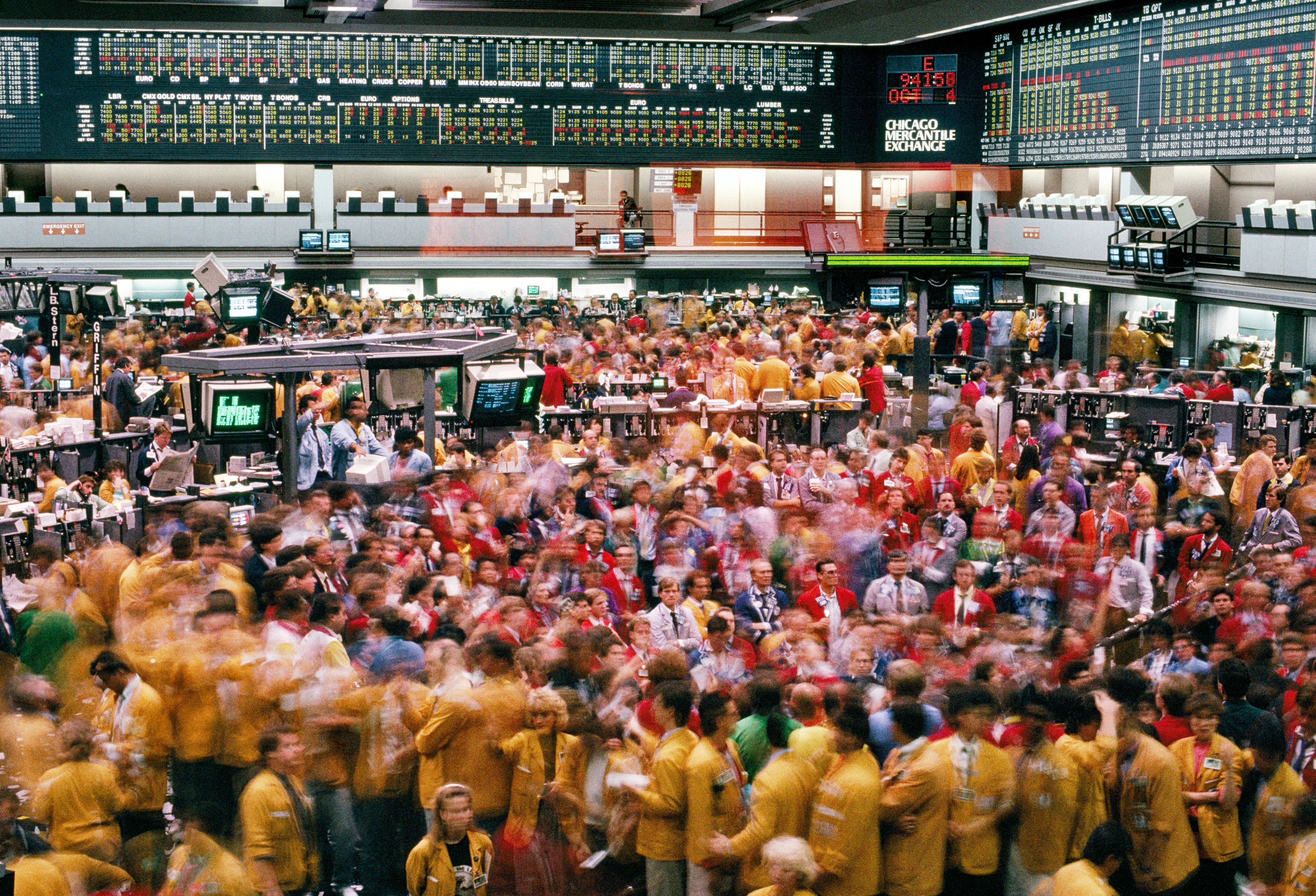
TotalView is a deep market data product provided by Nasdaq, covering quotes and order book information at various price levels, no longer just displaying the latest transaction price or limited price ranges. Pyth stated that this data will be distributed through its on-chain distribution layer to the Pyth Data Marketplace, making it available to on-chain applications and institutions.
Oracles are part of the crypto trading infrastructure, widely used for perpetual contracts, spot pricing, and tokenized asset quotes. This new addition isn't just a single price, but rather more complete order flow information. For on-chain markets, this addresses the limitations of the past, which only focused on price and lacked a clear understanding of the order book structure.
On-chain transaction visibility has been further improved.
Pyth believes that an information gap has long existed between traditional finance and DeFi. In the past, market data was typically distributed in layers by exchanges, institutions, and data providers, resulting in more fragmented data for end users and higher access costs.
After integrating with TotalView, the on-chain market can not only see price changes but also observe the distribution of buy and sell orders at different price levels. The article mentions that the relevant data also includes a net order imbalance indicator, which can be used to observe changes in buying and selling power before key time points.
- Covering price quotes and pending orders at all price levels
- Includes net order imbalance indicator
- Data is distributed through the Pyth Data Marketplace.
Solana tokenized stocks may benefit
The article states that trading volume of tokenized stocks on Solana has recently reached new highs, and the demand for more granular market data in on-chain markets is also increasing. For these types of assets, concentrated trading and price volatility are more likely to occur at opening, closing, and index adjustments.
The article uses Bloom Energy as an example, stating that the stock experienced significant fluctuations around the close due to passive fund rebalancing. If the on-chain market can only read the price result, it is difficult to reconstruct the process of fluctuation formation; if a complete order book can be accessed, traders will have a more comprehensive understanding of intraday liquidity and order imbalances.
Pyth describes this integration as a step toward bridging the information gap between traditional finance and on-chain markets. As more institutional data enters the on-chain distribution network, pricing transparency for tokenized stocks and related trading applications on Solana is likely to continue to improve.