Web3: Following the attack on the Wanchain cross-chain bridge, NIGHT token rebounded nearly 19% in 24 hours.
CoinDesk
07-22 19:56
Ai Focus
Following the attack on Wanchain's cross-chain bridge, NIGHT initially plummeted by 43% before rebounding by nearly 19%. Hoskinson stated that traditional bridge architectures expose long-standing security vulnerabilities.
Helpful
No.Help

Following a cross-chain bridge attack on Wanchain on Monday, the Midnight ecosystem token NIGHT plummeted and hit a new all-time low. As selling pressure eased, NIGHT rebounded nearly 19% in 24 hours, with its latest trading price around $0.022.

290 million NIGHT tokens stolen and sold off

The attack occurred on Wanchain's cross-chain channel connecting Binance and Cardano. Reports indicate that the attackers transferred approximately 290 million NIGHT tokens and subsequently sold them off, causing the token price to drop by about 43% at one point.

Bridging attacks have consistently been one of the most common and costly security problems in the crypto industry. Over the past few years, cross-chain bridging incidents such as Ronin, Wormhole, and Nomad have resulted in losses exceeding $1.5 billion, with attacks typically targeting bridging contracts or multisignature control structures.

  • Number of NIGHT tokens stolen: Approximately 290 million
  • Intraday decline: approximately 43%
  • 24-hour rebound: nearly 19%

Hoskinson criticizes traditional bridge architecture

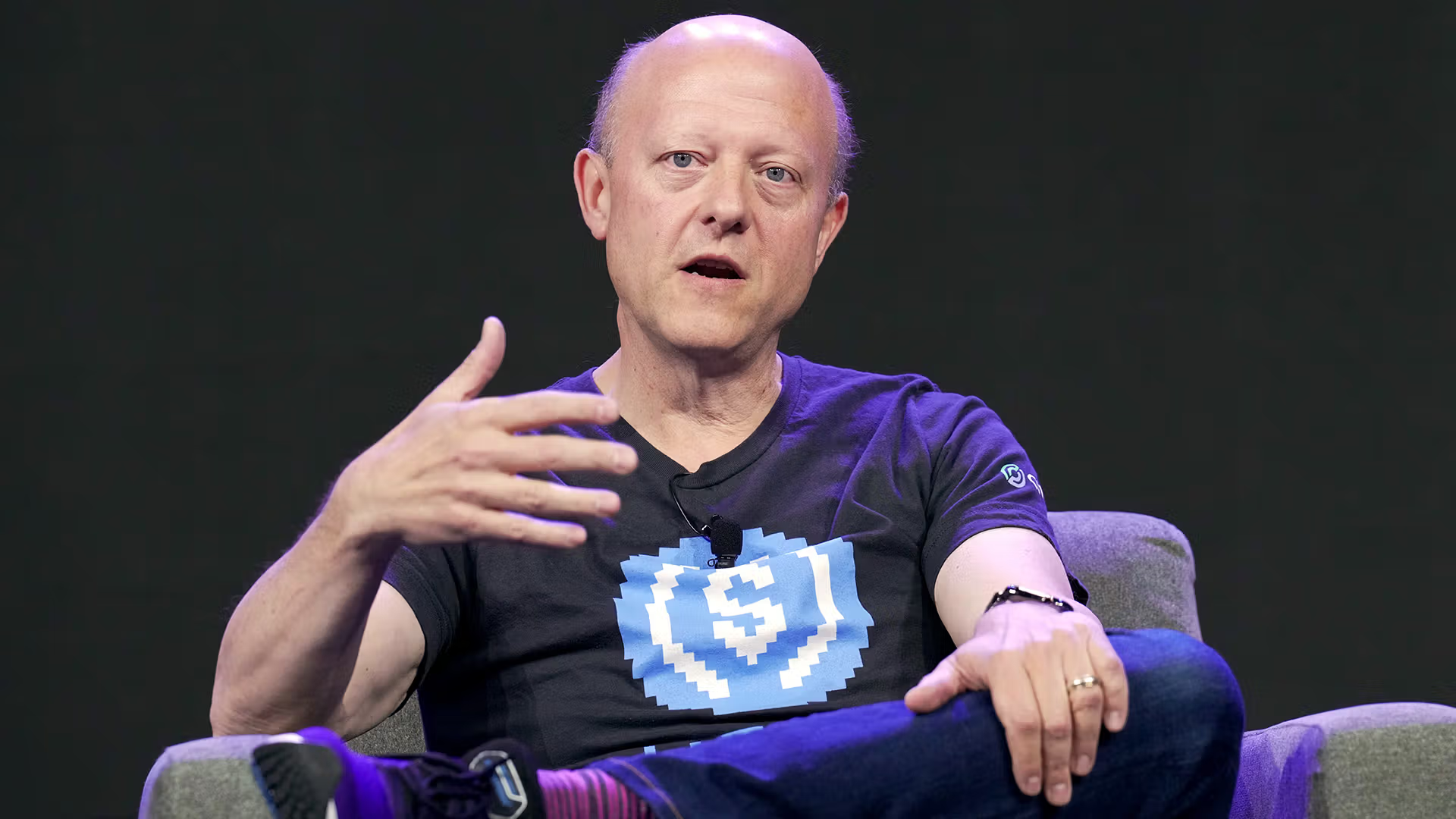
In an interview with CoinDesk, Cardano founder Charles Hoskinson stated that this incident exposed long-standing flaws in traditional cross-chain bridges. He attributed the problem to the legacy bridging architecture built by third parties, rather than the design of Midnight itself.

Hoskinson also stated that AI-driven vulnerability discovery is accelerating the rate at which software systems are exposed to risks, affecting not only the crypto industry. He believes that even systems with strong protection capabilities can still be breached under sustained attack.

Advocating the use of zero-knowledge proofs to replace trusted intermediaries

Hoskinson stated that zero-knowledge systems like Midnight aim to reduce reliance on bridge operators and multi-signature mechanisms, instead relying on cryptographic proofs for cross-chain verification. This is a security direction he reiterated in light of this incident.

From a market performance perspective, NIGHT has shown a significant recovery after its sharp drop, but this attack once again highlights that cross-chain infrastructure remains a high-risk area in the industry. For projects that rely on bridging liquidity, security design will continue to directly impact token prices and user confidence.

Tip
$0
Like
0
Save
1
Views 455
WalletJYS reminds readers to view blockchain rationally, stay aware of risks, and beware of virtual token issuance and speculation. All content on this site represents market information or related viewpoints only and does not constitute any form of investment advice. If you find sensitive content, please click“Report”,and we will handle it promptly。
Submit
Comment 0
Hot
Latest
No comments yet. Be the first!
Related
AMD Expected to See Rapid Revenue Growth in the Next Year
AI Server chip manufacturer Supermicro Semiconductor ( AMD ) stated that its revenue this quarter is expected to grow by about 66% year-on-year, and next year's revenue growth rate is expected to exceed 80%. The company also anticipates that the gross margin in the fourth quarter will increase slightly by 1 percentage point compared to the third quarter. After the announcement, the AMD stock price rose by more than 8% after the market closed.
The Block
·2026-11-04 18:56:03
1
Global stock markets fell first and then rose after the Democratic Party's big win; gold and silver strengthened. What is the market trading?
After the Democratic Party achieved a historic sweep in the U.S. midterms, global markets initially sold off risky assets, but then stabilized as a decentralized government and Trump's veto power meant a policy deadlock. U.S. Treasuries, gold, and clean energy sectors strengthened, while tech stocks came under pressure. Many strategists noted that election-related volatility is usually short-lived, and the more critical factors at the end of the year are still AI and geopolitics.
Wallstreetcn
·2026-11-04 18:56:02
0
Solana Co-founder Says Phishing and Social Engineering Attacks Are the Biggest Threats to Cryptocurrencies
Solana, co-founder with Anatoly Yakovenko, stated that phishing and social engineering attacks represent the greatest threats to cryptocurrencies, rather than AI or quantum computers cracking encryption security. He also recommended using independent iOS devices with Apple Lockdown Mode enabled, as well as multi-signature wallets. The article also mentioned recent security incidents involving Binance and the fraud and phishing activities disclosed by SEAL.
U.Today
·2026-11-04 18:48:01
2
OpenAI hopes to rename the AI data center as “AI Computing Power Park” and use it to “protect the power grid”.
OpenAI Launches "Power Grid Protector Program", Aims to Temporarily Reduce Electricity Usage of Future AI Facilities During Power Shortages, and Explors the Use of Batteries and On-Site Power Generation to Manage Demand. The Company is Also Pushing to Renumber Data Centers as "AI Computing Power Parks", Claiming That This Description Better Reflects Their Role in Computing, Energy Infrastructure, and Employment.
Decrypt
·2026-11-04 18:48:00
2
AMD US stocks surge nearly 8% before the opening: Data center revenue nearly doubles, fourth-quarter revenue guidance exceeds expectations
On November 4th, AMD's stock price rose nearly 8% before the market opened, following the release of third-quarter earnings and fourth-quarter revenue forecasts that exceeded market expectations. The company's third-quarter revenue increased by 45% year-on-year to $13.38 billion, with an adjusted earnings per share of $2.09; among this, data center business revenue nearly doubled to a record $8.55 billion.
The Block
·2026-11-04 18:37:38
8
View More