

A preliminary study by the Cambridge Centre for Alternative Finance shows that the annualized electricity demand for Bitcoin mining will rise to approximately 190 terawatt-hours by December 2025, a 38% increase from 138 terawatt-hours in June 2024. Meanwhile, hydropower has surpassed natural gas to become the largest single source of electricity for mining, and the energy structure of the mining industry continues to shift towards a low-carbon model.
The proportion of low-carbon electricity rose to 59.4%.
This data was disclosed by Alexander Neumueller, a researcher at the Cambridge Centre for Alternative Finance, at an energy investment forum in Dallas. Cambridge expects to release the second edition of its "Digital Mining Industry Report" later in 2026.
Preliminary results show that low-carbon electricity now accounts for 59.4% of the electricity consumption of surveyed miners, up from 52.4% in the previous study. However, despite cleaner electricity sources, total greenhouse gas emissions are still rising.
- Annualized electricity demand: approximately 190 terawatt-hours
- Increase compared to June 2024: 38%
- Low-carbon electricity share: 59.4%
A previous Cambridge report in 2025 showed that natural gas was the largest single source of electricity, accounting for 38.2% of the electricity used by surveyed miners. At that time, renewable energy accounted for 42.6% in total, nuclear power accounted for 9.8%, and coal power accounted for 8.9%, significantly lower than the 36.6% estimated in 2022.
This initial update changed the ranking. Cambridge has not yet released the complete breakdown of energy sources, but researchers noted that the expanded sample coverage of hydropower-rich markets like Ethiopia may have contributed to the increased share of hydropower. In recent years, these markets have relied on the low-cost electricity from the Grand Ethiopian Renaissance Dam for Bitcoin mining.
Electricity consumption is growing faster than emissions.
Research shows that between the two statistical points in time, the annualized electricity demand of the Bitcoin network increased by approximately 52 terawatt-hours. Here, "annualized" refers to the annual electricity consumption if the operating level in December 2025 were maintained for a full year; it is not equivalent to the actual total electricity consumption for the entire calendar year of 2025.
Emissions growth lagged behind electricity consumption growth because miners reported a lower-carbon electricity mix. However, total emissions still increased from approximately 40 million tonnes of CO2 equivalent to 48 million tonnes, an increase of about 20%. This means that while a cleaner energy mix slowed emissions growth, it did not offset the overall increase in electricity consumption.
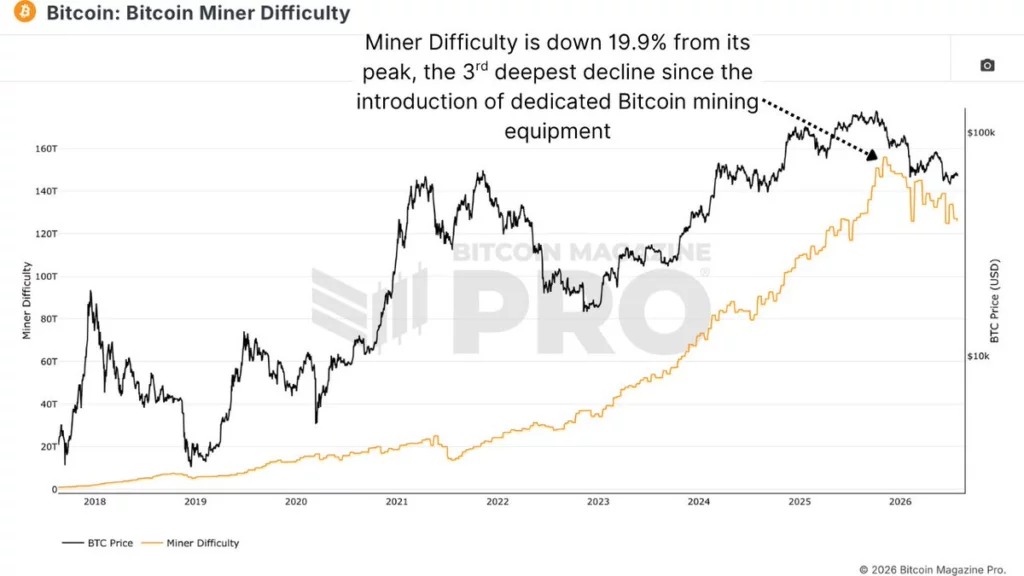
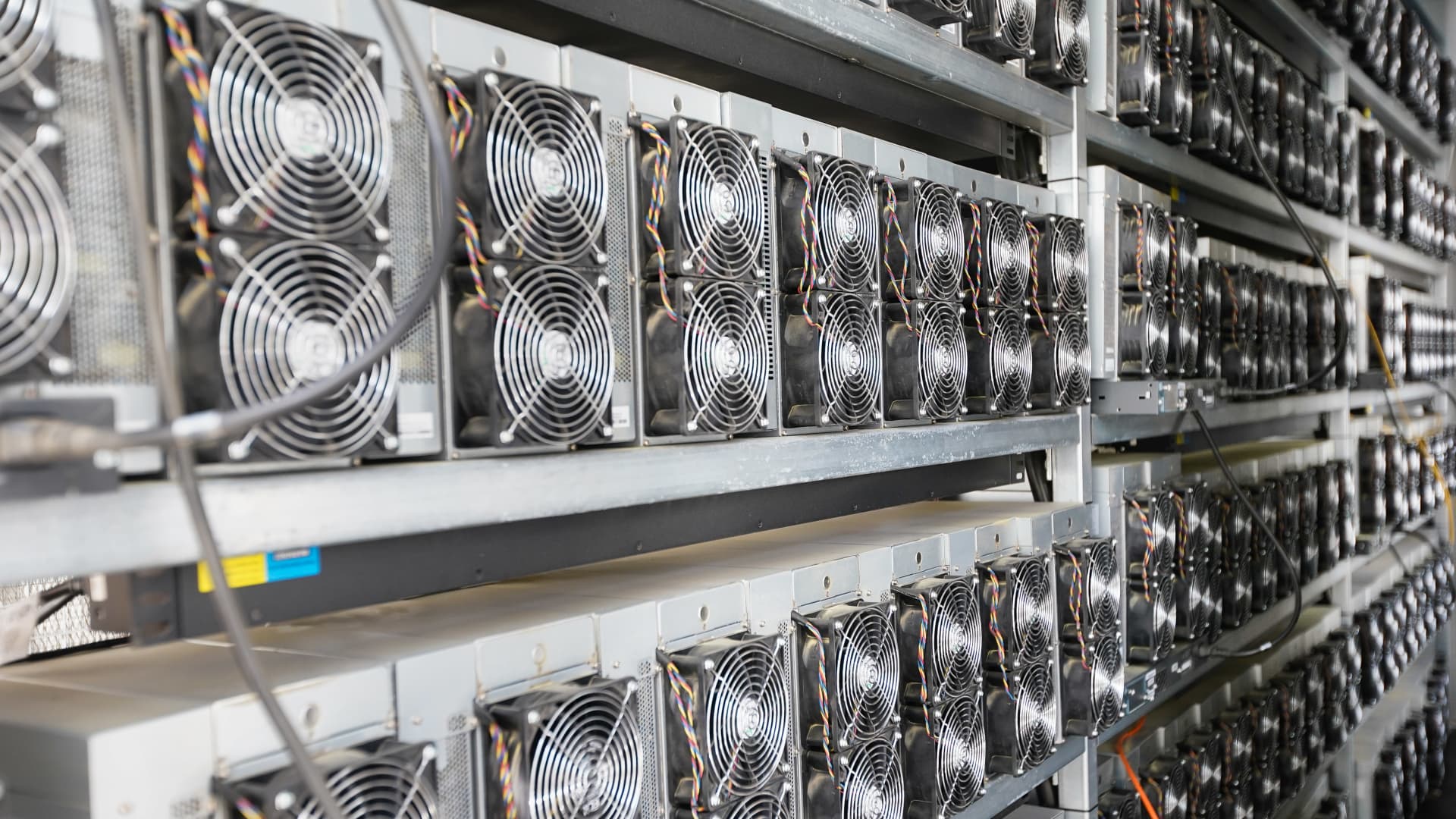
The study also noted that more mining rigs were connected to the network during the statistical period, driving a continued increase in the overall network computing power. Although the new generation of equipment has stronger computing power per unit of power consumption, the efficiency improvement is still insufficient to fully cover the increased power demand brought about by the growth in computing power.
Mining companies evaluate AI and HPC businesses
The survey also focused on whether mining companies are redirecting some of their power capacity to artificial intelligence and high-performance computing. Approximately 10% of respondents indicated they have already allocated some power to AI or accelerated computing services; among the remaining respondents, over 40% said they are actively evaluating this direction.
Researchers point out that evaluation does not equate to implementation. AI data centers typically require more expensive network, cooling, and stability systems, conditions that not all Bitcoin mining farms already possess. Unlike mining loads, which can be quickly reduced when electricity prices rise, AI customers generally demand more stable power supplies and stronger service guarantees.
However, nearly 90% of respondents expect AI and HPC-related businesses to continue to grow in the coming years. Some listed mining companies have already begun seeking more stable revenue streams through these businesses. The report mentions that TeraWulf's revenue from HPC hosting exceeded its Bitcoin mining revenue in the first quarter of 2026.
Overall, the latest preliminary research reflects two simultaneous trends: first, total electricity consumption for Bitcoin mining continues to expand; and second, the share of hydropower and other low-carbon energy sources in the electricity mix continues to increase. As mining companies seek AI-related revenue, the redistribution of electricity resources and infrastructure will be a significant shift in the industry's next phase.