

The Bitcoin options market has noticeably calmed ahead of the Federal Reserve's interest rate meeting. Data shows that traders have been consistently reducing downside protection positions over the past month, and the hedging premium for short-term put options has also fallen significantly, reflecting a general market expectation of limited volatility this week.
The put/call ratio fell.
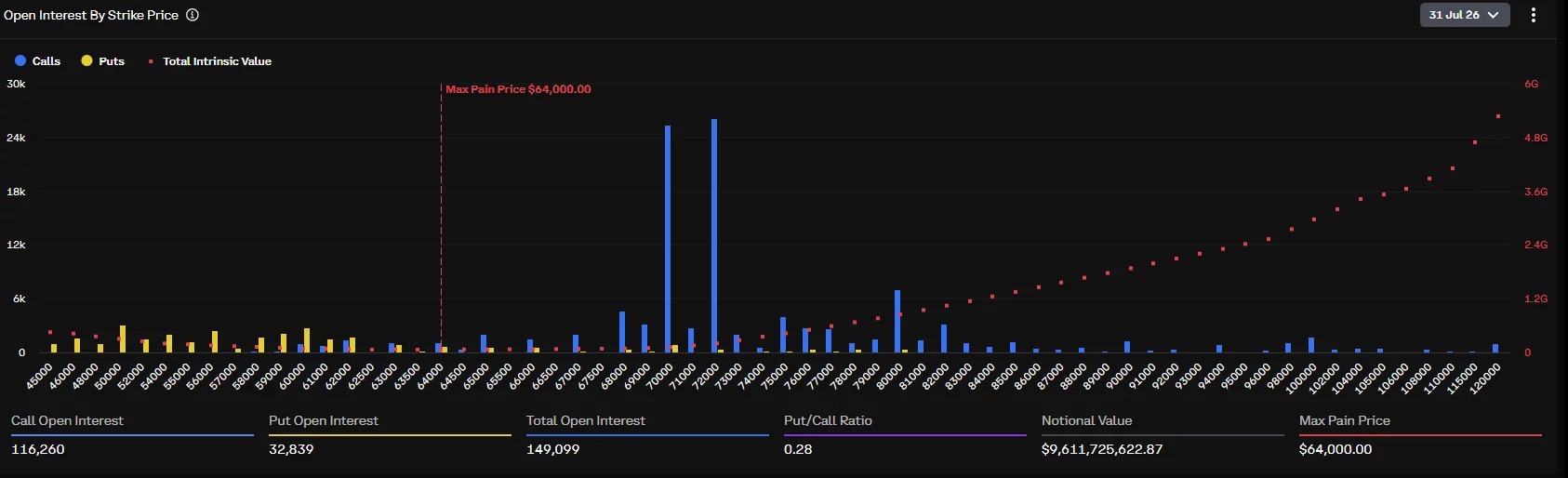
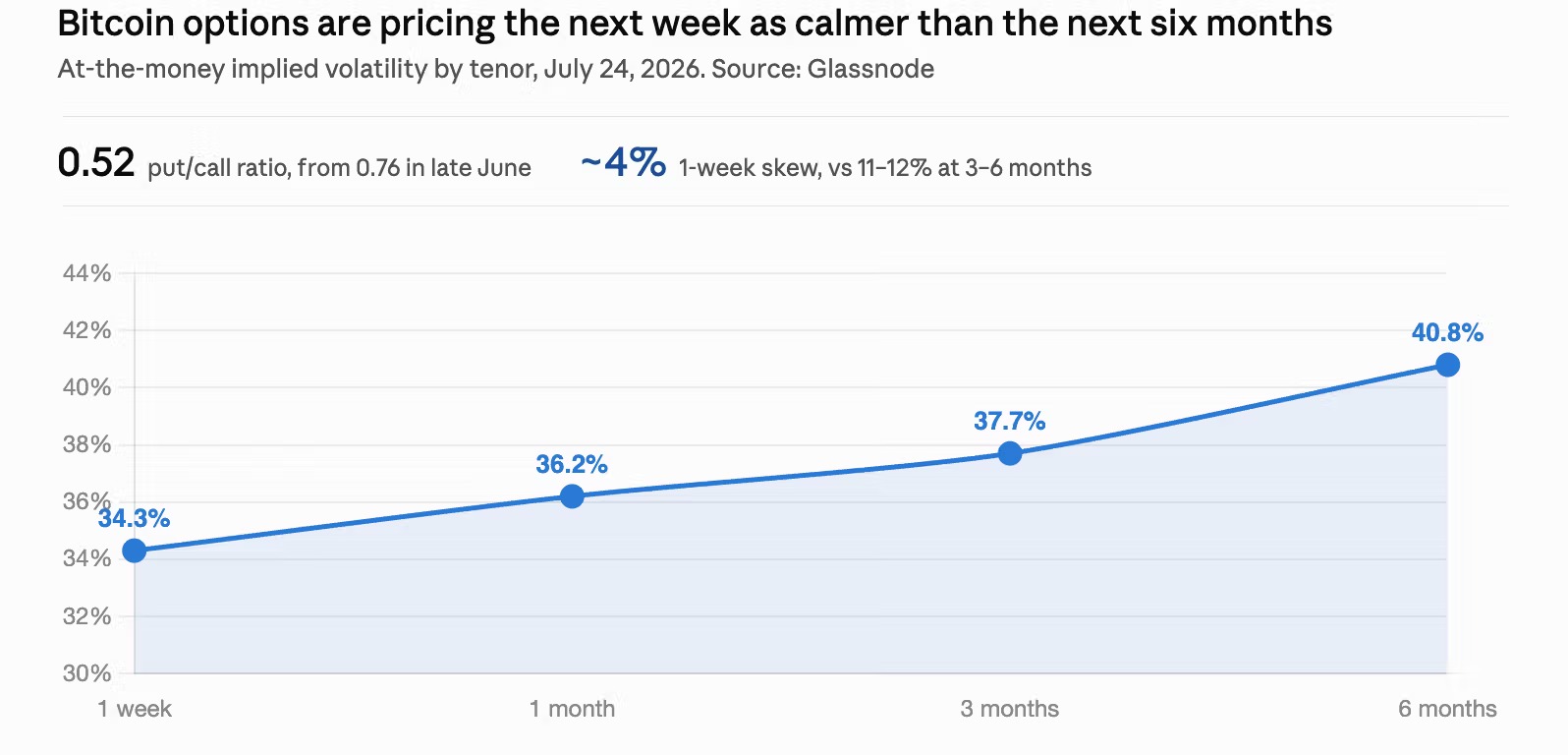
Glassnode data shows that the put/call ratio, calculated based on open interest, has decreased from approximately 0.76 at the end of June to approximately 0.52. This indicator is typically used to gauge the strength of market demand for downside protection. A decrease in the value means that investors are holding relatively less put protection.
Meanwhile, pricing for downside protection in short-term options is also declining. The 25-delta skew, which measures the premium for put protection, has fallen to around 4% for one-week options, while three-month and six-month options remain in the 11% to 12% range.
Short-term volatility remains low
Implied volatility also shows a similar signal. The implied volatility for a one-week term is approximately 34.3%, and for a six-month term it is approximately 40.8%. The overall term structure is shifting towards the longer term, indicating that the market perceives the current week as relatively calm, while uncertainty remains for longer terms.
- A 25-delta skew per week is approximately 4%.
- Skew rates are approximately 11% to 12% over three to six months.
- One-week implied volatility is approximately 34.3%.
Markets bet the interest rate decision week will end smoothly.
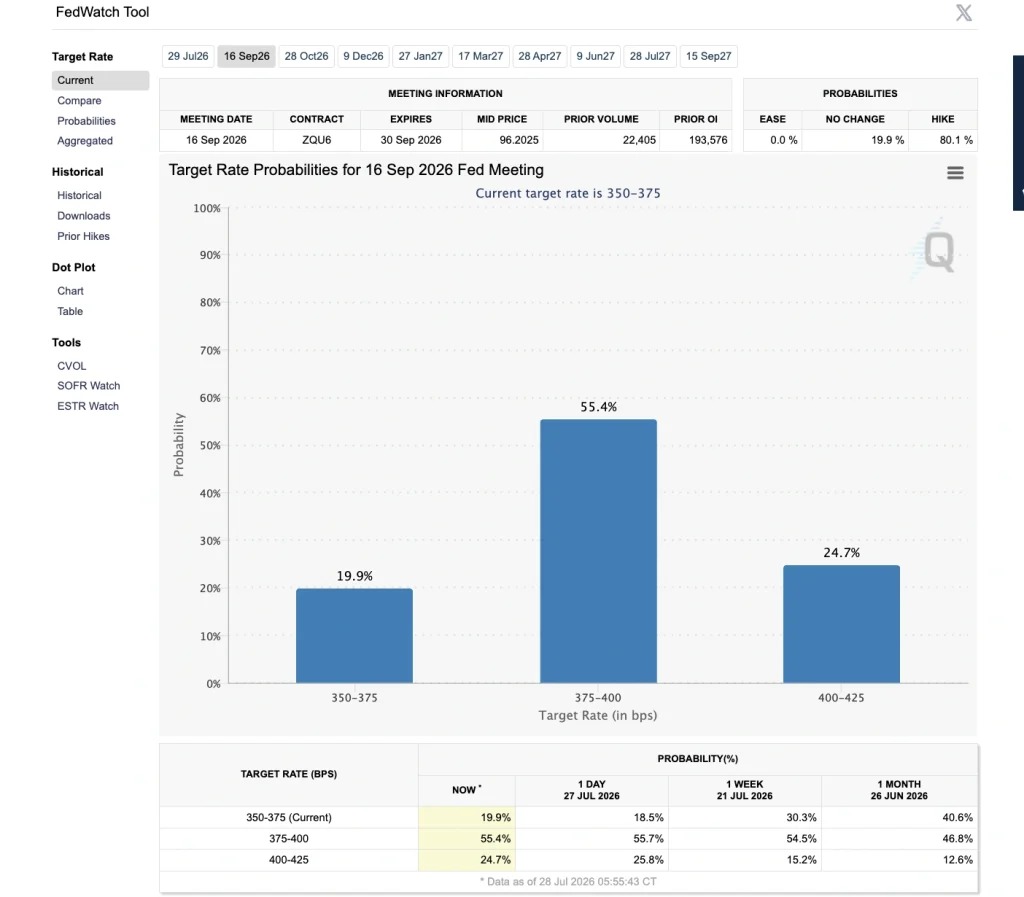
The Federal Reserve's interest rate decision will be announced on Wednesday. Currently, the market is pricing in only about a 15% chance of a July rate hike, a key factor contributing to the cooling of short-term safe-haven demand. Based on this baseline scenario, the options market's underpricing of this week's volatility has some basis.
However, this positioning structure also implies limited buffer space. If the Fed's statement or economic forecasts exceed market expectations, the current thin protective positions may amplify price volatility rather than absorb the shock.

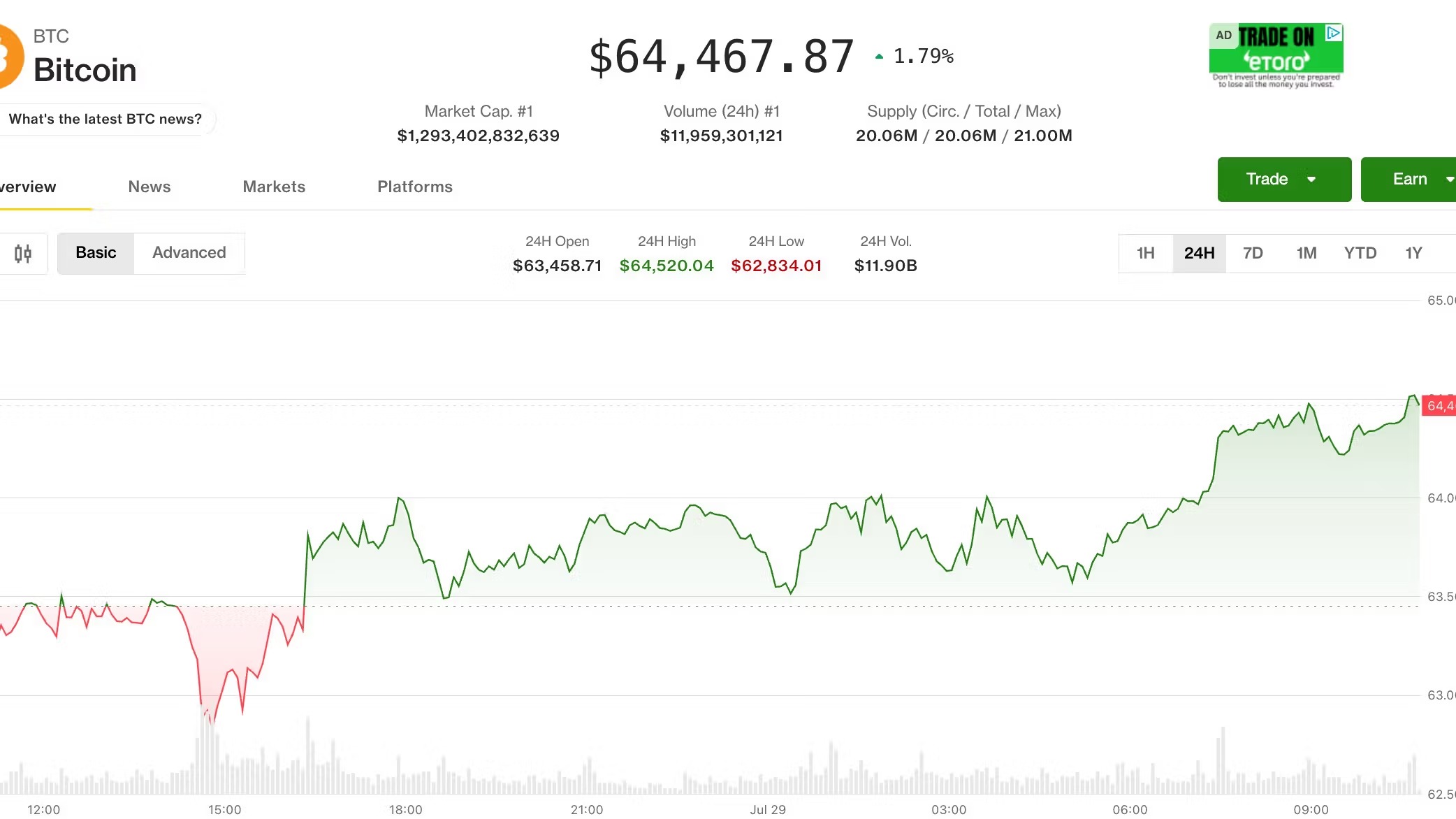
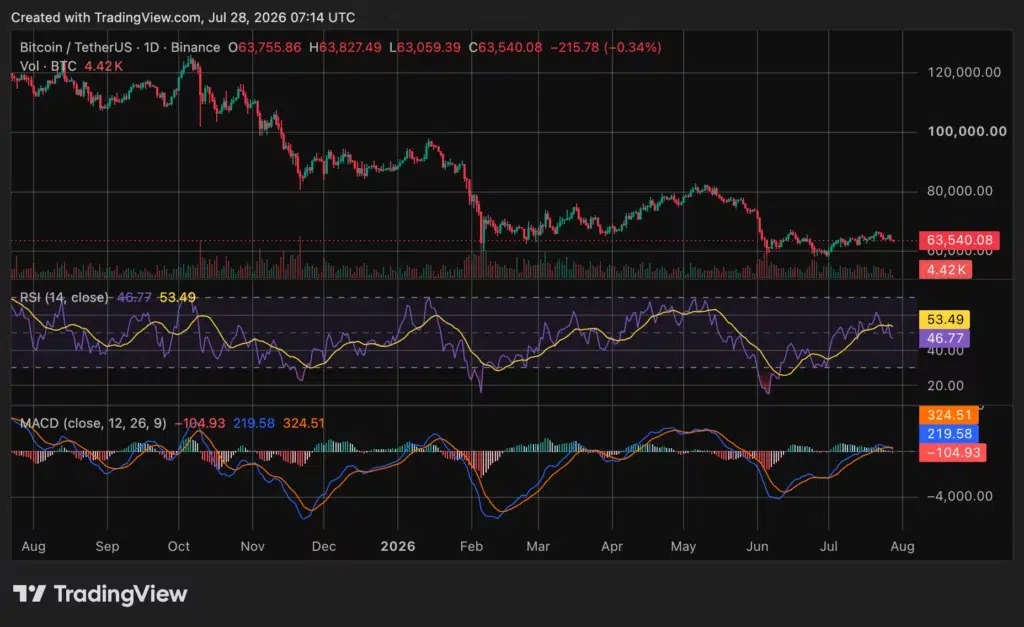
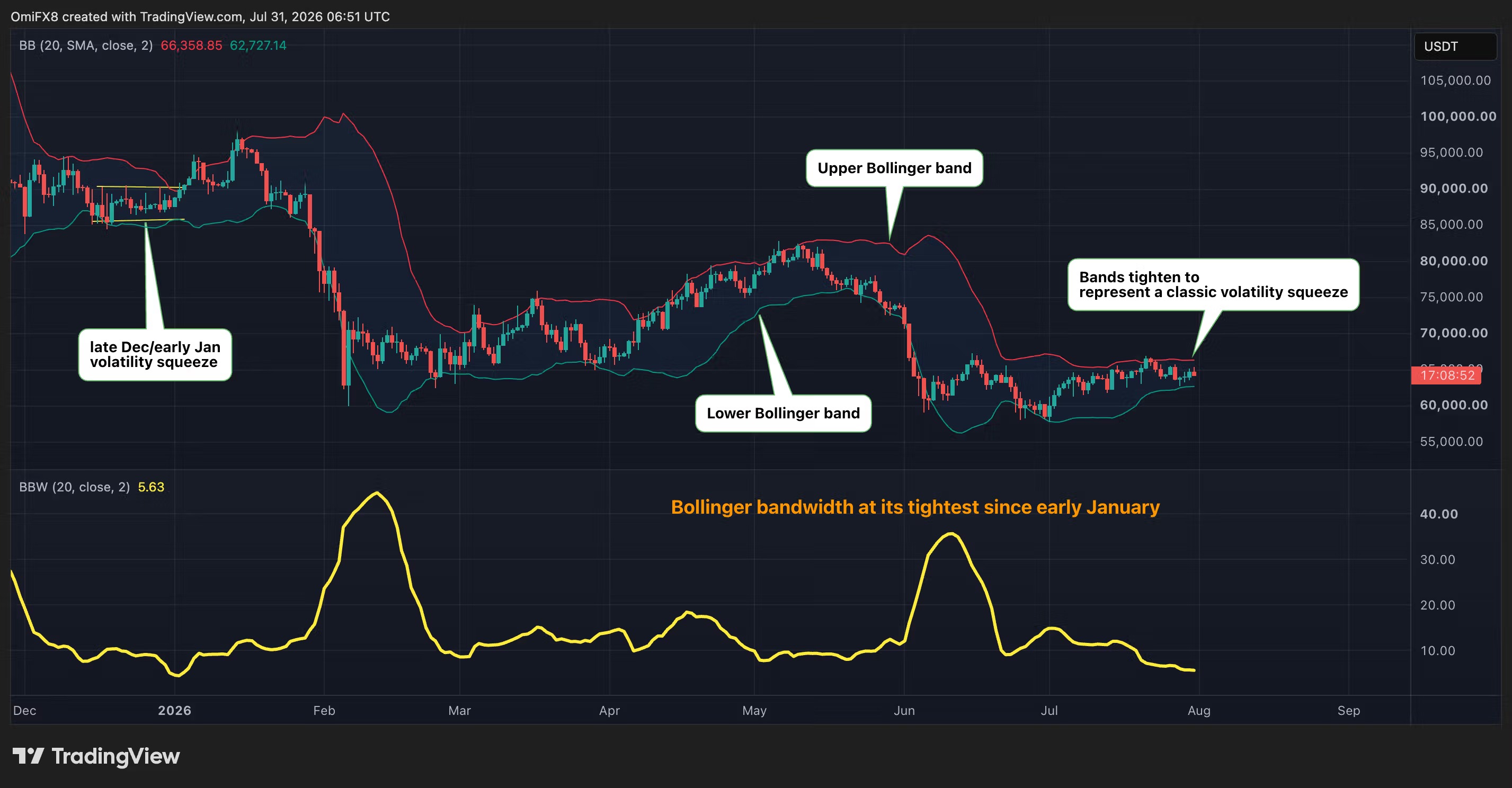
In the spot market, Bitcoin remained around $65,000 for most of last week. Even with a significant sell-off in major US tech stocks and a series of bankruptcies and platform downsizing in the crypto industry, Bitcoin's price remained relatively stable overall.