

The U.S. Securities and Exchange Commission (SEC) recently proposed a public fundraising framework for crypto projects, which would allow issuers to raise up to $75 million per year from the public through an extended version of Regulation A without completing a full securities registration process. Foreign media commentators believe that this approach is closer to traditional compliance pathways, but since its introduction is somewhat late, it may struggle to cover the main financing methods currently used in the crypto market.
The proposal requires a close approximation to a public offering.
According to the proposal, the project party is required to submit a document named Form1-A to SEC, disclosing the business plan, team background, purpose of fundraising, token rights, and risk factors, as well as providing audited financial statements. After approval, the issuer is also required to continue to disclose semi-annual updates and significant events, and after two consecutive years of compliance, they will transition into a full registration system.
The proposal also requires the disclosure of risk information related to tokens, such as smart contract audits and wallet custody. In principle, secondary transactions can be conducted on registered alternative trading systems, but currently, this licensing approach is not widely adopted by mainstream cryptocurrency trading platforms.
The review cycle struggles to keep up with the market pace.
Foreign media believes that the issue with Reg A + is not just about compliance costs, but also about time. Traditional Reg A + audits usually take 3 to 6 months, and since the narrative and liquidity in the crypto market change rapidly, projects often cannot afford such long waiting periods.
The article reviews that during the peak period of token issuance from 2017 to 2018, projects raised over $20 billion through white papers and Ethereum contracts. Since then, SEC has mainly intervened in the market through law enforcement rather than by establishing rules in advance. Comments suggest that by the time the draft rules were introduced, the financing structure of the industry had already changed significantly.
Airdrops and Launchpad have become the mainstream.
The article states that in 2026, the way capital is formed for crypto projects no longer relies primarily on traditional token sales to the public. Platforms such as Pump.fun and Four.Meme within the Solana ecosystem allow users to issue tokens and start trading within minutes, with funds quickly entering the market through on-chain mechanisms.
At the same time, airdrops and point-based incentive programs have also become common methods for launching new projects. The article cites examples such as Hyperliquid, Blur, Eigen, Ethena, Jupiter, and other projects that have distributed tokens through user behavior incentives. This model is more akin to distribution rather than direct sales, and therefore does not fall under the core regulatory scope of this proposal.
Private placement channels are still undertaking large-scale financing.
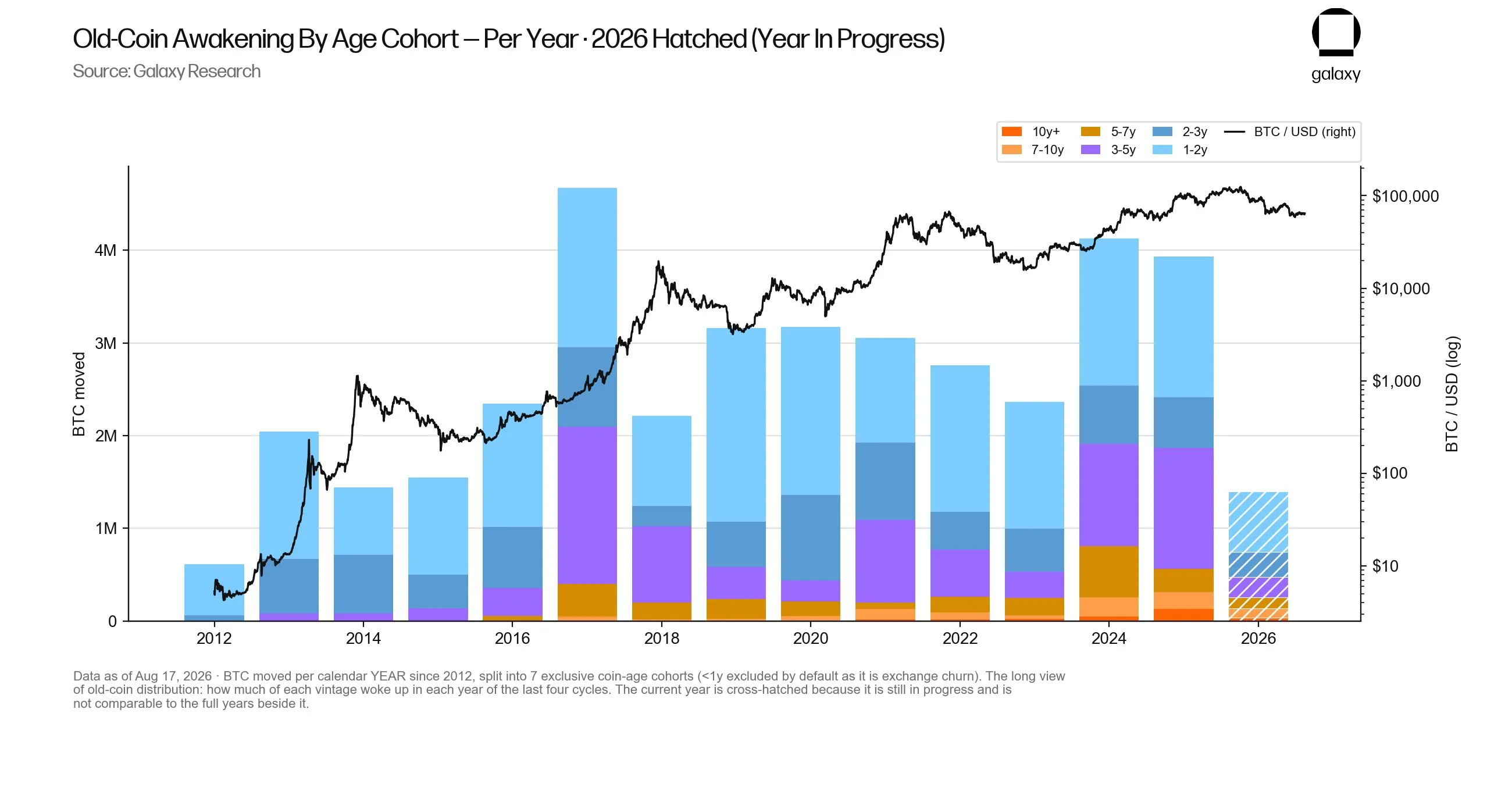
In addition to public offerings, infrastructure projects still commonly raise funds through private placements using the SAFT protocol and the Reg D method, which are targeted at qualified investors. According to data cited in the article from Galaxy Research, crypto-related investment and financing amounted to approximately 13.7 billion US dollars in 2025, and the scale is expected to be close to this level in 2026 as well. Comments suggest that for such projects, the new public fundraising pathways do not offer a significant enough advantage in terms of efficiency.
The core judgment of the commentary is that this proposal is not unfeasible in terms of institutional design, but it is mainly suitable for a minority of projects that are willing to undertake auditing, continuous disclosure, and a longer review cycle. For the current mainstream crypto market, which relies on on-chain issuance, airdrop distribution, and private financing, its actual impact may be limited.