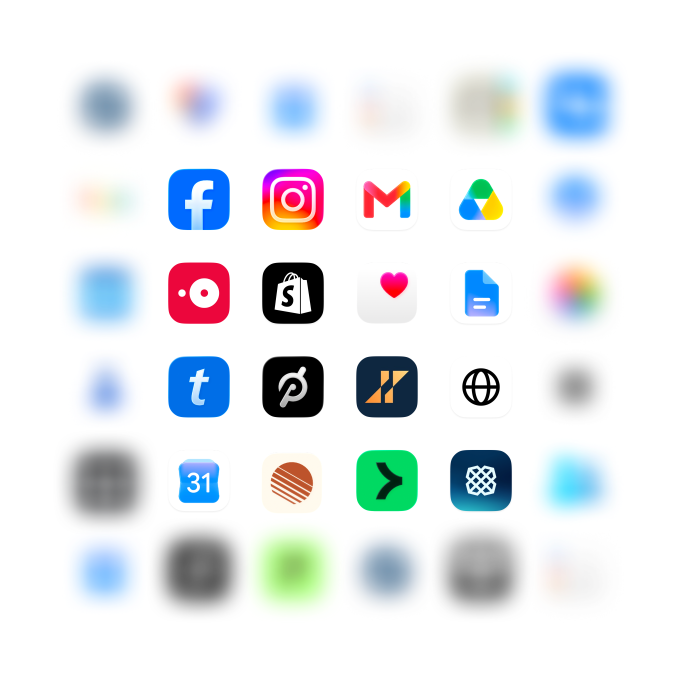






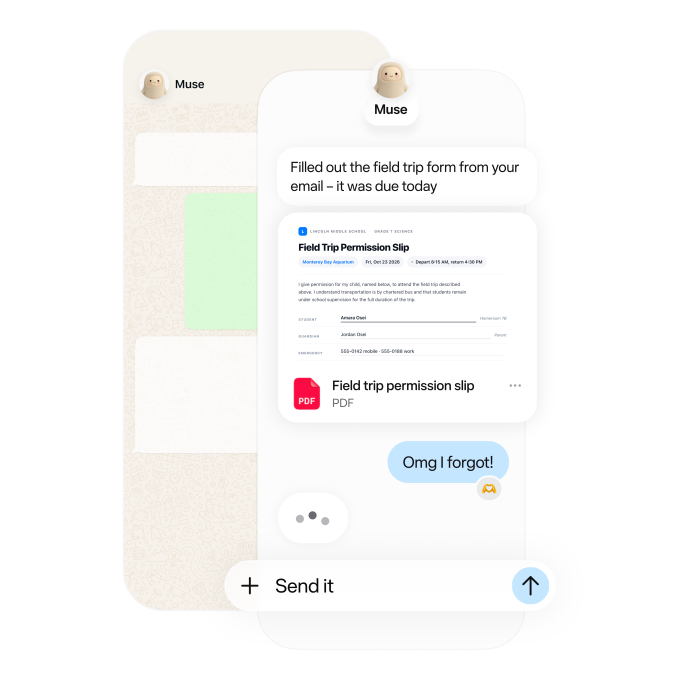
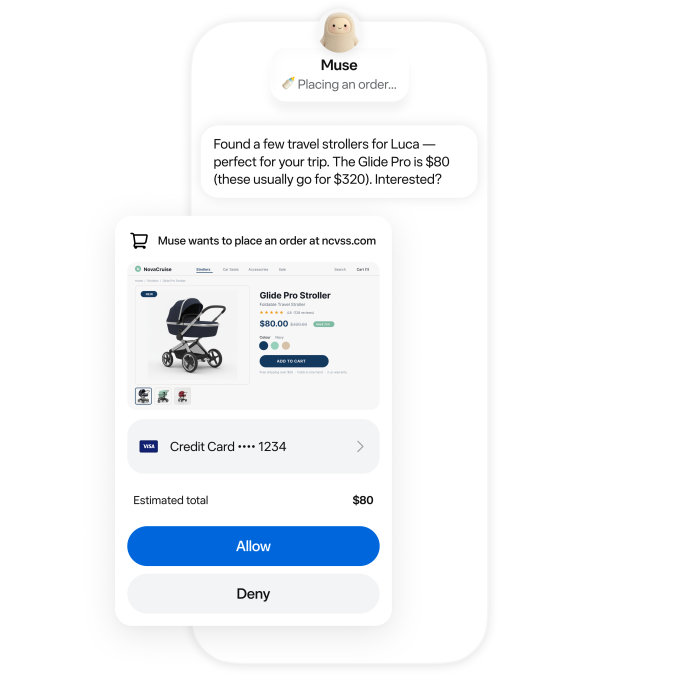
Meta launches the AI intelligent agent, aiming to elevate AI from a conversational tool to a task management tool. It can integrate with common services such as email, calendar, payment, and shopping, assisting users in completing daily tasks like booking tickets, filling out forms, sending emails, and placing orders.
The first batch to be integrated with the web page is WhatsApp.
The first batch will be launched through web pages, iOS, Android, and WhatsApp chat interfaces. Subsequently, it will also be extended to the AI glasses on Meta. Meta indicates that users can select the applications and services they want to connect to one by one, rather than having all permissions granted at once.
Muse is driven by the Muse Spark model developed in-house by Meta, and it comes with a variety of service connectors built-in. If the target service provides a public API, users can establish a connection using credentials; if not, Muse also allows access to the relevant services through a browser.
- Send emails and schedule appointments
- Book a trip and fill out the form
- Organize recipe videos into a shopping list
In the payment process, Muse uses Stripe's Link to complete the checkout. Meta believes that such a purchase protection mechanism helps to reduce users' concerns about having AI make payments on their behalf. The integration of Shop Pay from Shopify with 1Password is also in the planning stage.
Free to get started, with two subscription tiers available.
Muse adopts a free plus subscription model. Meta indicates that most users are expected to stay at the free tier, but as usage increases, the system will prompt users to upgrade to a paid plan; therefore, it is necessary to bind a payment card during registration.
- Power: $20 per month
- Maximum: $100 per month
Both services offer a higher task execution quota. The progress of usage is also displayed within the application, and users are reminded as they approach the payment threshold.
Privacy records affect market acceptance.
Like most AI intelligents, Muse can continue to execute tasks after the user leaves the application. Meta also states that the system will gradually learn the user's preferences through conversations and proactively offer suggestions. This means that the product needs to access more personal information, which also makes privacy issues more sensitive.
Meta indicates that Muse runs in an independent secure virtual machine environment, has its own dedicated browser, and is equipped with an independent proxy named Sentinel to provide additional privacy and security protection. However, these technical claims still need further verification by external security researchers.
The bigger question is whether users are willing to hand over sensitive data to Meta again. Reports mention that Meta has been involved in several privacy controversies in the past, including settlements with the US Federal Trade Commission, data processing disputes, and multiple lawsuits surrounding the protection of minors. These historical records may affect the market acceptance of Muse.
Meta also attempts to alleviate concerns through product design. Users can customize the name, avatar, and communication methods for Muse, enhancing a personal connection with the intelligent entity. For Meta, this is not just the release of a new product; it is also a test of user trust before AI intelligent entities become part of daily life.