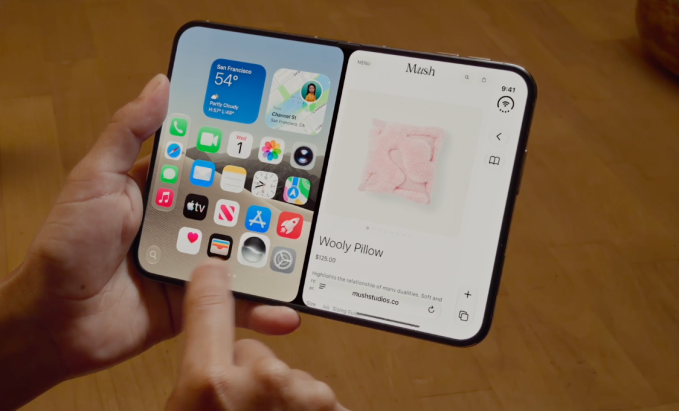







After Apple's first foldable phone, Duo, was officially unveiled, one of the main points of attention from the public was its hinge structure. Apple stated that this key component incorporated AI algorithms and 3D printing technology during the design and manufacturing process, with the goal of improving the common issues of wear and durability associated with foldable devices.
Foldable phones have been in the spotlight of the market in recent years, but durability has always been a major weakness. Since these devices need to be opened and closed repeatedly, they typically suffer more mechanical wear and tear than traditional smartphones, making them more prone to structural aging and alignment issues over long-term use.
Hinge assembly introduces AI matching
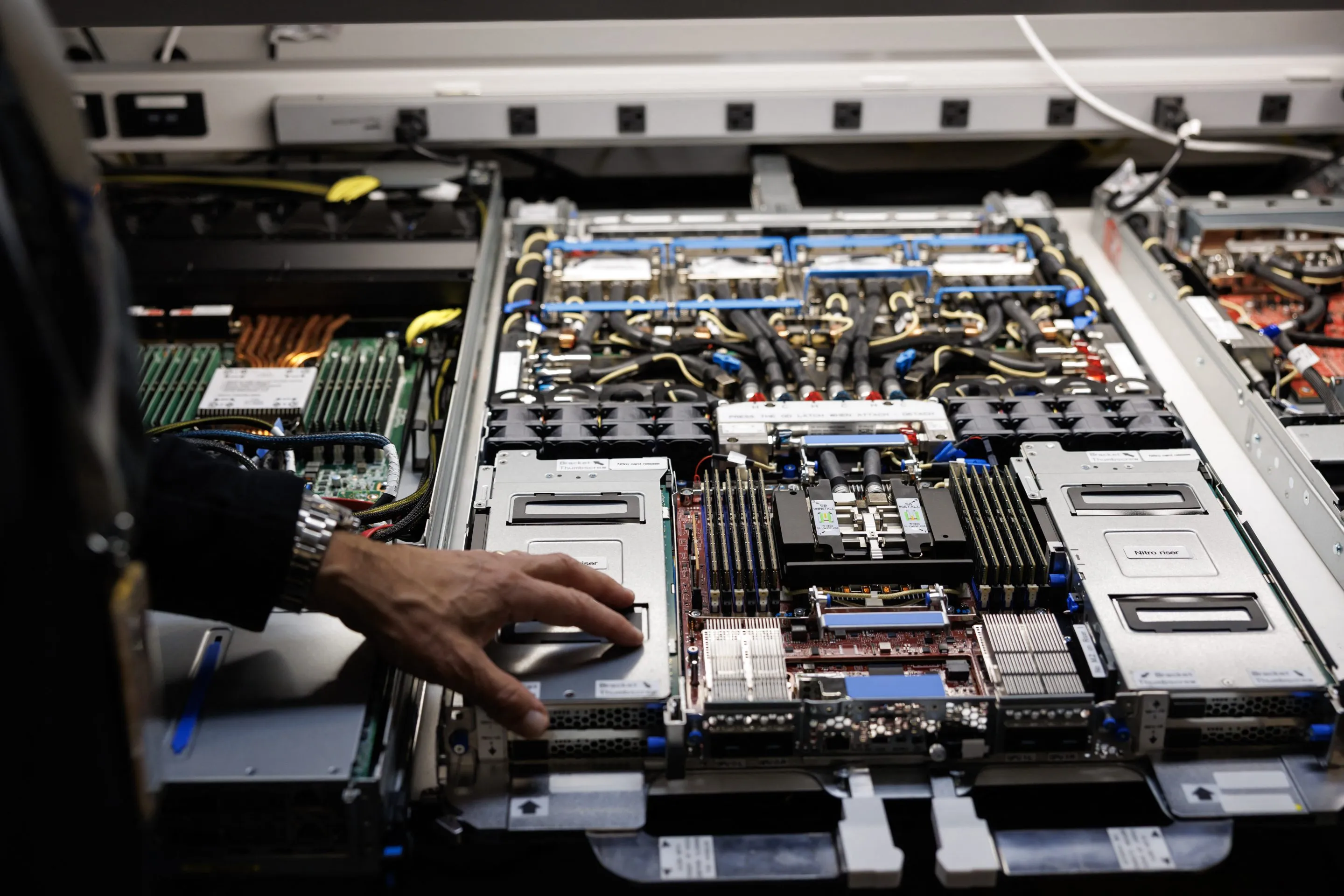
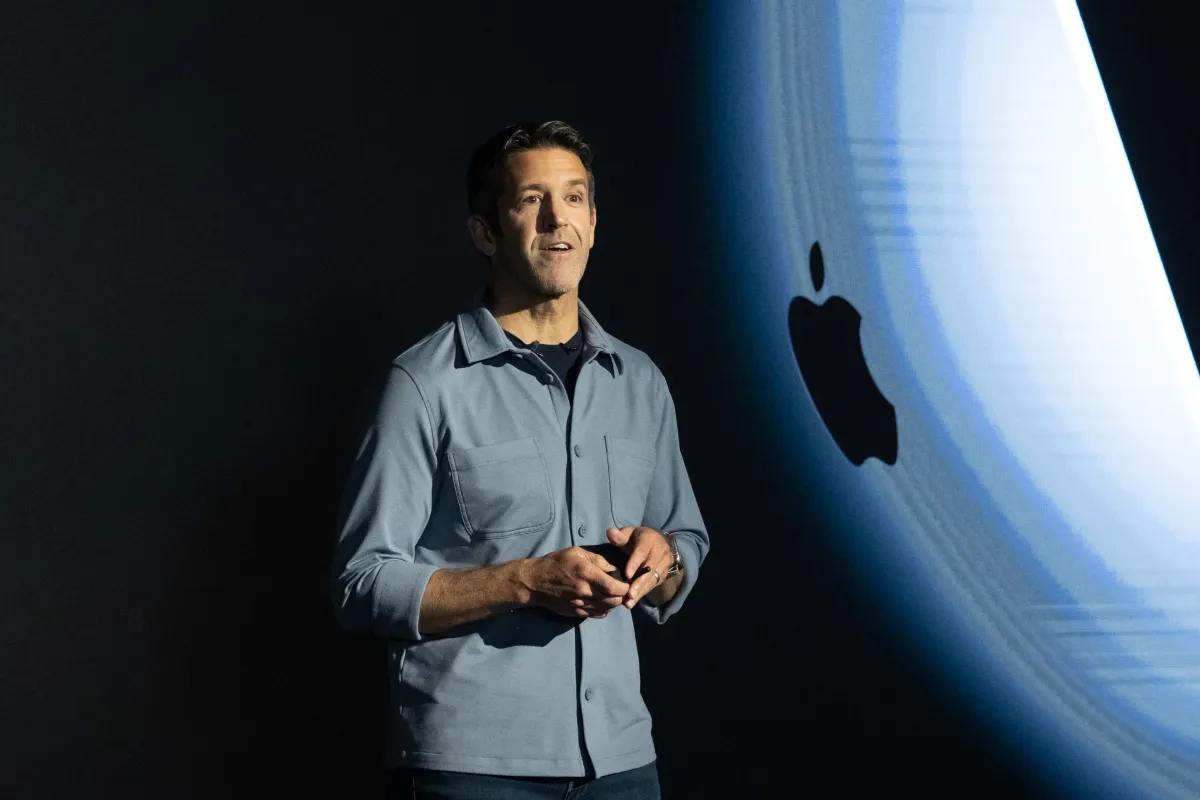
Apple's hardware head, Johny Srouji, stated at a launch event that the AI algorithm is used in the manufacturing process to match the most suitable shell components for each individual hinge, in order to improve the alignment accuracy during assembly. According to Apple, this approach is designed to ensure a more stable and consistent fit between the hinge and the body of the device.
Laser scanning combined with micro-layer printing
In addition to algorithmic matching, Apple also mentioned that they will use a confocal laser to scan the surface of each device individually, and then apply up to 25 layers of custom photopolymerization material through 3D printing to eliminate any remaining ripples. Apple believes that this will help further optimize the flatness and fit of the hinge area.
Entering the foldable phone market for the first time
Duo marks Apple's first entry into the foldable phone category. Over the past few years, although this market has continuously attracted consumer attention, the product form factor and durability have not been stable. By focusing on improvements to the hinge this time, Apple appears to be attempting to address long-standing concerns of the market regarding structural lifespan and user experience.
Additional information:The information disclosed by Apple so far mainly focuses on manufacturing methods and structural protection strategies, and no more data regarding long-term use has been released yet.