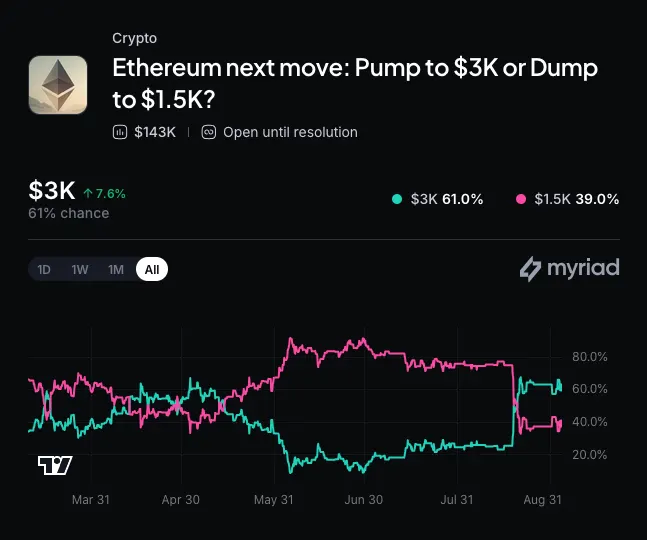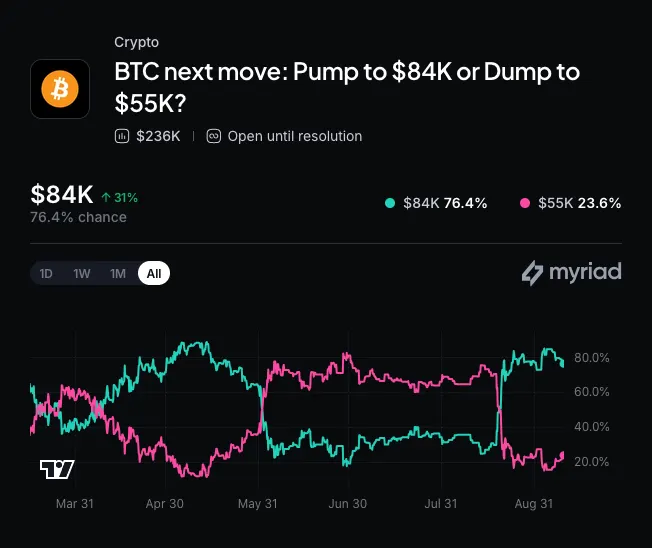





Foreign media reports that the U.S. Senate plans to hold a vote on advancing CLARITY Act on September 15, which coincides with a significant rebound in the crypto market since the end of June. The article suggests that expectations regarding the U.S. digital asset regulatory framework may become an important factor affecting market sentiment in September.
The market has already rebounded.
According to the data in the article, the total market value of the overall encryption market has risen from $2.01 trillion at the end of June to $2.61 trillion at the beginning of September. Based on this, the article concludes that there has been a round of recovery in the market before the official vote, indicating that funds are already reflecting policy expectations in advance.
The article mentions that if the voting results lead to a clearer regulatory outlook and further boost demand, there is a chance for the overall market value to continue to rise. On the contrary, if the policy stimulus does not translate into additional buying, the recent upward trend may slow down or even see a decline.
Focus on advancing the regulatory framework
The article cites the view of Grayscale that regardless of the voting outcome, discussions on crypto regulation in the United States continue to advance, and the scope involved is not limited to a single bill.
- Stablecoin Regulatory Framework
- Token Issuance Related Rules
- Tokenized Securities Arrangements and Perpetual Derivatives
The article also mentions that platforms such as Kalshi, Coinbase, and potentially Hyperliquid may all be brought under a clearer regulatory framework in the future. This implies that the policy impact is not limited to spot trading but could also extend to derivatives and on-chain trading platforms.
Foreign media say market divisions still exist
The article argues that if legislation progresses, funding needs are met, and market momentum improves simultaneously, there is still room for the overall cryptocurrency market to continue to expand. However, this qualitative assessment is more of a scenario-based deduction and not a result that has already occurred.
Another scenario is that if the Senate vote does not bring about a new risk appetite, selling pressure may once again prevail, and the overall market value could fall back to around $2.15 trillion, or even test the $2.01 trillion range again.
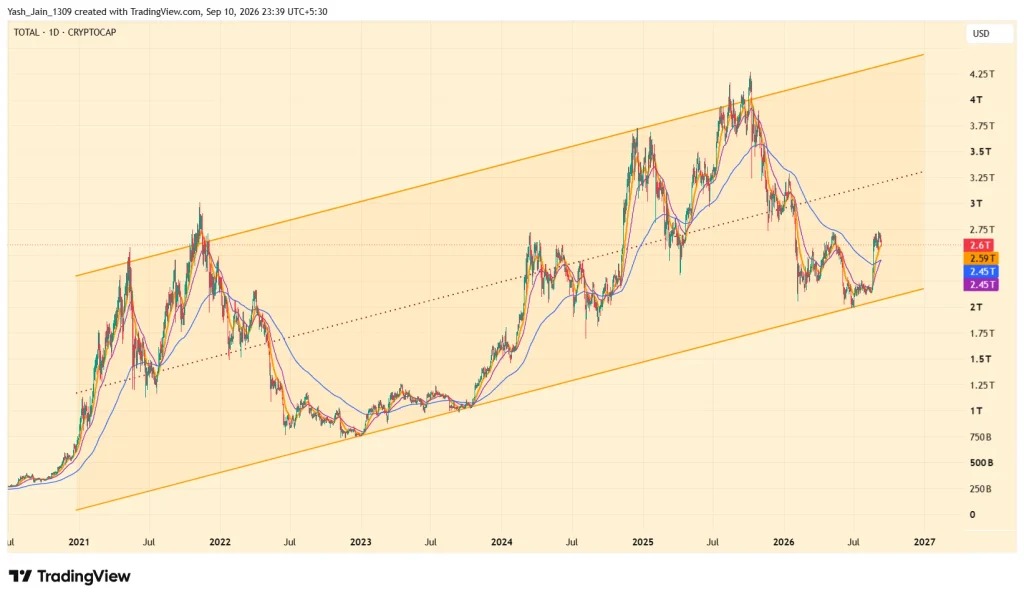
From the framework presented in the article, the key point in September is not just the vote itself, but whether policy expectations can truly be translated into sustained capital inflows. For the market, whether regulatory progress is synchronized with changes in demand remains the most noteworthy aspect to observe in the coming period.