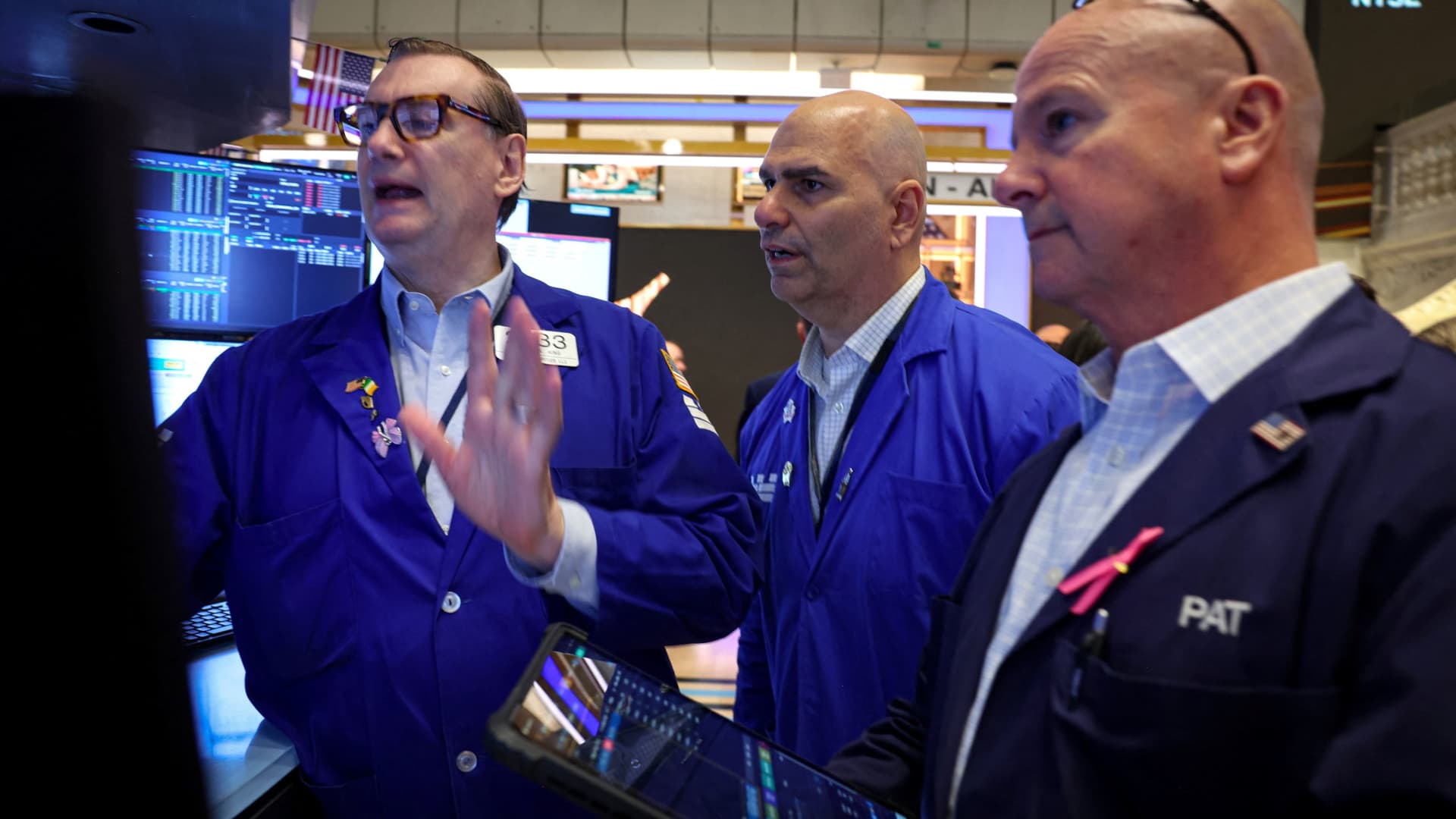






Discussions surrounding the rapid pace of artificial intelligence development quickly spread to U.S. stock trading on Monday. The market is concerned that if the development pace of cutting-edge models slows down, the growth expectations for sectors such as chips, servers, and data centers, which have benefited from AI investment expansion over the past two years, may be affected.
After Amodei made its move, the market re-evaluated the AI chain.
The fuse for this round of fluctuations came from an article published over the weekend by Dario Amodei, the CEO of Anthropic. He suggested that AI should slow down the pace of improving its model capabilities. Sam Altman, the CEO of OpenAI, as well as SpaceX and xAI founder Elon Musk, subsequently publicly agreed with this view.
Wall Street previously generally regarded the construction of large-scale data centers, chip procurement, and server expansion as the main growth drivers for the tech industry over the next few years. Once the pace of research and development slows down, the growth rate of related hardware demand may also be reduced.
Chip and data center concept stocks generally declined.
Affected by this, several AI infrastructure-related stocks declined. NVIDIA fell by about 3%, while Micron, Intel, Marvell Technologies, and Applied Materials all saw declines of over 4%. South Korean memory chip manufacturer SK Hynix fell by 7% in US stock trading.
Server and infrastructure companies are also under pressure. Hewlett-Packard Technologies fell by about 11%, Dell by 6%, and Oracle by 4%. Cloud computing infrastructure company CoreWeave fell by about 7%. Data center operators Equinix and Digital Realty Trust both saw declines of over 3%, while liquid cooling-related company Vertiv fell by 8%.
The cybersecurity sector has become a destination for funds.
Different from the AI hardware sector, cybersecurity companies became one of the strongest sectors of the day. Palo Alto Networks and CrowdStrike both rose by more than 13%, while Okta, Zscaler, Qualys, SentinelOne, and Netskope also recorded double-digit increases.
The logic of the market is that if the industry places more emphasis on model security, behavior monitoring, and deployment constraints, companies may increase their investment in security software and monitoring tools. SentinelOne CEO Tomer Weingarten stated that to currently identify whether AI deviates from the original goals, it is still necessary to conduct in-depth and comprehensive monitoring of computer systems.
Some software stocks also benefited as a result. On that day, Salesforce, Adobe, and ServiceNow rose in value, indicating that the market began to shift from simply betting on the expansion of computing power to focusing on software and security expenditures during the implementation of AI.
Slowing down does not equal stopping.
Despite the strong market reaction, the relevant statements did not advocate for halting the development of AI. The approach of Amodei is to slow down the pace of enhancing cutting-edge capabilities, but progress will still seem quite rapid. Altman also stated on X that the so-called "adjustment of pace" does not mean "stopping".
Some analysts believe that even though there has been a slowdown in the training and deployment phases, the demand for inference computing power still exceeds supply, and the overall industry demand has not disappeared. In other words, the market is re-pricing in the short term, but this does not mean that the logic of industry expansion has reversed.