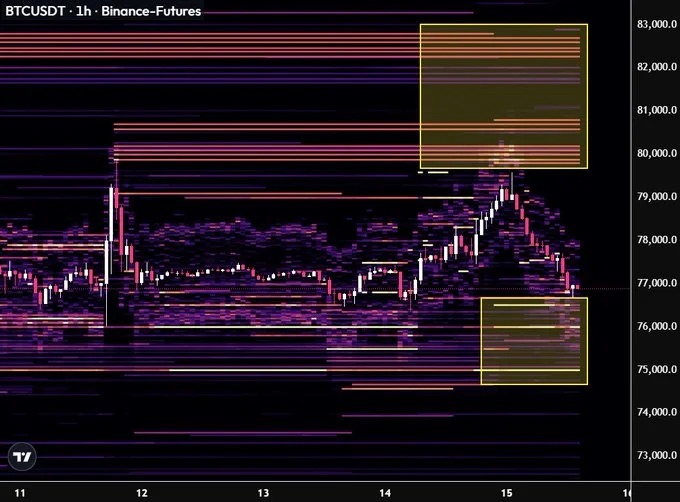





Bitcoin weakened on Tuesday, falling to around $76,076 during the session, and then traded around $76,314. The market is facing two pressures simultaneously: one is the overall weakness in risk assets ahead of the Federal Reserve's interest rate decision; the other is that the U.S. Senate is about to conduct a procedural vote on the Digital Assets Market Clarification Act, and there are still uncertainties as to whether the bill can move forward.
Risky assets are also under pressure simultaneously.
U.S. stock futures declined on the same day, with the S&P 500 index and NASDAQ opening lower. The yield on 10-year U.S. Treasury bonds approached its highest level since 2023. Oil prices rose due to concerns about supply in the Middle East, further suppressing market risk appetite. Tech stocks were also affected by a new round of AI security discussions, resulting in an overall cautious sentiment.
Against this backdrop, crypto assets were not able to remain unscathed. Bitcoin opened the day at $78,185 and briefly rose to $78,242 before turning down, with a daily decline of about 2.39%. This also represents its lowest closing level since it formed a "golden cross" recently.
Bill voting becomes a short-term focus
More attention is drawn to a variable from Washington. The U.S. Senate is scheduled to hold a procedural vote on the "Digital Asset Markets Clearing Act" at 2:15 p.m. Eastern Time on Tuesday, which is the required procedure before officially starting debate.
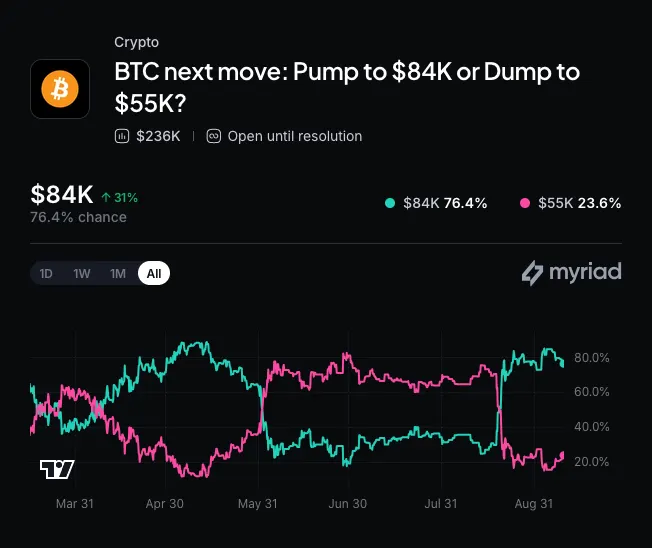
This procedure usually requires 60 votes of support, but recently the market's confidence in whether this threshold can be met has weakened. The market's probability assessment of the bill becoming law in 2026 saw a significant decline after September, only to pick up slightly in recent days due to new compromise proposals.
If this procedural vote is not passed, the bill will not be officially rejected, but more comprehensive legislation for the crypto market structure may be postponed until after the mid-term elections. As a result, the industry will continue to operate under the existing decentralized regulatory and enforcement framework of the U.S. Securities and Exchange Commission (SEC) and the Commodity Futures Trading Commission (CFTC).
Two time points arrive one after another.
- The Senate held a procedural vote on the bill on Tuesday afternoon.
- The Federal Reserve announced its interest rate decision on Wednesday.
- Risk assets have already reflected cautious expectations in advance.
For the crypto market, short-term fluctuations are not caused solely by individual assets themselves, but rather by the combined pressure of policy developments and macroeconomic pricing. If the advancement of the legislation is hindered, market expectations for improved clarity in US crypto regulation may continue to cool down; if the Federal Reserve maintains a tight stance, the range of pressure on risky assets could also further expand.