AI The craze brings a multiplier effect: Running Ethereum from home is now easier than ever, Vitalik confirms
U.Today
09-26 21:22
Ai Focus
The local AI hardware boom has unexpectedly alleviated the high hardware costs faced by Ethereum end-users. Vitalik Buterin mentioned that after optimization, his own Geth node only occupies 461 GiB; with EIP-4444 and snap sync optimizations, the synchronization time for a full node has been reduced to about 12 hours, and the disk requirement has dropped to below 0.5 TB. The article also mentions that a Glamsterdam hard fork and privacy-supported kohaku-cli wallet projects are in progress.
Helpful
No.Help

Disclaimer: The views expressed by the author of this article represent only their personal opinions and do not represent the views of U.Today. The financial and market information provided by U.Today is for reference only. U.Today is not responsible for any financial losses incurred from trading cryptocurrencies. Before making any investment decisions, please consult a financial expert and conduct your own research. We believe that the content of this article was accurate at the time of publication, but some of the discounts mentioned may no longer be applicable.

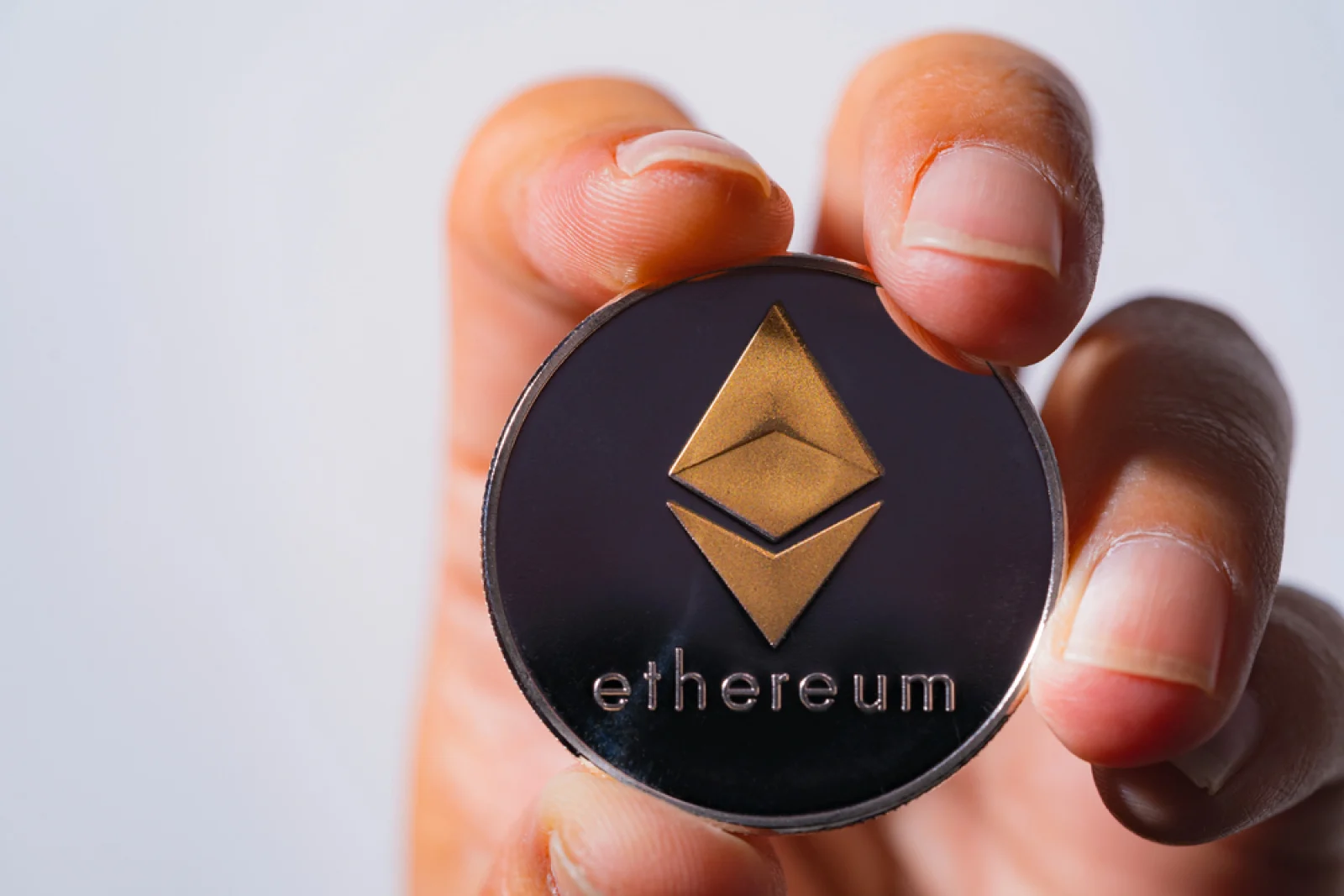
The local AI hardware boom has unexpectedly solved one of Ethereum's main infrastructure problems: the high cost of hardware for end-users.

Ethereum co-founder Vitalik Buterin confirmed this synergistic effect and demonstrated his own Geth node configuration: after optimization, it only occupies 461 GiB. Nowadays, many enthusiasts are purchasing high-performance workstations in large quantities to run large language models LLM locally and privately, and the specifications of these devices have surpassed the technical requirements of blockchain nodes.

Therefore, the excess local computing power is transforming home computers from terminals for accessing other people's cloud services into independent computing nodes. This hardware enables users to run AI tasks, independently verify blockchains, and conduct secure transactions, completely eliminating intermediaries.

How Ethereum Adapts to the New Reality

Thanks to the integration of the EIP-4444 standard and the optimization of snap and sync, a complete node can now be synchronized in about 12 hours, and the disk requirement has been reduced to below 0.5 TB.

For users of AI devices equipped with GPU, such as the NVIDIA RTX 5090 graphics card or the DGX Spark system, these requirements can be almost ignored. The high-speed, large-capacity NVMe solid-state drives used to store the weights of the AI model are usually already part of their computer configurations; therefore, running the node is just an additional background process. The next hard fork Glamsterdam will further accelerate the synchronization speed of the L1 infrastructure.

As node technology upgrades, the demand for privacy is also increasing. Buterin pointed out that in his own work process, he is increasingly replacing browser-based dApp with command-line interfaces (CLI). The reason lies in security: web interfaces hardcode calls to commercial RPC providers, allowing these providers to collect user metadata.

The next logical step in this trend is kohaku-cli, which is a command-line wallet developed with the support of the Ethereum Foundation. The project aims to provide privacy protection out of the box and is currently testing private balance management functions on alpha. It also integrates protocols such as Tornado Cash, Railgun, and Privacy Pools among others.

Tip
$0
Like
0
Save
0
Views 35
WalletJYS reminds readers to view blockchain rationally, stay aware of risks, and beware of virtual token issuance and speculation. All content on this site represents market information or related viewpoints only and does not constitute any form of investment advice. If you find sensitive content, please click“Report”,and we will handle it promptly。
Submit
Comment 0
Hot
Latest
No comments yet. Be the first!
Related
The Chinese Academy of Sciences releases its 15th Five-Year Development Plan, aiming to build a world-class scientific research institution by 2035
According to "Voice of the Chinese Academy of Sciences," the Chinese Academy of Sciences has officially released its 15th Five-Year Development Plan, which outlines systematic arrangements for development goals, main tasks, and significant measures for the next five years. It also sets the goal of establishing itself as a world-class scientific research institution by 2035.
The Block
·2026-09-28 18:02:52
2
Bitcoin traders chase short-selling; rising yield premiums suppress gold prices
The demand for Bitcoin futures remains weak, with the number of open contracts dropping to around 652,000 BTC. The perpetual fund rate has turned negative, indicating a bearish market sentiment. At the same time, there have been fluctuations in gold and the US dollar index, while the yield on US Treasury bonds continues to rise.
CoinDesk
·2026-09-28 17:42:06
10
TrendAI expands on NVIDIA Agent Safety Platform, incorporating threat intelligence and full-stack AI factory security
TrendAI announces support for NVIDIA Agent Safety Platform, stating that its Vision One platform can integrate model protection, tool governance, data and identity control, as well as detection responses based on BlueField DPU into a single platform, helping enterprises to more securely advance the deployment of AI proxies from pilot projects to production.
PR Newswire
·2026-09-28 17:42:04
8
Trump says he is "very seriously" considering a ban on diesel exports; global supply tensions intensify
U.S. President Donald Trump stated that the White House is still seriously considering whether to impose restrictions on diesel exports in order to address the rising fuel prices ahead of the mid-term elections. Reports indicate that if the U.S. implements such restrictions, it may lower diesel prices in the United States, but it could also drive up global diesel prices, which in turn might affect gasoline prices in the U.S.
CNBC
·2026-09-28 17:33:32
9
Brent crude rises above $106 due to Trump's rejection of the Iran deal
Brent crude oil rose more than 2% on Monday, rebounding above $106 per barrel after Trump rejected Iran's latest peace proposal. Reports suggest that the market is not only pricing current export volumes but also taking into account the risk of potential disruptions to the Strait of Hormuz and Middle Eastern infrastructure.
Coinpaper
·2026-09-28 17:23:10
9
View More