

Chip manufacturer AMD is acquiring World Labs, a two-year-old startup founded by industry pioneer Li Feifei and focused on physical AI. This $8.2 billion all-stock transaction will bring important technology in this emerging AI field to AMD; this field may power the next generation of autonomous machines such as robots and self-driving cars.
AMD produces the GPU chips that are crucial for training and running AI models. The company stated that this acquisition will help it design products for the ever-evolving AI applications and enable it to compete more effectively with its main rival, NVIDIA; NVIDIA is also expanding into the field of physical AI.
AMD CEO Su Zifeng posted on X during the announcement of the transaction, saying: "We will combine World Labs's profound expertise in AI and world models with AMD's leadership in computing power to drive the future of AI and strengthen the open AI ecosystem."
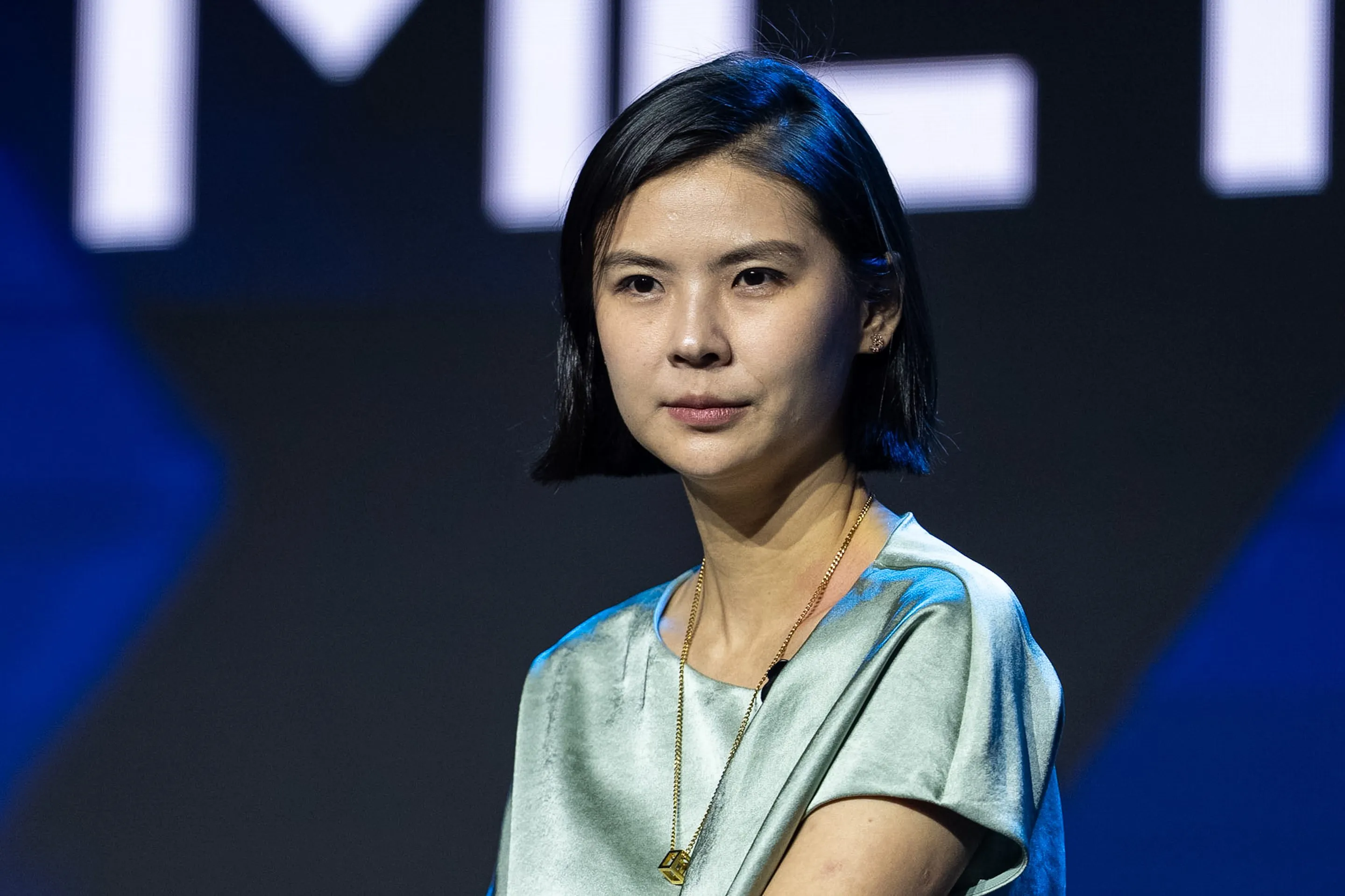
This transaction also brought together two of the most representative women in the AI industry: Su Zifeng from AMD, and Li Feifei from World Labs. Li Feifei, who founded ImageNet 20 years ago, is sometimes referred to as the "godmother of AI"; ImageNet is a vast visual database that has made deep learning possible. Li Feifei will assume the role of Executive Vice President and Chief Scientist at AMD, reporting to Su Zifeng.
In a lengthy post on X, Li Feifei stated: 'Without dedicated hardware investment, AI will be limited in efficiency, as well as in scale. For our purposes, it is still trapped in the digital world.' She also mentioned that Su Zifeng is her good friend and an early investor in World Labs.
Li Feifei said that World Labs and AMD started to establish a "deep technical partnership" last year, with a focus on model training and inference optimization on the GPU chips of AMD. She stated, "As we worked together as a team, we realized how naturally it would be to combine our AI ecosystem—software and hardware, basic models, and applications."
World models represent a path of intelligent software that is different from OpenAI, Anthropic, and the large language models that Google is building. Unlike the text data used to train LLM, world models are trained using data such as videos that depict the physical three-dimensional world. The goal is to create AI that can understand how objects move in the physical world, such as how a ball bounces; many industry insiders believe that this capability is crucial for extending AI to objects like humanoid robots.
World Labs has raised approximately $1 billion in funding and is one of the high-valued startups that are heavily investing in world models. Meta Yang Likun, former chief AI scientist, launched AMI Labs in March. NVIDIA has also built its own world model and collaborated with Wayve and other startups, which develop world models for autonomous vehicles.
Li Feifei said in her post: 'When we founded this company, we held a fundamental belief: language alone is not sufficient to support model development. The universe is not made up of words, but of real things.'
The two companies stated that the World Labs team will join AMD as part of the transaction, but did not provide a specific number of employees. AMD mentioned that this transaction is expected to be completed by the end of this year, provided that regulatory approval is obtained.
During post-market trading on Monday, the stock price of AMD remained relatively stable.