

Rising interest rates are causing two key macro trades that were once stable to collapse. Options traders, however, are betting that one of these trades will recover.
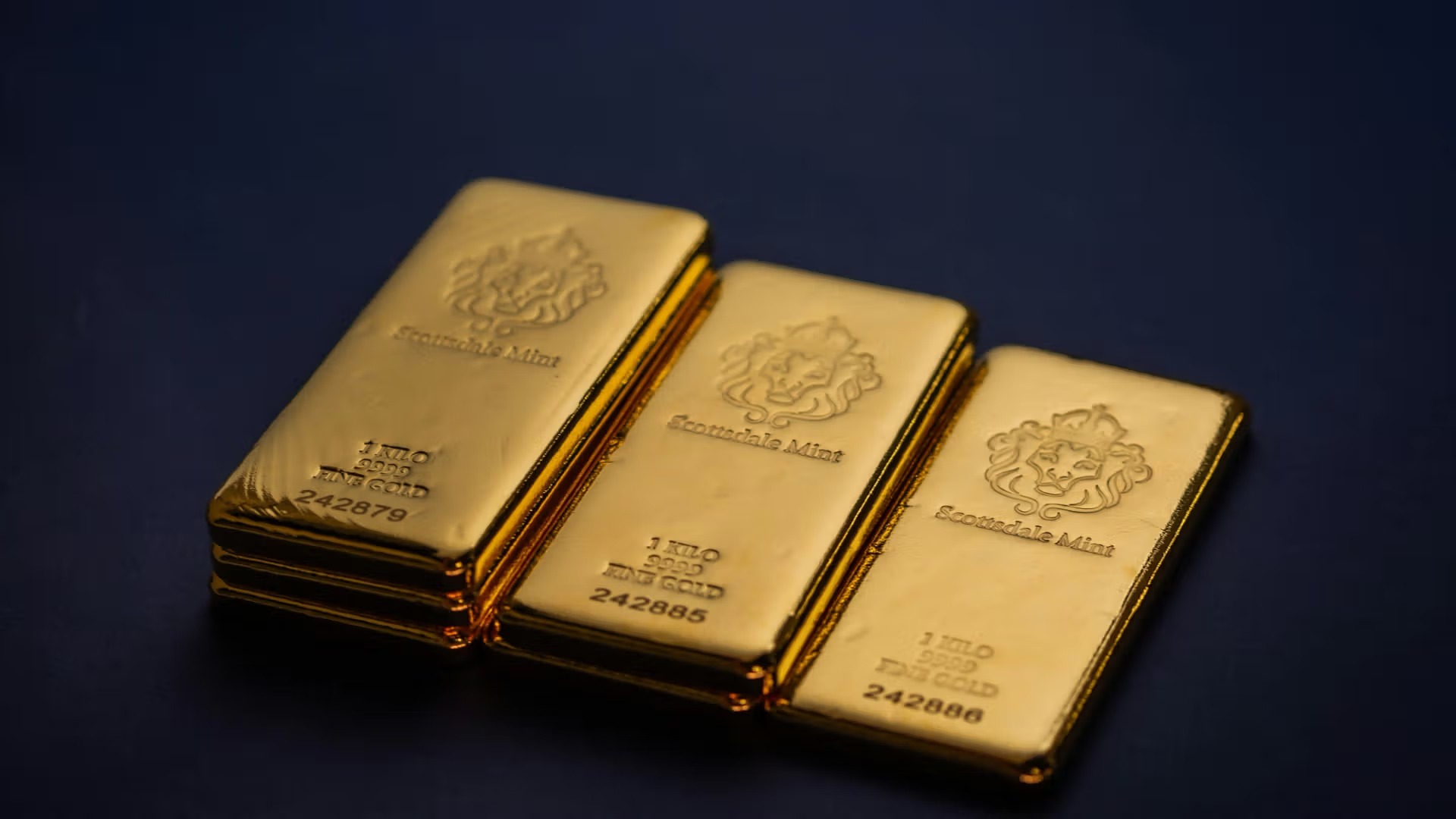
As the yield on 10-year U.S. Treasury bonds rose to 5.3% and the yield on 30-year bonds touched 5.4%, gold fell by 4% to its lowest level since the first week of August. According to iShares iBoxx high-yield corporate bonds ETF ( HYG ), the selling of high-yield corporate bonds continued for a fifth day, dropping to their lowest level since April 2025.
Judging from the options capital flow on Monday, traders believe there is a possibility of a rebound in gold; however, for high-yield bonds, their betting situation may be even worse.
Cboe LiveVol data shows that the trading volume of call options for SPDR Gold Shares ( GLD ) is approximately twice that of put options, with over 68,000 call options likely to have been bought, while there are less than 32,000 put options. Barchart analysis indicates that the net trading sentiment is bullish, with a scale of nearly 2.8 million US dollars, and there are 105,000 " delta " options that are biased towards the bullish side.
Although the number of call options sold by traders was roughly equivalent to the number purchased, the largest single trade of the day was the sale of 2,000 put options with an expiration date of January 2028 and a strike price of $375, valued at $5.9 million. This person may have been closing a short position or betting that precious metals would find support around $375. GLD has been trading within a range of about $10, between $370 and $380, for most of this summer. Selling put options means that the trader is betting that the underlying asset will remain above the strike price of those put options; in return for taking on this risk, they will receive the premium for those put options.
Both gold and high-yield bonds show a strong negative correlation with the 10-year yield rate – the 10-day correlation coefficient for GLD is -0.8, and for HYG it is -0.99 – but the option trading on high-yield bonds ETF HYG is even more significantly bearish.
On Monday, the trading volume of HYG options exceeded 2.5 times the 30-day average, with the number of put options traded being more than 2.5 times that of call options; Cboe LiveVol data shows that approximately 52,000 put options were likely to be purchased, while the number of call options was slightly over 15,000.
SpotGamma data shows that approximately $35 million in option premiums were traded, of which $30 million was related to call options. In terms of dollar amount, 11 out of the top 12 contracts by buying volume were put options; by trading volume, 8 out of the top 10 most popular contracts were put options. The most commonly bought contract was a put option with an expiration date of November 20th and an exercise price of $78.
"The sentiment around high-yield bonds has always been very complacent, yet the default risk is likely to be much higher than market expectations," said Nigam Arora, founder of The Arora Report, over the phone. "Many of these bonds have floating interest rates, and the debts will mature next year. People like their yields, but the interest rate spreads are not particularly favorable, and I don't think the risk-return ratio is worthwhile. I wouldn't touch them."