According to a regulatory document today, Tesla has been granted a credit line totaling $3 billion. These loans come as the company's profits have declined in recent years, and Tesla has indicated that it plans to increase expenditures in the coming quarters.
In the first 15 years of its operations, Tesla's sales and revenue almost only increased without any decline. The company expanded rapidly, and with what seemed to be an almost unlimited demand, it found a justification for almost every penny spent in pursuit of further growth.
This situation continued until 2024, when Tesla's growth rate shifted from 38% the previous year to a decline of 1%.
Thereafter, the company's profitability has been poor. Tesla had to include some controversial one-time gains in order to barely achieve a profit. Even so, the profits remained very low.
One reason for the pressure on profits is Tesla's increased capital expenditures in pursuit of various seemingly unrealistic ideas, such as cars without steering wheels, cars that do not see any performance improvements from flying, and promises to control a trillion-dollar robot army by a single person.
Capital expenditure more than doubled quarter-on-quarter last quarter, and Tesla stated that this level will continue to be maintained in the current environment where tech companies are spending at very high levels. The company expects total expenditures to reach $25 billion in 2026, up from $8.5 billion in 2025; analysts predict that capital expenditure in 2027 will also remain at a similar level.
Therefore, against the backdrop of declining profits and increasing capital expenditures, Tesla is now filling the gap through large loans.
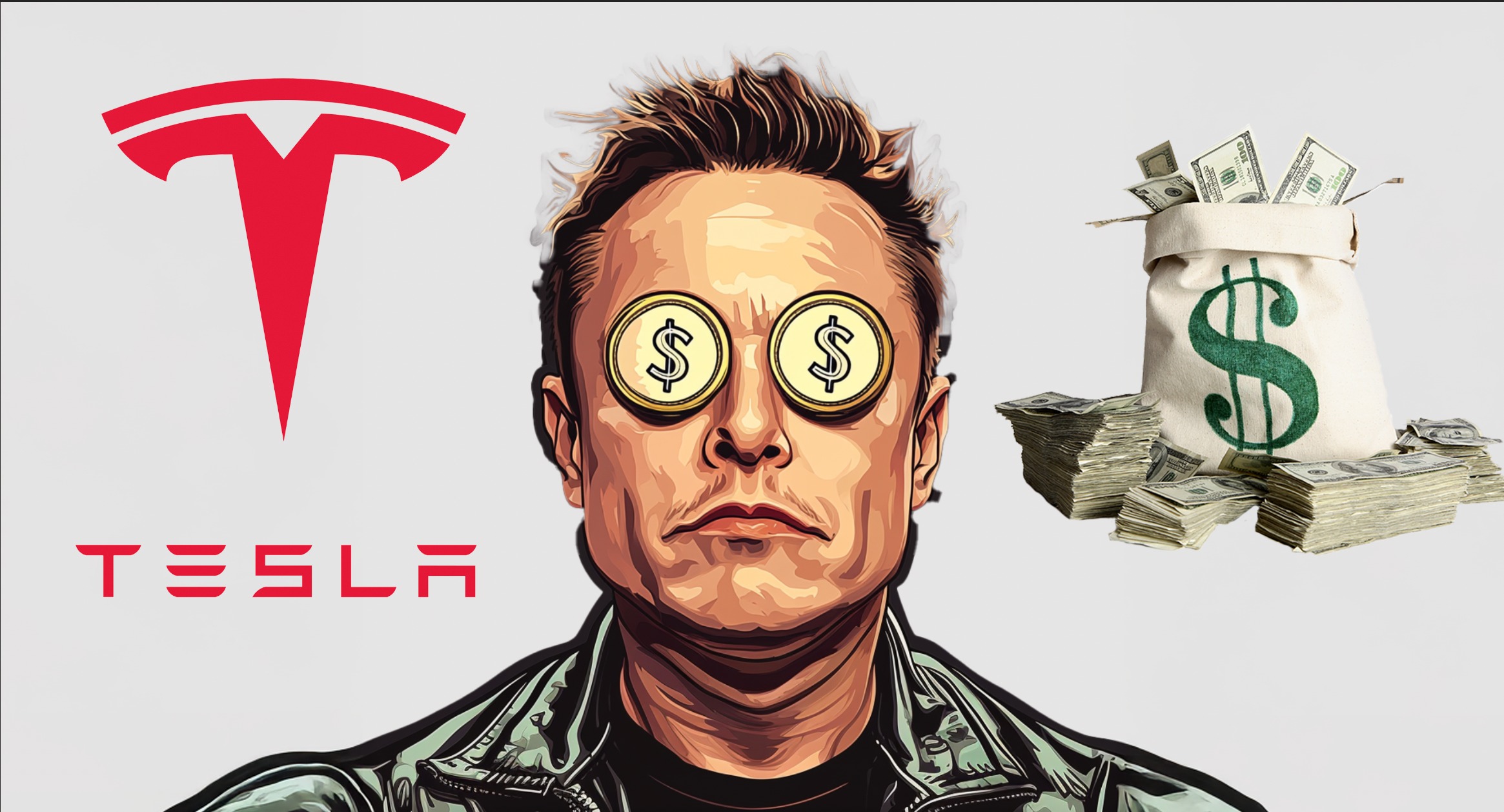
Today's regulatory documents show that Tesla has obtained a loan facility totaling $30 billion from Citibank and Wells Fargo. The loan terms range from 1 to 5 years, replacing the previously declared credit line of $5 billion; Tesla did not have such debt before.
The company stated that it does not expect to utilize this credit line in 2026, but with only three months left until the end of 2026 and a large number of expenditure plans for next year, there is still a need to consider it.
The amount of this loan is quite substantial, equivalent to about a quarter of Tesla's annual revenue at its current level of income. Compared to Tesla's profits, this sum is much more significant; in the past few quarters, Tesla's profits have only amounted to a few hundred million dollars, with almost no margin for error.
What is more concerning is that Tesla experienced negative cash flow last quarter, for the first time since the first quarter of 2024. At that time, the company's sales saw a significant decline. Prior to this, Tesla had maintained positive operating cash flow for several consecutive years.
Therefore, despite having approximately $43 billion in cash on its books in its last quarterly report, Tesla still felt the need to take on a considerable loan to fund its operating activities – after all, the automotive business is itself quite costly – as well as to finance various product initiatives it is pursuing, which may not generate revenue in the short term.
So far, Tesla has not reaped much in terms of increasing capital expenditures. Although the company will launch three products this month – well, one of them has been postponed – these three products were actually announced ten years ago in some form. One of them still cannot function properly to this day ( Cybercab ), another is progressing slowly ( Semi ), and the third seems to be merely intended to hype up acquisitions for investors ( Roadster ).
Adding to Tesla's other commitments regarding future products, funding these ideas will be costly. As for when, or even if, these projects will actually come to fruition, that remains to be seen; likewise, it is also uncertain whether Tesla will need to raise additional funds beyond this new $30 billion loan.
Charge your electric vehicle at home using rooftop solar panels. Find reliable and competitively priced solar installers near you for free through EnergySage. We pre-screen the installers to ensure high-quality solutions and save you 20% to 30% on costs. This service is free of charge, and there will be no sales calls before you choose an installer. Compare personalized solar quotes online and get guidance from independent energy advisors. Click here to get started. —— Advertisement *
FTC: We use automated affiliate links that can generate revenue. For more information.