

As traders await the U.S. employment data for September, Bitcoin has risen by about 3% since October, while rising bond yields and a stronger dollar are putting pressure on the broader market.
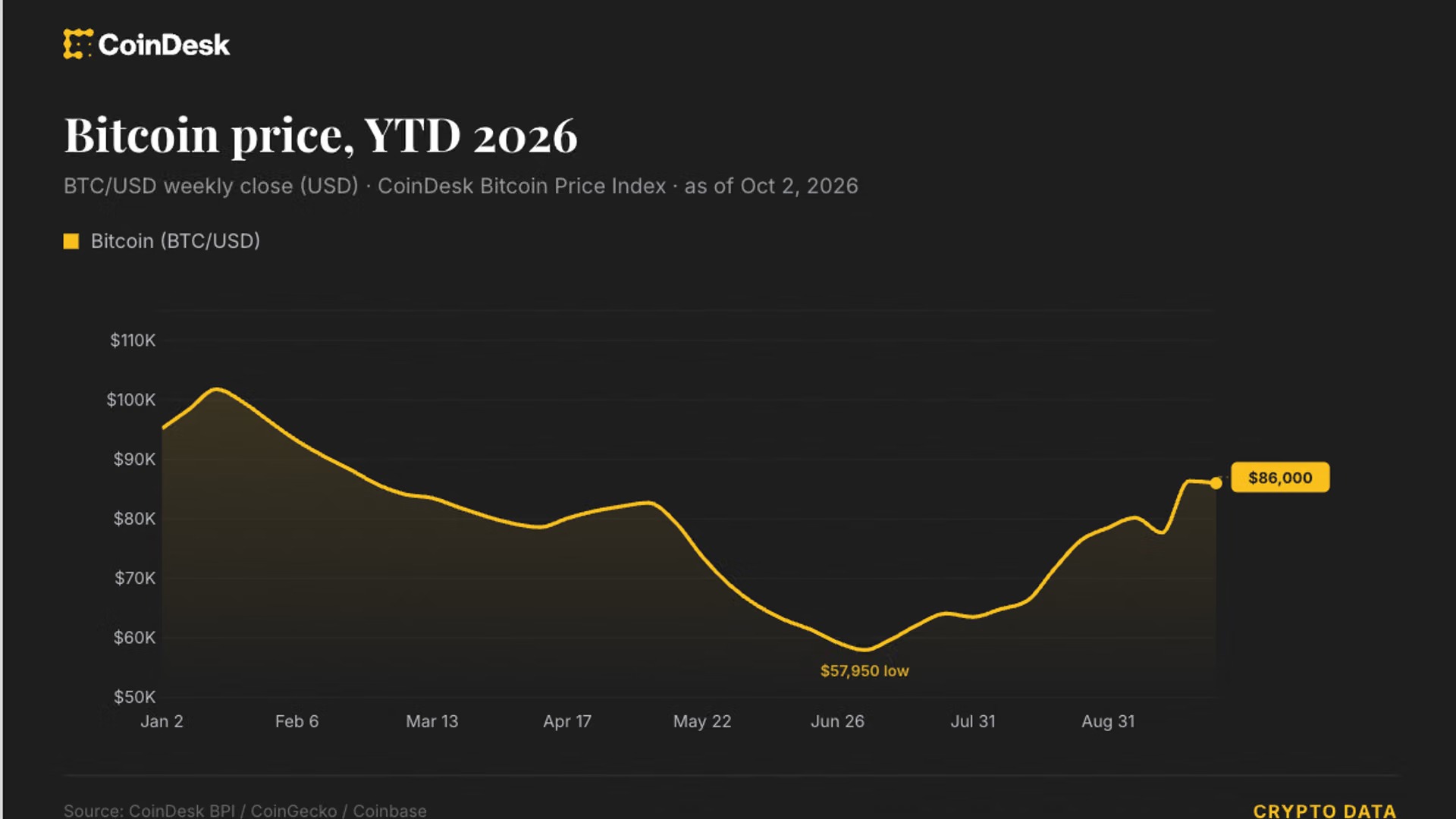
Bitcoin once rose above $86,885. The market expects that non-farm payroll in the United States will increase by 90,000 in September, with the unemployment rate expected to remain at 4.1%.
As bond yields soared, the US dollar reached a 18-month high; meanwhile, France's borrowing premium over Germany widened to its largest level in 14 years.
This cryptocurrency, which has the largest market value, subsequently fell back to around $86,000, but still rose by about 1.5% within the day, with a cumulative increase of about 3% since October.
The market expects that the unemployment rate will remain unchanged at 4.1%, while non-farm employment is expected to increase by 90,000 in September, which is lower than the 162,000 increase in August.
The surge in government bond yields – with the yield on 10-year U.S. Treasury bonds reaching a decades-high of 5.34% – has kept Bitcoin confined to the range of $82,000 to $85,000 this week. Yields move in the opposite direction to bond prices; therefore, an increase in yields indicates higher borrowing costs.
Meanwhile, the US Dollar Index ( DXY ), which measures the performance of the US dollar against a basket of major currencies, broke above 102 on Thursday, reaching a 18-month high. A stronger US dollar usually puts pressure on risk assets, yet Bitcoin continued to rise. However, the euro has fallen to around $1.12, its lowest level since May 2025.
Market concerns about France's public finances have further increased pressure on the euro. The cost of sovereign default insurance, as measured by France's 5-year credit default swap ( CDS ), has risen to multi-year highs. The yield spread between French and German 10-year government bonds has also widened to its largest level in 14 years.

Bloomberg's Lisa Abramowicz indicates that France's borrowing costs have surpassed those of Italy and Greece, with the yield on French government bonds rising to the highest level since the European debt crisis compared to German government bonds. France also faces one of the largest fiscal deficits within the EU.