According to the tracker from Decrypt, Bitcoin experienced a net outflow of $484.9 million on Wednesday, marking the largest single-day outflow since June 25th. Among them, BlackRock's IBIT saw an outflow of $207.7 million, followed closely by Fidelity's FBTC with an outflow of $105.1 million.
On this trading day, approximately 81% of the capital inflows from the previous nine trading days were wiped out. Nevertheless, these funds still had a cumulative net inflow of 57.8 billion US dollars. Therefore, although it was a bad day for ETF, it cannot be considered a run on the funds.
The reasons behind this have little to do with cryptocurrencies themselves and are more likely related to the macroeconomic environment. On Wednesday, the yield on 30-year U.S. Treasury bonds rose to around 5.7%, the highest since 2002; Brent crude oil closed at around $100 per barrel, and stock markets also fell from record highs. The number of attacks on vessels near the Strait of Hormuz continues to increase—there has been at least one attack every day since October 2—and each incident makes it more difficult for oil prices to decline.
What does this mean for Bitcoin investors? High oil prices will drive up inflation, and inflation will cause the Federal Reserve to maintain a hawkish stance. A hawkish Federal Reserve will keep bond yields high. For an asset that does not pay interest, this becomes awkward: when the yield on 10-year U.S. Treasury bonds exceeds 5% and is not expected to fall by 6% in a few days, why hold Bitcoin through ETF? Institutions and large institutional investors often make such calculations, and these judgments drive the market.
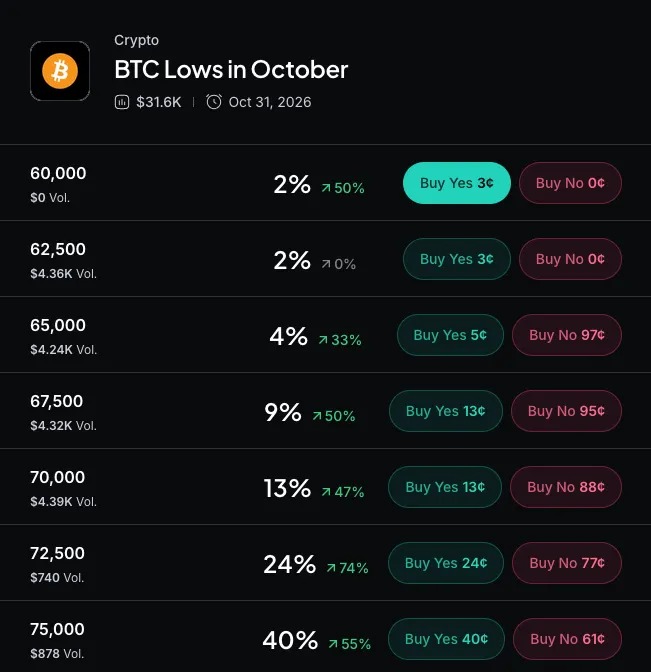
The Federal Reserve raised interest rates in September, which was the first time to do so since 2023; however, the minutes of the most recent meeting released on Wednesday indicate that most officials expect another rate hike before the end of the year. Nevertheless, traders remain skeptical about further rate hikes. According to the probabilities and market forecasts from CME FedWatch, the likelihood of a rate hike in October does not seem high. CME currently assigns a 19.4% probability of a rate hike in October, while Myriad gives a probability of 17%.
Outside of Wall Street, Bitcoin fell to $81,749.83 on Thursday, which is about 6% lower than the high of $86,978 set earlier this week. The long positions in the derivatives market suffered the main blow: according to CoinGlass data, approximately $429 million in positions were liquidated over the past 24 hours, of which 87.5% were long bets.
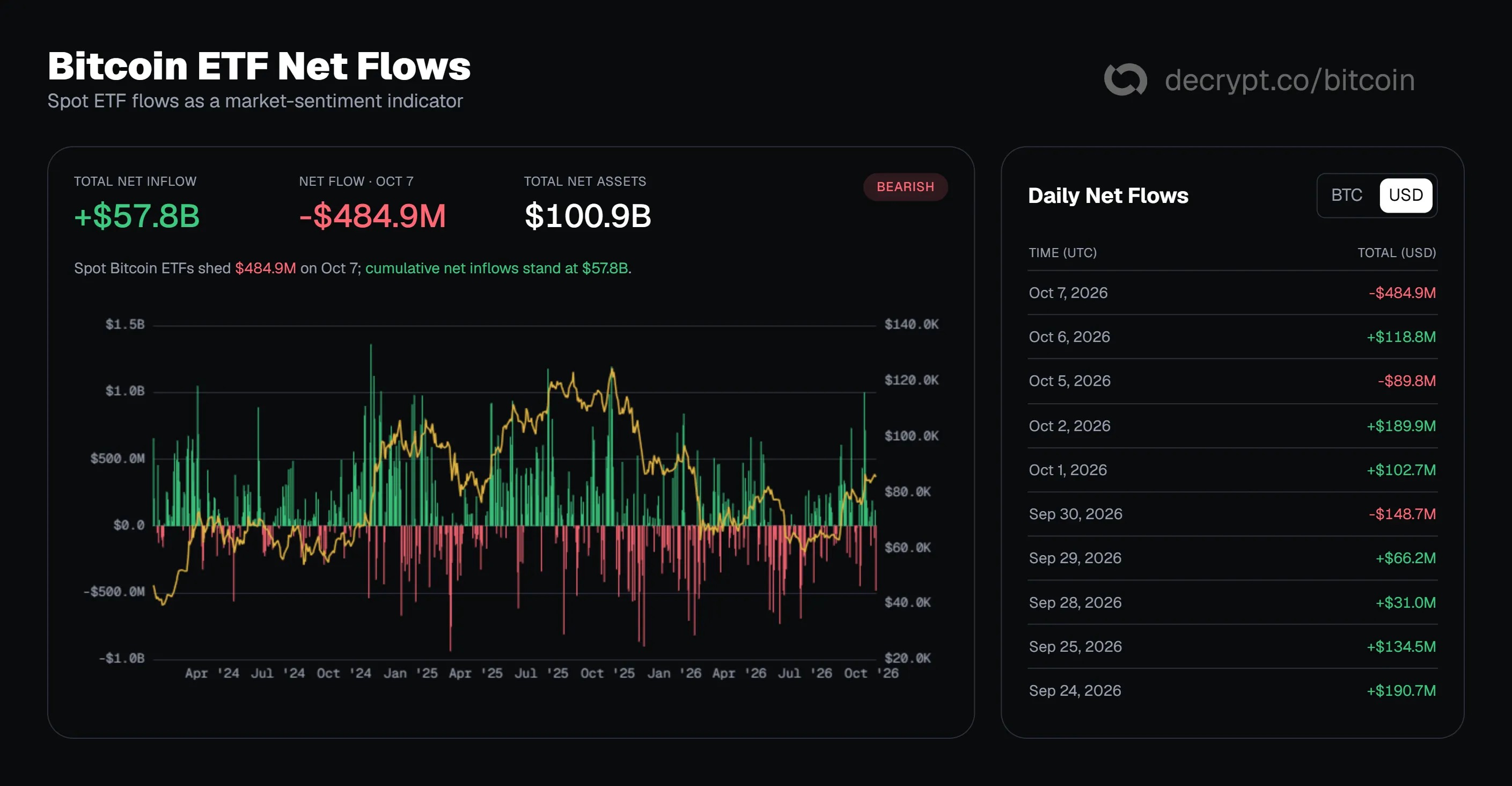
Bitcoin had previously seen six consecutive years of increases in October, until it fell by 3.69% last year. This year, related funds recorded a net inflow of $321.6 million in the first four trading days of October, but now there has been a shift to a net outflow of $163.3 million; with 23 days left until Halloween, there is still room for the situation to deteriorate further.
The next meeting of the Federal Reserve is scheduled for October 27th to 28th, followed by another on December 8th to 9th. The minutes from the September meeting did not provide a specific date for the next interest rate hike.