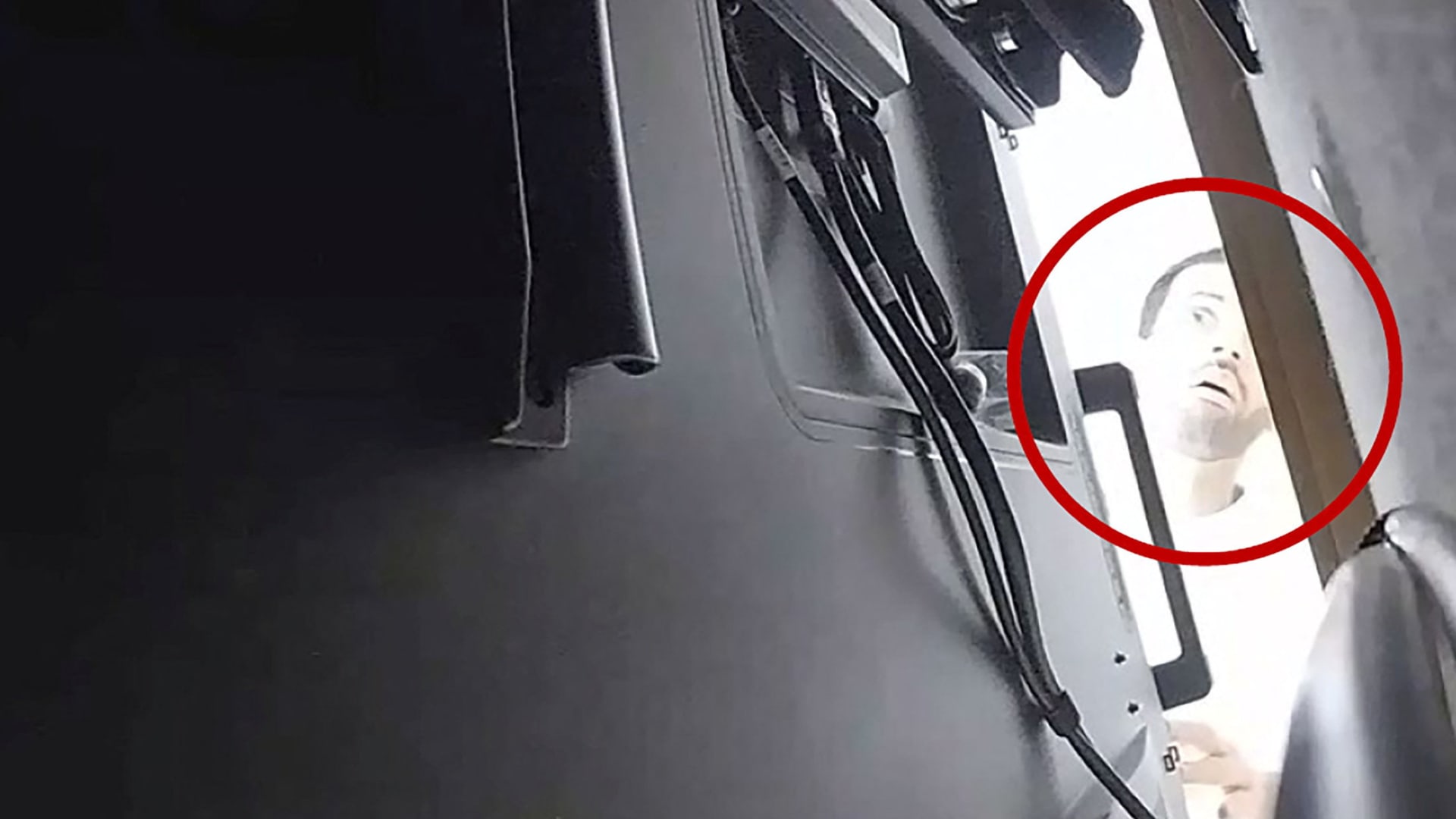
The CEO Garrett Langley stated that the company's gunshot detection microphones "only detect gunshots," however, the official website Flock describes the other environmental sounds that they can capture as much more diverse.
When speaking on the stage of TechCrunch Disrupt, Langley defended the audio collection product of a monitoring company named Gunshot Detection. This product listens to gunshots and other environmental sounds in nearby communities in order to provide "earlier awareness" for potential public safety incidents.
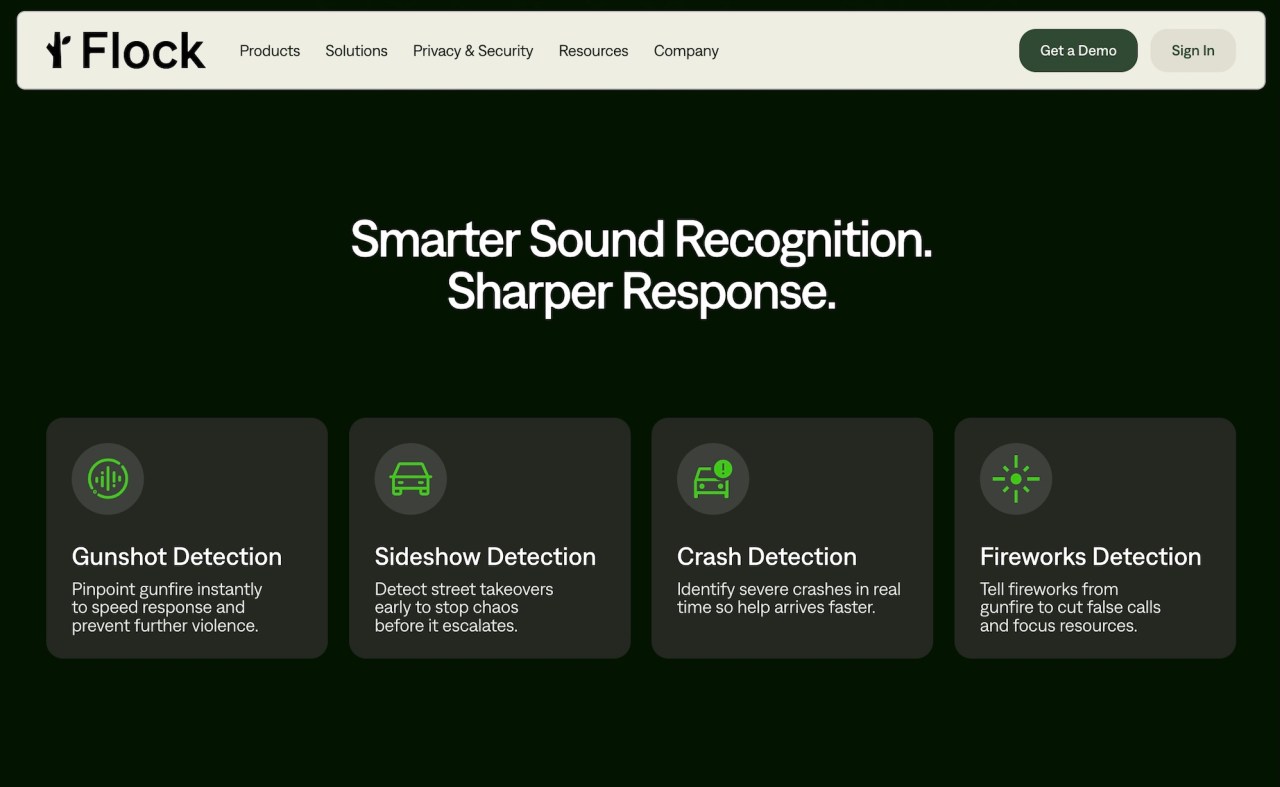
According to the official website, the company's audio systems can instantly locate gunshots, as well as "early detect street racing to prevent chaos before the situation escalates," and "real-time identify serious car accidents to allow for faster rescue responses." The website also states that these systems can "extend their detection range beyond gunshots to issue alerts for car accidents, fireworks, and street performances."
As soon as the company's Gunshot Detection feature was announced last year, it immediately faced opposition. Flock stated when announcing this feature that the technology would monitor "screams." Privacy organizations condemned the company for monitoring human voices, which prompted the company to revise its website description to read "sounds of human suffering." Flock later indicated that the "suffering" detection capability, which was in trial use with customers, had been completely removed.
In the interview, Langley refuted the incorrect information regarding the product that he claimed, stating that many critics had misunderstood how its product works. As public concerns about mass surveillance increase, public opinion is also continuously shifting towards opposition to Flock and other license plate recognition companies; when Langley took the stage, this sentiment could also be seen in San Francisco, with protesters gathering outside the venue to express their opposition.
Langley said to TechCrunch, the editor-in-chief of Connie Loizos, on stage: “Most people don’t call 911 when they hear gunshots, so that’s why we created this product. Then some of our customers said, ‘Oh, we’ll install these in parking lots. It would be great if we could receive alerts if someone were kidnapped or injured.’”
Langley said that the idea seemed logical, so the company developed a prototype and launched it to a small number of customers. However, subsequently, some people raised many concerns. Langley admitted to making mistakes but stated that he is listening to customer feedback.
“Only a few customers worked on the prototype with us, and we thought, ‘Okay, that’s great. It will only perform gunshot detection, which is simple and clear.’ If there is a gunshot, we will notify; if not, it will just listen for that,” said Langley.
When asked about the contradiction between his statements and the company's marketing materials, which claimed that the audio system could detect more than just gunshots, he replied, "It was gunshots."
After contacting Flock, spokesperson Paris Lewbel stated: "The gunshot detection technology of Flock is mainly used to detect gunshots, but it can also detect fireworks, street racing, and potential car accidents. The statement from CEO Garrett Langley aims to emphasize that the audio detection technology of Flock is not intended for monitoring conversations or analyzing voices, nor will it detect human screams or pain."
The FAQ section of the website states that "in addition to gunshots, Flock Gunshot, and, and Audio Detection can also detect fireworks, street racing, and other events that disrupt the community." The page also mentions that the company's "detection database will continue to expand to include emerging threats related to specific customer needs."
Langley indicates that the number of microphones in Flock is comparable to that in ShotSpotter; according to Wired, as of 2024, there were approximately 25,000 microphones in ShotSpotter.
As statements by Langley continue to emerge amidst growing scrutiny from privacy advocates, including the American Civil Liberties Union ACLU, and the public concerned about the misuse of technology Flock, some individuals have even gone so far as to vandalize these surveillance cameras. Meanwhile, Texas and Florida have begun to terminate their partnerships with Flock, and Amazon's Ring has also ended its cooperation with the company.