

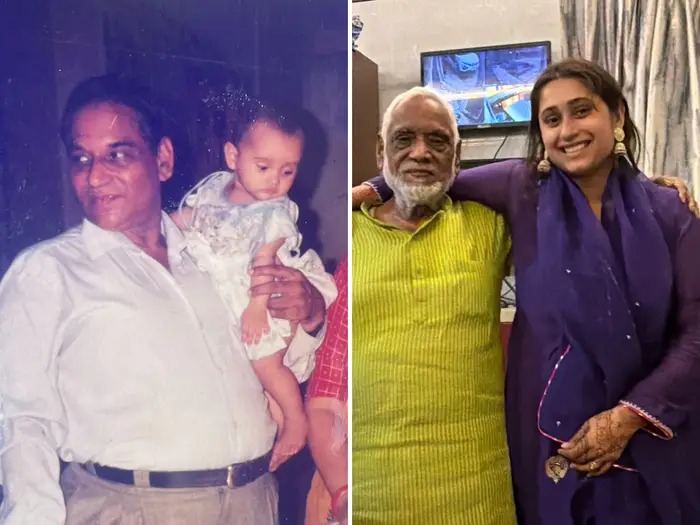
As a Gen Z individual, I have always struggled with work ethics. I have learned to make the most of my leisure, travel, and rest time, and I have also learned how to enter a state of "flow." However, my grandfather's work attitude has made me rethink my own approach.
An 86-year-old grandfather refuses to retire. For the past 60 years, he has gotten up at the same time every morning, taken a bath, dressed neatly, had breakfast, and then gone to his own private clinic to start working as a general practitioner.
Apart from when he was sick or on very few trips, he never took a single day off and never deviated from his schedule. His work ethic is enviable; I have never seen it in anyone else. My grandmother passed away last year at the age of 70, and yet he returned to work just a week later.
He is the eldest son.
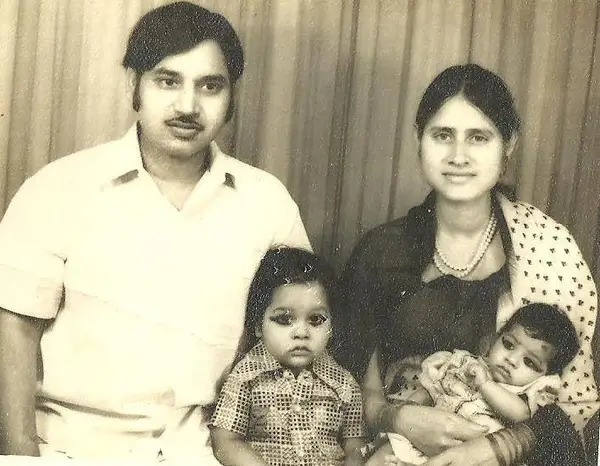
He was born in 1940 in the small town of Gonda in northern India and is the eldest son in his family, with six younger brothers and sisters. In 1966, at the age of 26, he began practicing medicine after completing his Bachelor of Medicine degree ( MBBS ).
From the very beginning, he focused on his career as well as his responsibilities as the eldest son in a South Asian family. He worked in a large hospital for several years before opening his own private clinic. He also founded a Rotary club branch in his city and served as its leader on multiple occasions over the following decades.
He has always had a deep sense of empathy, which made him a doctor who is very considerate of those with poorer economic conditions. Due to his lower fees, his willingness to spend time understanding each patient's issues, and his cautious approach to prescribing medication, he quickly earned a good reputation in the local area.
Sixty years have passed, and the patients who were once young men and women now come to see him from different cities, bringing their own grandchildren with them. It wasn't until two years ago that he reduced his workload, working only until before lunch. So now, many patients come directly to his home when they encounter emergency situations. “I don’t like to turn them away. Helping them makes me very happy,” he told me during our weekly call.
He doesn't want to retire.
Through his work, he built a house for his parents and siblings, and another house for his wife and children. He covered most of the educational expenses for his siblings and also contributed a large sum of money when they got married. In short, in his life, he took responsibility for every role and every relationship.
He has three children: two daughters and a son. They think he should relax a bit. “Why don’t you retire?” my mother asked him a few years ago, but he shook his head vigorously, as if such an idea was simply not possible.
"Some friends of mine are much healthier than I am. They retired quite early, and I've seen many of them pass away," was his response to my mother. He also feels that being in a state of rest for a long time can make one's senses become duller. Apart from partial hearing loss in one ear and a decrease in physical activity due to aging, he is in good health and is fully capable of living independently.
He also takes time to enjoy life.
Since he established the clinic himself, if he decides to retire one day, he can make that decision entirely on his own, which is a privilege. However, this has not stopped him from enjoying the pleasures of life. He takes time off to go on vacations and also sets aside time to spend with his children, parents, and wife.
From him, I am learning that having a work ethic also means having a deep respect for one's own life. It’s not just about dedication to work; his work ethic also demonstrates a will to live as independently as possible for as long as he can. I hope to lead a purposeful and vibrant life myself, to help others, to guide them, and to always be a useful person until I leave this world. I want to eat healthily, exercise every day, put in the effort to nurture my ambitions, be with the people I love, and focus on my goals. His work ethic also shows me how much he values his time. He nourishes and cherishes his time, and uses it to build a better life for himself. It is this respectful relationship with time and diligence that has brought him where he is today.
He hopes to continue to be a person who makes a difference in society, and this has also given me a new perspective on how I want to live my life. This idea might be a bit special, but I hope to have the same work ethic as him and not retire.
Author:Varisha Tariq
source:Business Insider