In short
- Elon Musk's proposal to merge SpaceX with Tesla would combine the two companies' total of 30,221 BTC, valued at approximately $2.5 billion, to create one of the largest non-mining corporate Bitcoin treasuries in the world.
- The holdings of SpaceX did not come into the public eye until June, when the IPO document was submitted; prior to that, these bitcoins had been quietly accumulated over many years.
- Musk reminded that the transaction is not "certain beyond doubt," and neither company has sent any signals to buy or sell.
Elon Musk's proposal to merge SpaceX with Tesla is not just about combining rockets and electric cars; it also involves merging one of the two largest companies in the world's Bitcoin holdings onto the same balance sheet.
On Tuesday, Musk stated during the third-quarter earnings call of SpaceX that the boards of directors of both companies have established special committees composed of independent directors to evaluate this merger transaction. However, he also reminded that it would be "exaggerated" to consider this transaction as "certain without a doubt."
However, just this idea has already drawn renewed attention from the outside world to the encrypted asset holdings of the merged entity.
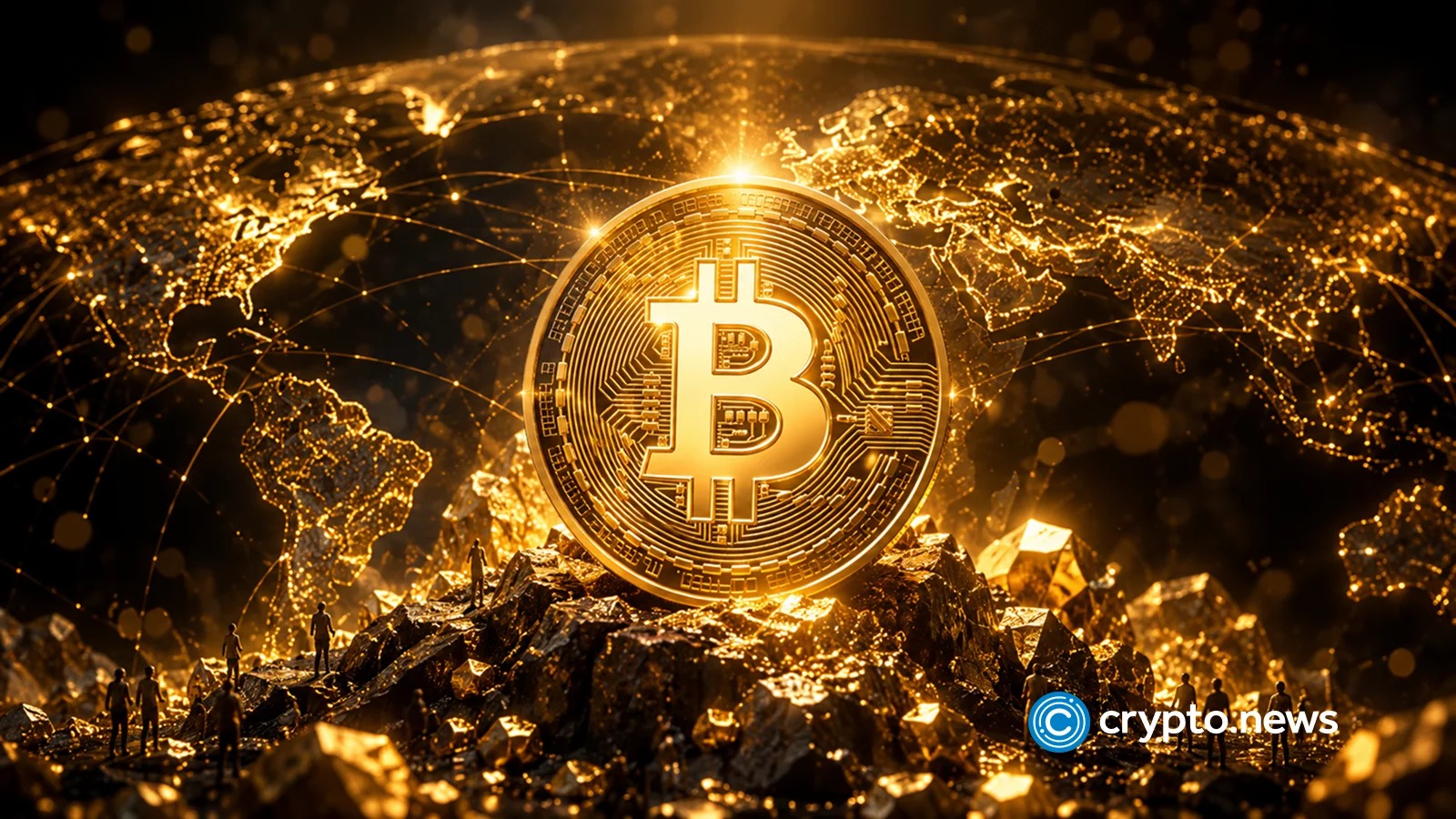
Tesla disclosed in its most recent quarterly report that it holds 11,509 of BTC; SpaceX disclosed in its S-1 report submitted before its June IPO that it holds 18,712 of BTC. In total, that amounts to 30,221 of BTC, which, at the recent price of around $83,000 per Bitcoin, is valued at approximately $2.5 billion.
As reported by Decrypt when this merger idea first emerged, if the two companies merge, it will bring together one of the largest Bitcoin holdings outside of mining operations under Musk's control, placing the merged company among the top holders of Bitcoin, second only to Strategy under Michael Saylor and a few other companies.
Among them, the part marked with SpaceX is the most notable. The 18,712 BTC held by this rocket manufacturer were virtually invisible to the public market before their disclosure in the IPO documents. This means that this considerable asset has been quietly accumulated within a private company for many years until it was now noticed by the outside world. The quantity exceeds more than twice what blockchain trackers had previously attributed to the SpaceX wallet. The combined cost base of the two companies is approximately $1 billion, which implies an average purchase price of about $35,000 per unit.
The merger itself will not change any of the fundamental aspects of Bitcoin, and neither company has indicated any plans to buy or sell. Both parties maintain their static positions; the last time coins were transferred on SpaceX was a few years ago, while Tesla reported no changes.
What transactions will truly change are governance and accounting treatment: One of the most closely watched corporate Bitcoin holdings will be brought under a single listed entity, subject to quarterly disclosures and fair value accounting treatment. The latter requirement previously forced Tesla to recognize losses during periods of Bitcoin price declines.
For now, this treasury account is just a hypothesis, ultimately depending on a transaction that is still in the exploratory stage. However, it also highlights that if Musk's mega-merger goes through, it will almost inadvertently create a Bitcoin giant.