Newsletter
SpaceX signed a binding commitment letter with an entity managed by Apollo, involving a lease of approximately $40 billion in GPU; the lease is set to begin in the first half of 2027, and the main lease agreement is expected to be completed by the end of 2026.
Musk stated that the debt market has almost completely cut off financial support for companies whose income does not mainly come from AI data centers, and predicted that more than 200 neocloud will experience "a death and consolidation similar to that of small fish."
Investor Chamath Palihapitiya predicts that there will be turmoil in 2027, and the amount of idle or underutilized AI computing power will be more than expected; at the same time, the yield of CoreWeave unsecured bonds was around 15% in mid-October.
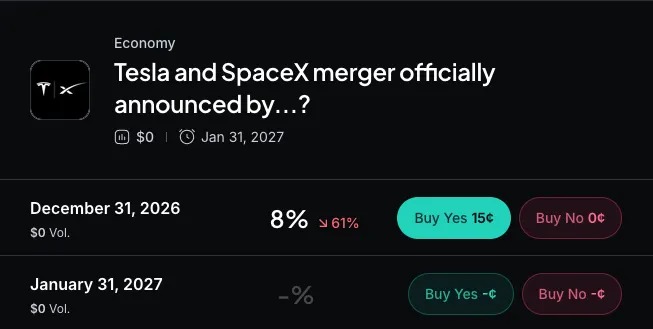
SpaceX indicates that a financing deal worth $40 billion has been completed, which was used to purchase AI chips for its data centers. Elon Musk used this news to warn that lending institutions have almost completely cut off financial support for companies that rely on the income from AI data centers.
This financing covers GPU, which is used for training and operating the graphics processors of the AI model, and is applicable to SpaceX; SpaceX absorbed xAI in February. According to a regulatory document, an entity managed by Apollo Global Management – an investment institution that lends directly to businesses rather than through banks – will purchase these chips and lease them to SpaceX.
Elon Musk described it as a debt, but the documents refer to it as a financial lease, which is a long-term leasing arrangement similar to a loan. The principal of approximately $40 billion, plus interest at an undetermined fixed rate, will be repaid through quarterly payments over about five years. The chips will be delivered in batches, and the lease will begin in the first half of 2027.
Musk wrote on X: "In the past few weeks, the debt market has almost completely closed off financing channels for any company that does not have substantial revenue from outside of the AI data centers. SpaceX completed $40 billion in debt financing for GPU, but we have an investment-grade rating, and we also have revenue from Starlink and launch services."
Investment-grade rating refers to a credit rating where the borrower is considered less likely to default. In June, Moody's rated SpaceX as Baa1, which falls under the investment grade. Starlink is the satellite internet business of SpaceX, and the revenue generated from its satellite internet and rocket launch services is unrelated to AI.
Musk added, "This means that more than 200 neocloud will face a fate similar to that of small fish, dying and being integrated. Some will survive, but not many."
Neocloud is a professional company that leases the computing power of GPU to developers of AI. The largest of its kind, CoreWeave, was established in 2017 and initially used graphics cards to mine Ethereum. After Ethereum mining ceased on that network in 2022, it shifted to mining AI.
The problem is that chips depreciate rapidly, yet loan terms can last for several years. In the second quarter, CoreWeave recorded nearly $1.4 billion in depreciation and amortization – these are accounting expenses that reflect hardware wear and tear – while revenue during the same period was about $2.6 billion.
Citadel Founder Ken Griffin stated at the company's market meeting on October 20th that GPU is similar to airline seating; since the additional costs are virtually negligible once it is established, prices may drop significantly when supply exceeds demand.
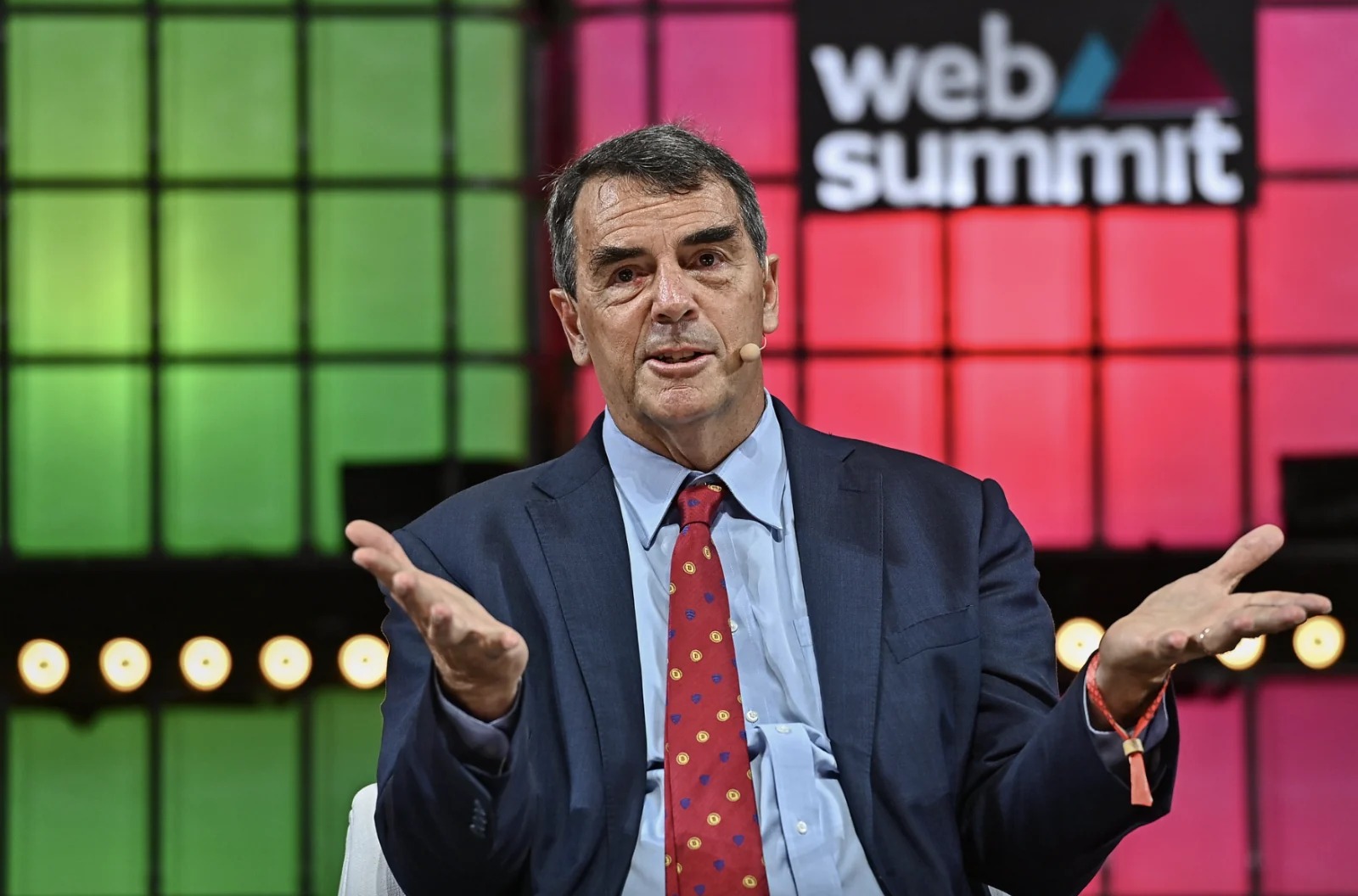
Venture capital investor and entrepreneur Chamath Palihapitiya predicts that in 2027, the amount of idle AI computing power will be more than what the market anticipates. "The delays in the existing pipelines will catch people off guard in 2027," he wrote on X, "Super-large cloud service providers will obviously focus on their own internal computing power needs, rather than any third parties."
Super-large-scale cloud service providers refer to cloud giants such as Amazon, Microsoft, and Google. Palihapitiya indicates that the revenue generated from these purchased and paid-for idle hardware devices is lower than their financing costs. He claims that this issue exists throughout the industry, with only one exception that he does not name.
Palihapitiya writes: "2027 will be a turbulent year, as it will eliminate a number of wrong/bad bets. It will also become a year of consolidation for a few companies."
SpaceX indicates that it is expected to finalize the main finance lease agreement by the end of 2026, yet the interest rate for this approximately $40 billion lease has not yet been determined.