Microsoft is offering buyout options to approximately 60,000 of its employees, which accounts for about 27% of its total workforce. As this software giant continues to make significant investments in artificial intelligence, it is also pursuing cost control measures.
Microsoft's Chief Human Resources Officer, Amy Colman ( Amy Coleman ), introduced this new program in a memo to employees on Monday, stating that eligible employees include senior leadership, up to the vice president level.
Coleman wrote, "This initiative provides a new option for eligible employees who may be considering leaving the company to move towards their future, allowing them to make this transition with support now." Microsoft published this memo on its blog.
As of the end of June, Microsoft had a total workforce of approximately 223,000 people, which is 5,000 fewer than in the same period of 2025.
Microsoft has been reducing its workforce to cut costs, while investing billions of dollars in building artificial intelligence data centers. In April of this year, the company offered a similar voluntary buyout plan to long-serving employees, which was Microsoft's first such initiative. At that time, Coleman stated that Microsoft hoped to accelerate its pace and simplify its operations.
Employees who choose the latest buyout option will receive severance pay based on their length of service with the company. A Microsoft spokesperson told Fortune that the specific terms will vary depending on the labor laws of different countries, but they will be in line with standard termination compensation packages. In the United States, this means at least eight weeks' salary, as well as continued access to stock ownership, health insurance, and professional benefits.
Employees from the United States, the United Kingdom, Canada, and India who meet the criteria must accept the plan by the first week of December, and participants will leave their jobs on December 31st.
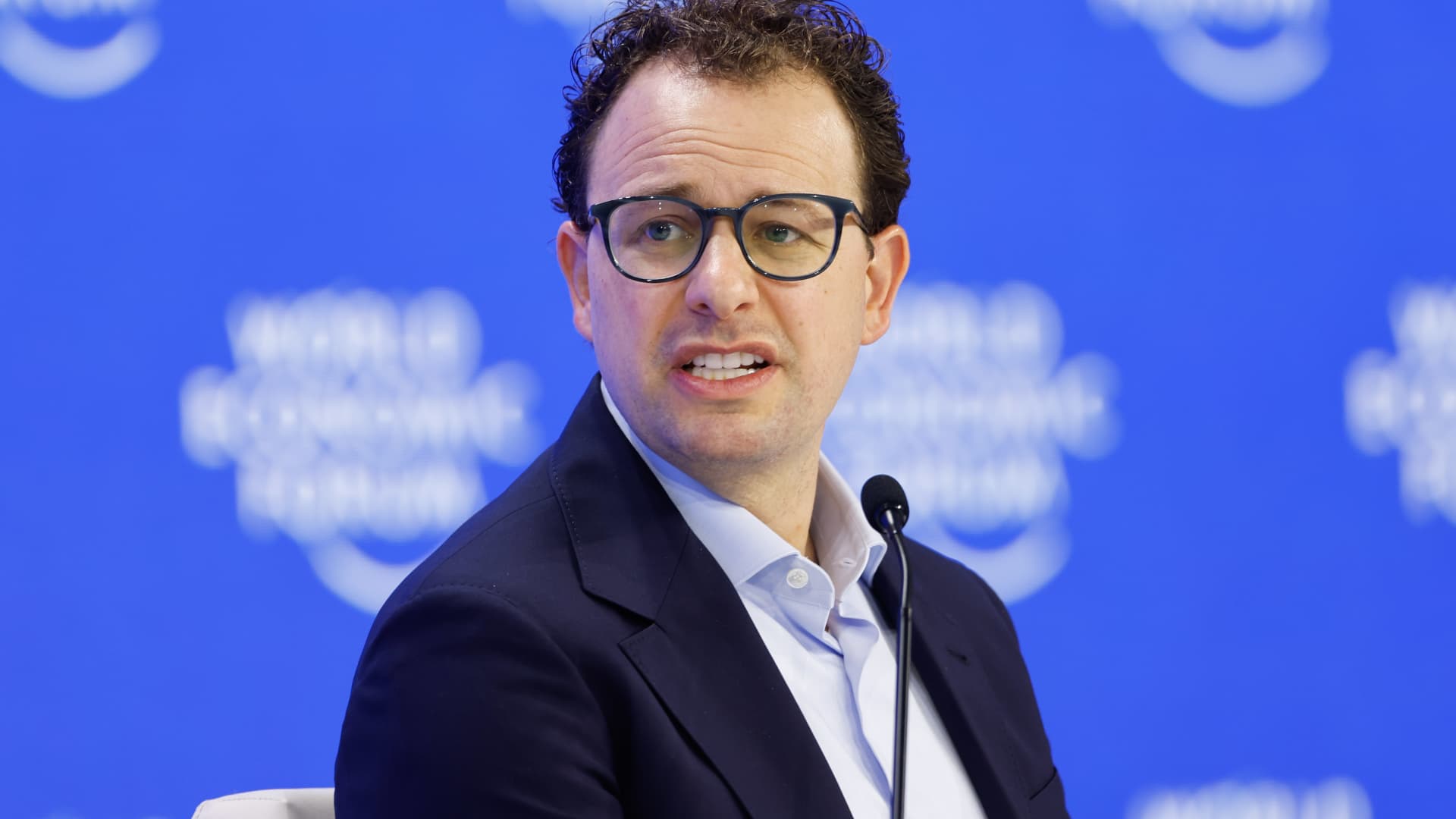
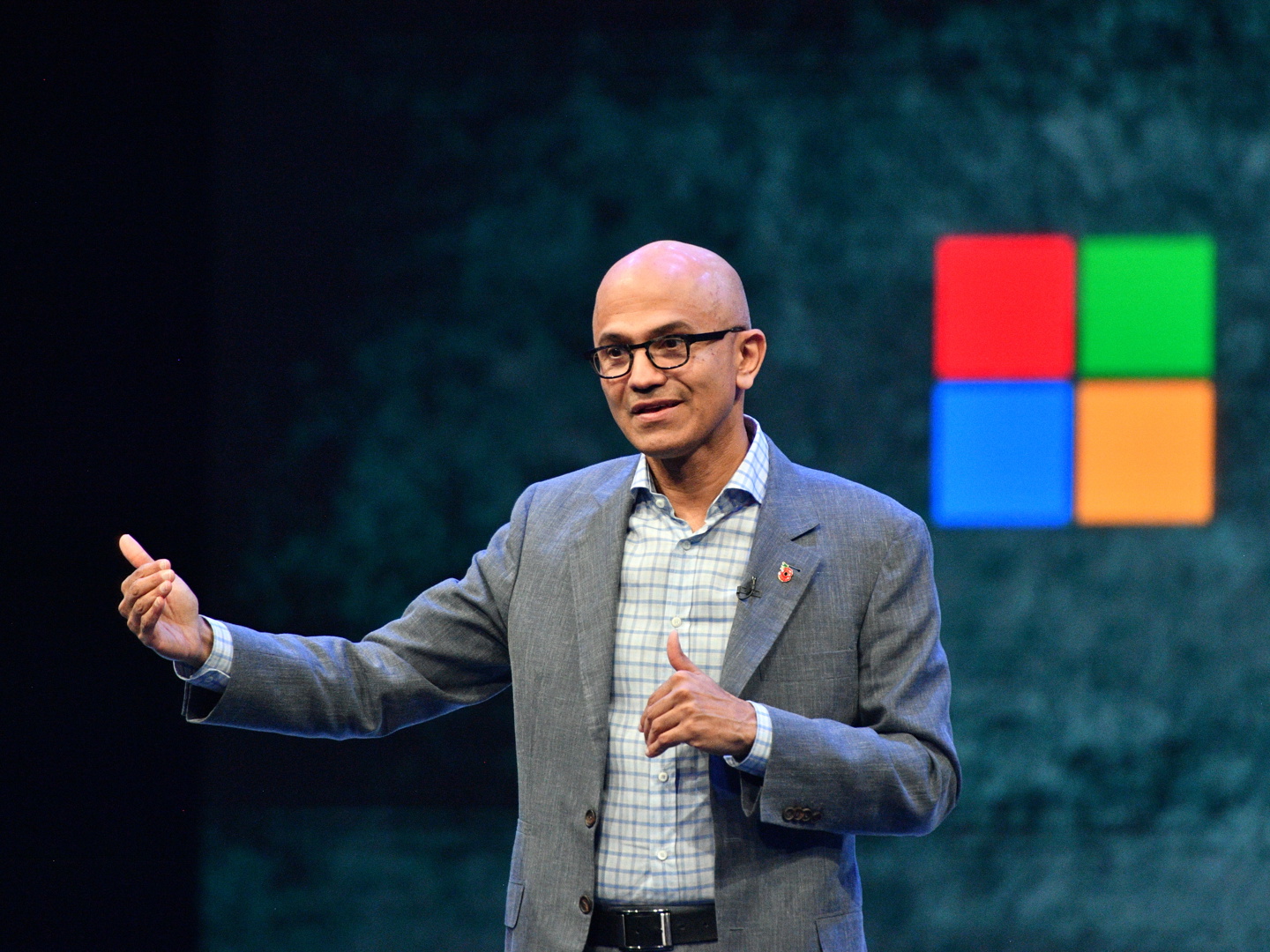
CEO Satya Nadella ( Satya Nadella ) made several leadership adjustments amidst a wave of executive departures. As Nadella seeks to win over businesses and the cloud AI market, Microsoft's corporate culture and leadership structure are also changing. Ryan Roslansky ( Ryan Roslansky ), CEO of LinkedIn and also Executive Vice President, recently announced his resignation, as did Frank X. Shaw ( Frank X . Shaw ), Chief Communications Officer. Earlier this year, other long-serving executives, including Phil Spencer ( Phil Spencer ), head of the gaming business, and Rajesh Jha ( Rajesh Jha ), Executive Vice President of Experiences and Devices, also retired.
Other tech giants have also reduced their workforce in response to rising costs. In June, Google offered buyout options to some of its employees. After laying off about 30,000 people from the end of 2025 to the beginning of this year, Amazon has continued to cut staff in departments such as its retail business.
When asked how many employees at Microsoft are expected to accept the buyout, a company spokesperson mentioned that when other large tech companies launch similar programs, the typical participation rate is around 3% to 5%.
Microsoft remains one of the largest spenders in the technology industry when it comes to data centers. In its most recent quarterly report, the company disclosed that its capital expenditures for the quarter ending June amounted to $41 billion, and it expects its total expenditures for the fiscal year 2026 to reach $145.3 billion.
In July this year, Microsoft laid off approximately 4,800 employees, following more than 15,000 layoffs since 2025. The recent layoffs were mostly concentrated in the underperforming Xbox business, which has been dragging down the overall financial performance.
Microsoft is scheduled to release its financial report for the first quarter on Wednesday. Over the past six months, the company's stock price has risen by about 25%.