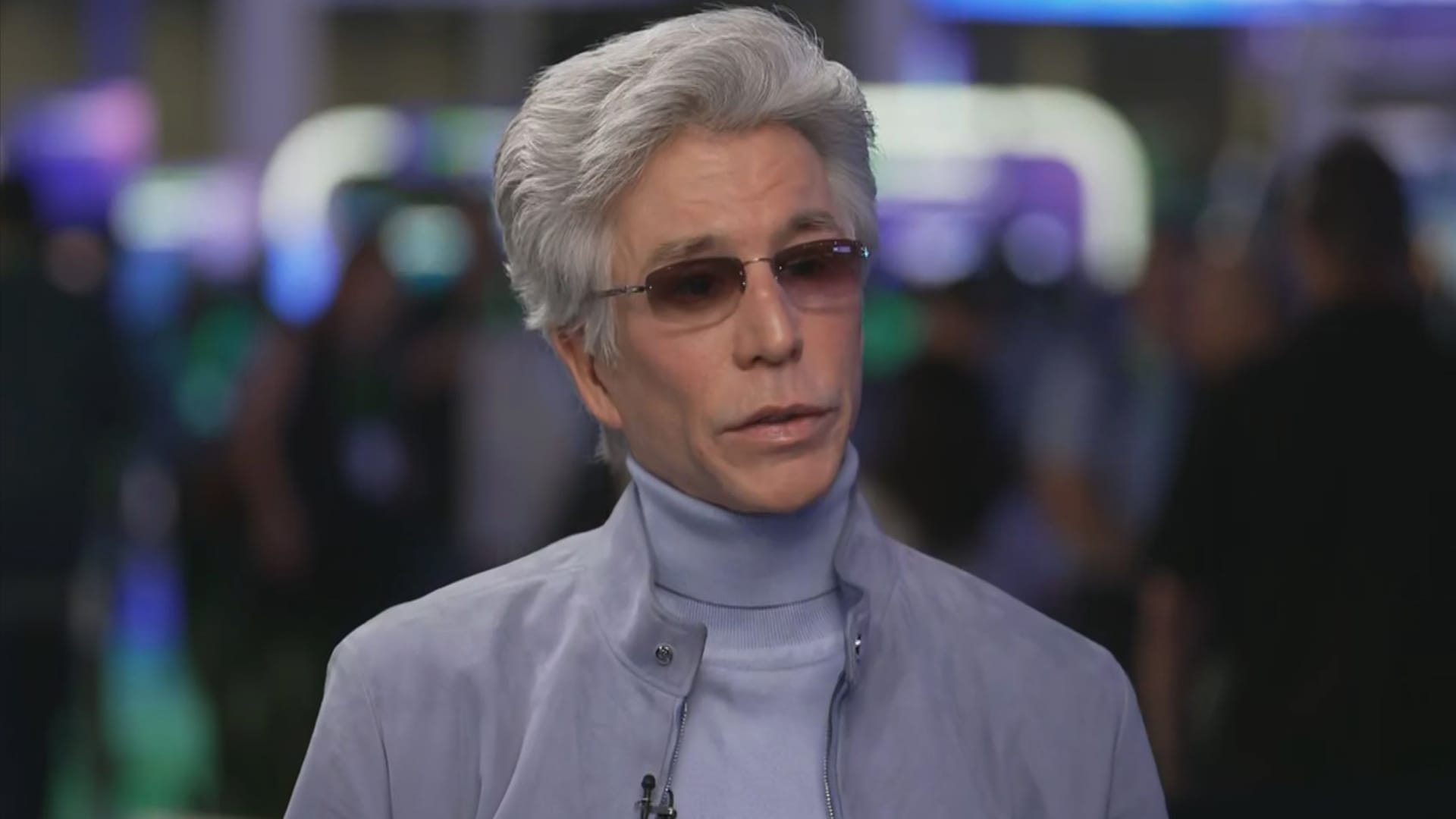
Steve Eisman, who became famous for "The Big Short", believes that artificial intelligence trading is approaching a "turning point", but he is not yet ready to bet directly on its decline.
In an interview with CNBC's Squawk Box on Thursday, he said, "I have become much more conservative in my investment portfolio. We have taken hedging short positions on many of our holdings, which significantly reduces our risk. However, I have not taken a net short position in anything."
Eisman is mainly concerned about cutting-edge algorithm models. He believes that these companies are taking advantage of the fear of their technology among outsiders to build a competitive regulatory moat against more cost-efficient products, while also concealing some deteriorating fundamentals. Executives in the tech industry have issued similar warnings.
He stated that in the initial IPO reporting documents, Anthropic left the latest revenue figures blank, but he believes these figures will show a significant slowdown compared to the previous quarter. Other data in the report also point to issues with capital efficiency, he said.
Eisman Quoted an analysis he obtained, which stated that the ratio of revenue to equipment expenditure was 2.08 in the second quarter and dropped to 1.7 in the third quarter, indicating a clear change in trend.
However, Eisman said that he dare not make a clear short-selling judgment on the trades involving AI, as it is too closely linked to the entire market. He stated that the technology sector cannot be completely isolated from the broader stock market and the overall economy, which is "impossible."
"There are too many people on the other side of the market, and everyone is still guessing. I think we are getting closer to that point. I believe Google's data is scaring people," he said.
Alphabet experienced a significant drop in its stock price after releasing its financial report on Wednesday. Prior to that, its core advertising business had already seen a substantial decline. The reason for this was that as AI searches began to replace internet searches across its various products, advertising revenue was affected negatively.
Google executives said on Wednesday that they are conducting experiments to figure out how to respond.
Google Chief Commercial Officer Philipp Schindler said, "It is worth noting that the strong growth in AI mode inquiries has had an impact, as we saw lower monetization capabilities in AI mode. Our advertising experiments have shown promising results."
Eisman also indicates that some parts of the S-1 file recently submitted by Anthropic were found to be 'extremely negative' by him, as the file did not contain many indicators for the next quarter that could more clearly reflect the company's recent financial situation.