












Waymo is adding Toyota bZ4X to its fleet of robotic taxis. Toyota will produce a customized electric SUV in Japan, integrating Waymo Driver directly into the production line, and the test fleet is set to begin operations locally in 2027.
This is the first model to be actually launched following the cooperation agreement signed by the two companies last year. It also provides a Japanese-made car for the launch of Waymo in Tokyo, and subsequently, the range will be expanded to the UK and other markets as well.
From "exploration" to building cars
When Waymo and Toyota initially announced their cooperation in April 2025, it was merely a preliminary agreement aimed at "exploring" collaboration in the field of autonomous driving, including personal vehicle ownership. There were only intentions at that time, with no actual products in sight.
Now there are products available. According to the announcement from Waymo, Toyota will produce these vehicles at its Takao factory located in Toyota City, Aichi Prefecture. The autonomous driving hardware mentioned in Waymo will also be installed and integrated at the same location, rather than being retrofitted elsewhere later on.
The focus of operations in 2027 is to test and verify this autonomous driving bZ4X fleet in Japan. The UK and other " Waymo markets" will see progress in the following years, but no specific timelines have been provided yet.
The two companies also stated that they will continue to collaborate on autonomous driving technology for Toyota's personal vehicles and will advance safety projects with Toyota's software departments Woven by Toyota.
Co-CEO Waymo Dmitri Dolgov stated: "Toyota's commitment to zero traffic accidents aligns deeply with the philosophy of Waymo."
Waymo currently has four platforms.
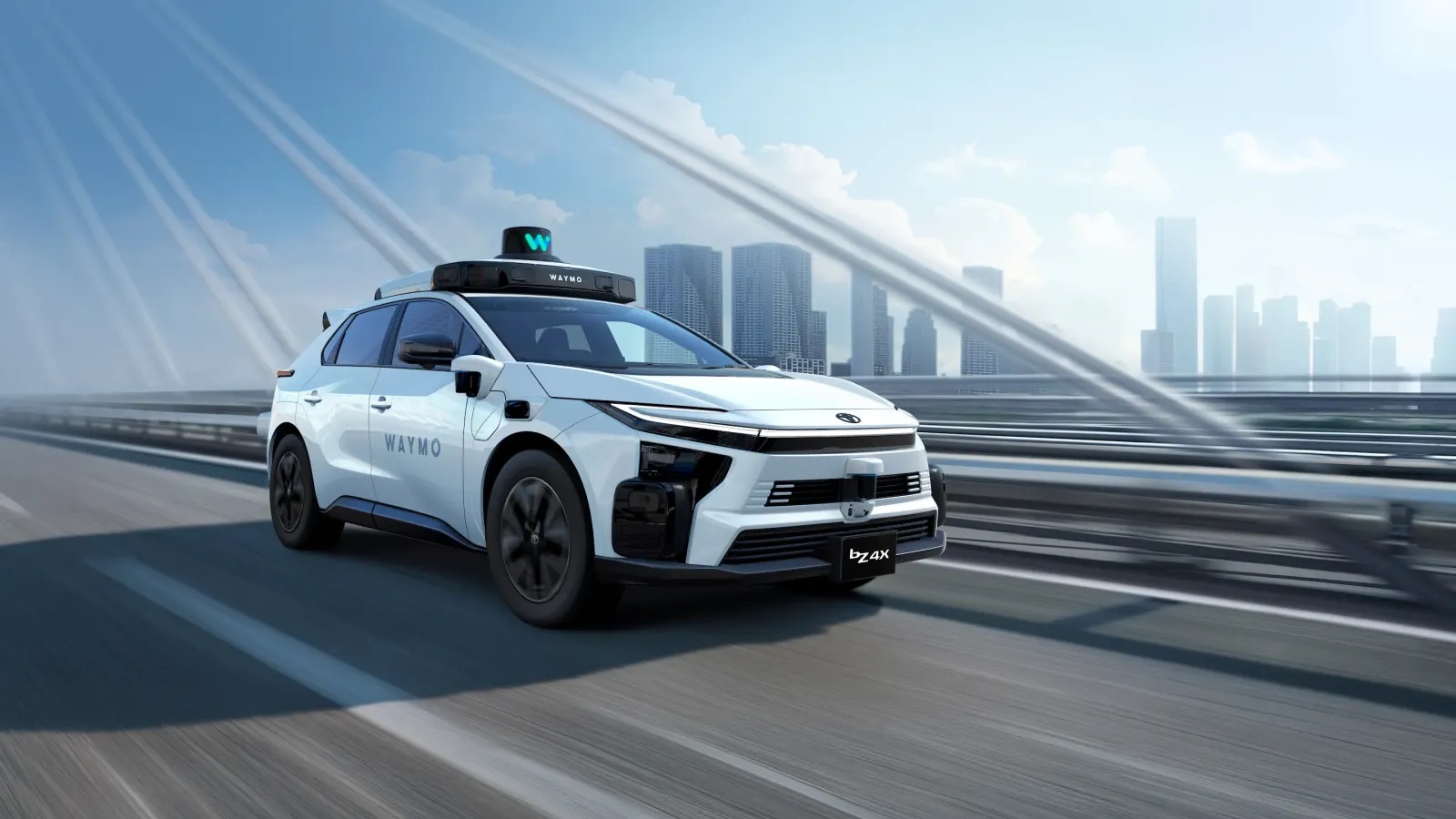
This schedule coincides with Waymo's plans in Japan. Waymo stated in September that the goal is to launch a fully autonomous commercial ride-hailing service in Tokyo by 2027 in collaboration with taxi operator Japan Transport ( Nihon Kotsu ) and ride-hailing app GO , with the scale to be expanded to about 100 vehicles, provided that regulatory approval is obtained.
In the United States, the fleet of Waymo is still primarily composed of Jaguar I- Pace SUV, which has since been discontinued. Waymo is also increasing its lineup with Ojai vans manufactured by Zeekr and Hyundai Ioniq 5. There are reports that Hyundai is in talks to supply up to 50,000 Ioniq 5 robotic taxis by 2028.
bZ4X has increased the model platform of Waymo to four. This is not the first time Toyota has used bZ4X for robot taxis: earlier this year, Toyota and Pony.ai ( Pony.ai ) began mass-producing robot taxis based on bZ4X in China.
For American readers, this revised model is sold in the United States only under the names Toyota and bZ, with a starting price of $34,900. When you try to expand your fleet, a low-cost, high-volume basic model is very important.
And Waymo is indeed expanding. The company currently provides over 500,000 paid rides per week in 15 metropolitan areas of the United States, and earlier this month, it selected Toronto as its first city in Canada, with a goal of making it available to passengers by 2028.
Views of Electrek
This is a big deal, although bZ4X's level of excitement is probably about the same as that of a toaster.
The current biggest limitation for Waymo is the vehicles. It has been using a fleet built on Jaguar models that are no longer in production, and signing up with each new automobile manufacturer means an increase in production capacity that it doesn't need to build itself. Toyota is the automobile manufacturer with the highest global sales volume. Having Toyota produce vehicles compatible with Waymo on its own assembly lines is precisely the kind of industrial partner that Waymo needs.
That's right, bZ4X didn't have a smooth start (Toyota recalled the first batch of vehicles in 2022 due to potential wheel detachment issues). But now it has come a long way – it has become plain and reliable. And for robot taxis, being plain and reliable is precisely what matters most.
This contrasts with Tesla's approach: a two-seater vehicle without a steering wheel, produced internally by Tesla, along with a self-certified autonomous driving system, yet its operational scale is still far from that of Waymo. Waymo, on the other hand, continues to integrate its driving system into the existing electric vehicles of established automakers and expands gradually across cities. So far, this strategy has been effective.
Judging from the current situation, it seems that Toyota will take over the production of Waymo Driver vehicles for right-hand drive markets. However, what interests me the most is the aspect of personal vehicle use. Toyota and Waymo have been mentioning this, but there is still no specific content available. If Toyota really incorporates Waymo Driver into cars that are available for purchase, then Tesla's claims regarding FSD Supervised will be even harder to promote. Will this happen before the end of this decade? Who knows?
If you want to buy an electric vehicle, charging it with household solar energy can bring the fuel cost down close to zero. With electricity prices rising by nearly 10% last year and expected to continue to climb, installing solar panels is one of the best ways to protect yourself from increasing costs. Moreover, through leasing and the PPA program, you can start with zero down payment and start saving money immediately. If you're looking for the best option, you can check out EnergySage. This is a free service, with hundreds of selected installers competing for your order, so you can save 20% to 30% compared to searching on your own. There will be no sales calls before you choose an installer. Click here to get a free quote.
FTC: We use car alliance links that generate revenue. For more information.









