For many years, the traditional view on electric motorcycles has been quite simple: create an electric motorcycle that is just as good as a fuel-powered one and at a price that is affordable to the public, and eventually riders will switch to electric ones.
This is basically also the path that electric vehicles have followed. Once electric vehicles become competitive enough, the market will eventually move in that direction.
But I believe that we have been misperceiving electric motorcycles. The future of electric motorcycles may not lie in convincing today's fuel motorcycle riders to switch to electric ones, but rather in targeting the next generation of riders who, from the start, have no reason to come into contact with fuel-powered vehicles at all.
The importance of this matter is greater than it sounds. In fact, this is precisely the key to solving the problem. Because there is no doubt that the future of motorcycles lies in electrification, although the way it will be achieved will not be what most people imagine.
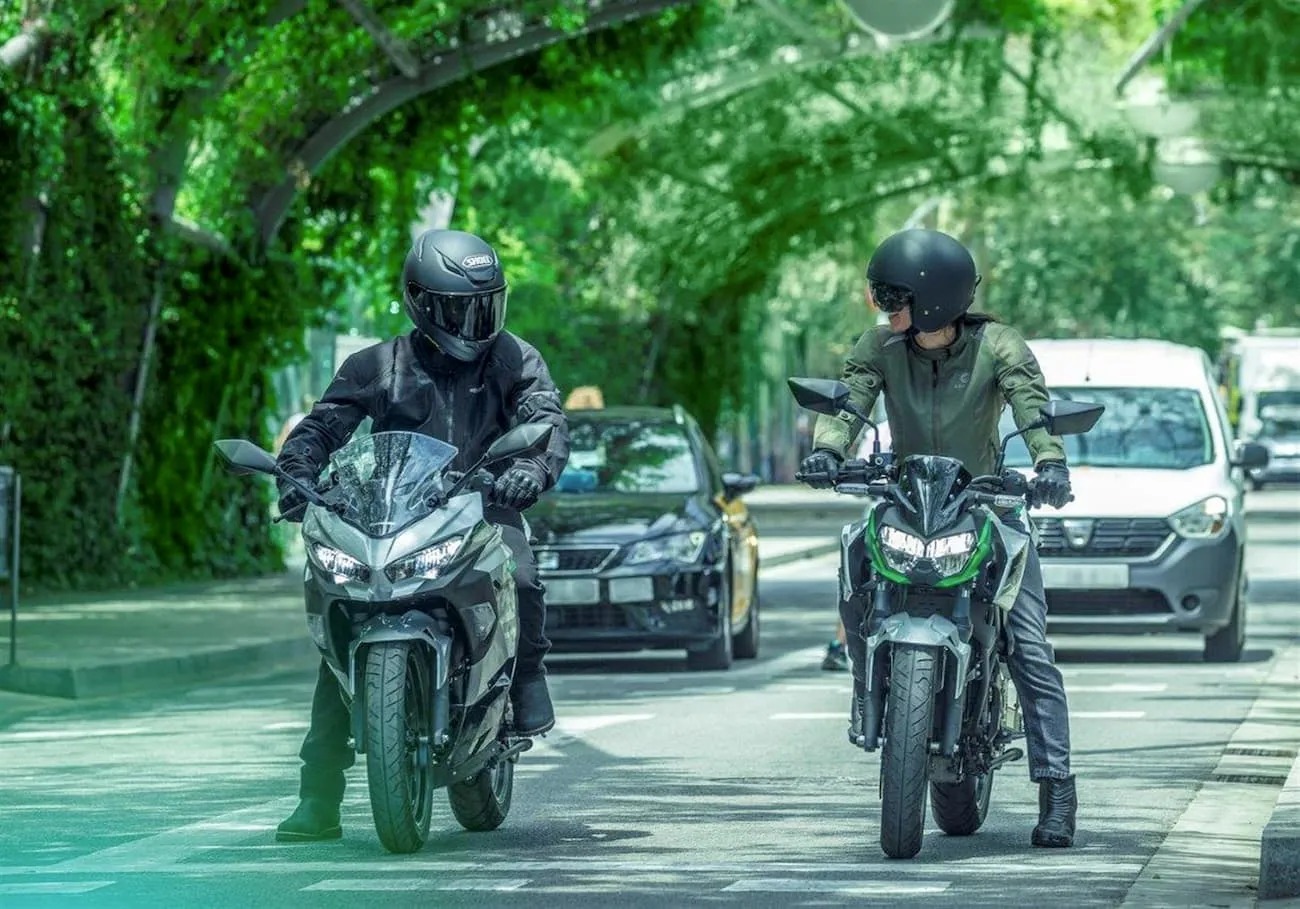
Motorcycles are not cars.
Applying the concepts of electric vehicles to motorcycles presents a problem, as motorcycles are not cars.
For most people, a car is a tool, a means of transportation. Of course, there are some drivers who are very obsessed with their cars, but they are in the minority. The vast majority just want a comfortable, reliable, affordable, and convenient vehicle to take them from point A to point B.
Motorcycles, especially in markets like the United States and Europe, are different. In fact, this is the complete opposite of the situation with cars. For a minority of riders in the West, particularly in the United States, motorcycles are a tool; but for the vast majority, they represent a passion. People buy motorcycles mainly because they have a deep love for them. And for many riders, this passion is closely tied to the fuel engine itself.
Sound, vibration, gear shifting, a mechanical feel. These are not necessarily shortcomings that need to be engineered out. For traditional riders, they are part of the experience itself.
You can show such people an electric motorcycle that accelerates faster, has lower maintenance costs, is cheaper to use, and can even be charged at home, but they might still not want it.
It's not that electric motorcycles are not good enough, but rather that they are not something that they truly love.
There's nothing wrong with that. If you like fuel-powered motorcycles, that's not a bad thing at all. But it means that trying to convert these riders to something else is likely to be a losing proposition, at least over any meaningful time scale.
Regrettably, it seems that many years have been wasted on this path. Take Harley-Davidson as an example.
Over a decade ago, this company began working on its first electric motorcycle – which is quite commendable among other traditional motorcycle manufacturers that scoffed at electrification. In 2018, when this Harley-Davidson LiveWire was launched, it received a lot of positive reviews, but sales were not satisfactory. One reason was its outrageous price, costing up to $30,000. However, another main reason was that, no matter how outstanding it was, it couldn’t satisfy the “fuel addiction” that most riders still held onto.
This motorcycle still exists in the form of small-scale production today, continued to be sold by Harley's electric sub-brand LiveWire under the name of LiveWire One. However, now LiveWire has realized that the real path to driving larger sales volumes of electric motorcycles lies in its S4 Honcho series. This also leads to the way in which electric motorcycles can truly replace fuel-powered motorcycles.
The next generation doesn't have that kind of burden.
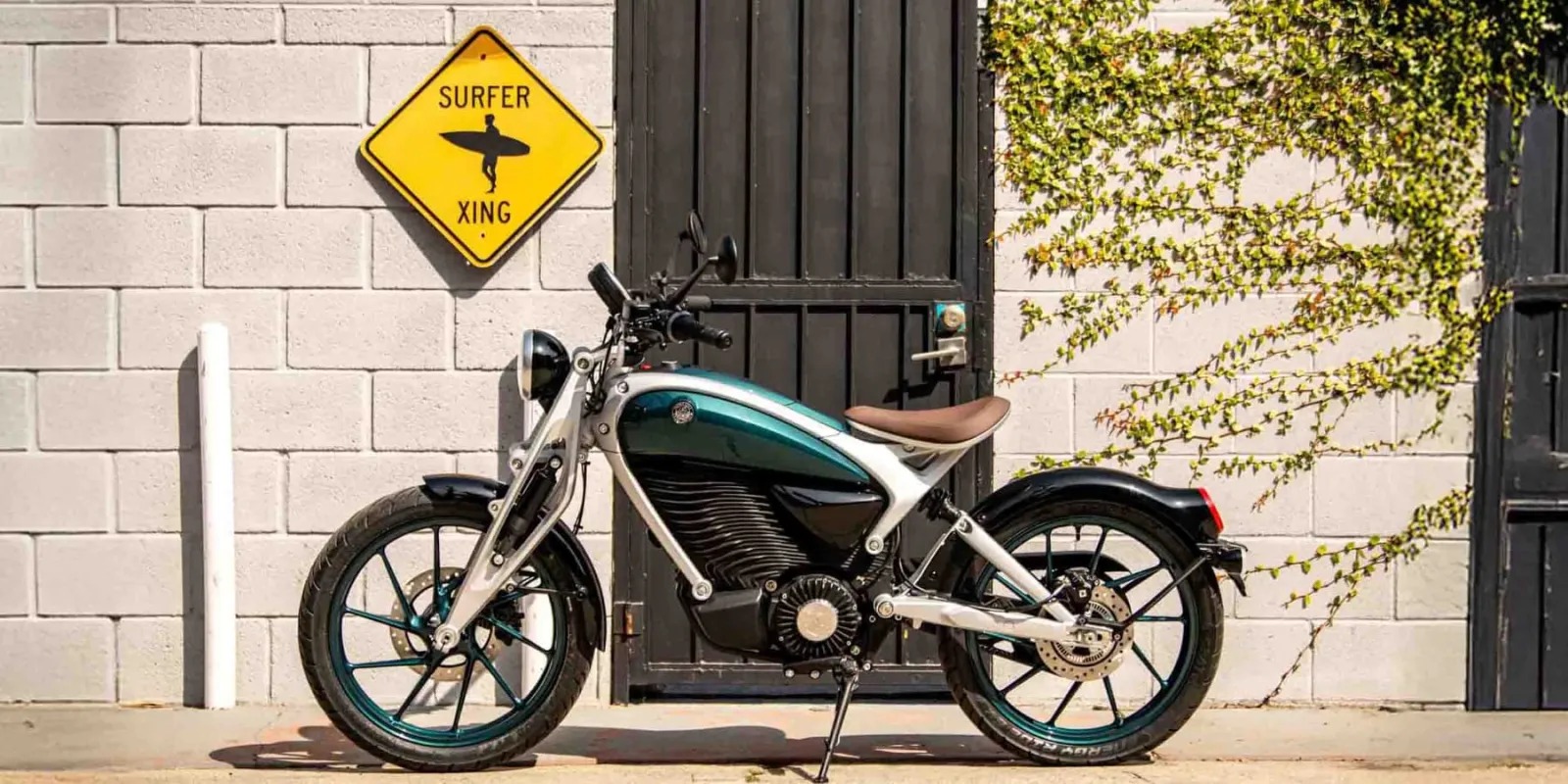
Let's take a look at what's happening to today's young riders.
Millions of people have grown up in an environment surrounded by electric bicycles, electric scooters, and increasingly powerful electric two-wheeled vehicles. For them, electric two-wheeled vehicles are not some strange new alternative; they are simply considered regular two-wheeled vehicles.
They have become accustomed to instant torque, quiet operation, and the simple experience of just turning the throttle to get going. For these riders, fuel motorcycles seem ridiculously primitive. It’s like handing you a fuel-powered drill or a fuel-powered mixer. Yes, that’s exactly what I mean. Now let’s see who suddenly sides with the battery camp, huh?
So, we have a whole generation of new riders who are about to grow up. In the end, many of them will want to go one step further.
Maybe they've been riding electric bicycles at 28 miles per hour or electric motorcycles at 40 miles per hour for many years. Now that they've grown up, they want to ride on faster roads and also need a vehicle that can reach speeds of 70 or 80 miles per hour and is truly legal to use on the road. They've transformed from 16-year-old teenagers wearing hoodies to 26-year-old adults in shirts. Back then, they were going to high school; now, they're going to work. But they haven't lost their desire to ride.
So, what is the natural next step?
Electric motorcycle.
It's not because they carefully compared electric and fuel-powered motorcycles and concluded that electric ones are superior. Nor is it because they want to save the earth or reduce maintenance costs. It's simply because the two-wheeled vehicles they have been exposed to since they were young have always been electric.
This is merely a natural extension of their riding style over the years.
Will a small number of them turn to fuel-powered motorcycles? Of course. But for most people, fuel-powered motorcycles won't even be considered at all.
Fuel-powered motorcycles will not make a grand exit.
Don't get me wrong, we haven't yet seen the end of fuel motorcycles.
Moreover, I don't think that electric motorcycles will suddenly sell more than fuel-powered motorcycles just because they are objectively better machines. At least in the traditional leisure motorcycle market we are discussing here, that won't be the case.
On the contrary, I believe we will see a more gradual generational transition.
Today, fuel motorcycle enthusiasts will generally continue to ride them. They will continue to purchase, maintain, and enjoy these motorcycles as long as they are still able to ride them.
However, as these riders gradually withdraw from the motorcycle world, the next generation will not be replaced by another generation of fuel motorcycle buyers. In other words, fuel motorcycles will age along with their riders.
More and more young riders have entered the world of powered two-wheeled vehicles through electric bicycles and electric scooters. When they are ready to upgrade, electric motorcycles will be waiting for them.
And in the coming years, technology will only continue to improve. The only remaining Achilles' heel of electric motorcycles – battery range – will continue to be improved with advancements in battery technology and as we move towards solid-state batteries.
By then, they will be on par with fuel-powered motorcycles in terms of range and “recharging time,” and will also outperform fuel vehicles in other aspects. But at that stage, “better” will no longer even be important, because for the vast majority of new riders, electric vehicles will be the only comfortable option. To reiterate, once you’ve known for a lifetime how convenient and efficient lithium-ion batteries are in power tools, you won’t go ahead and buy an electric drill that is driven by a gasoline engine.
Over time, the traditional fuel motorcycle market will continue to shrink due to the aging of its existing customer base, while electric motorcycles will build up a completely new customer base in its place.
Of course, there are exceptions in both directions. Some riders who have always used fuel-powered vehicles will enthusiastically embrace electric motorcycles, while some younger riders will still find the charm of fuel engines and shifting gears.
But the broader trend will be driven more by generational turnover than by user conversion.
This is why electric motorcycles will ultimately become the standard, even though they have never truly convinced most fuel motorcycle enthusiasts to switch over today.
Fuel-powered motorcycles are not necessarily going to disappear just because electric motorcycles have finally defeated them in their own “game.” They will gradually fade away because the next generation of riders is playing a completely different “game.”
In other words, to borrow the words of T.S, fuel-powered motorcycles will not make a grand exit; instead, they will fade away quietly.
FTC: We use automated affiliate links with commissions. For more information.