Tesla's driving assistance systems in Europe can no longer be set to operate at speeds exceeding 50% of the speed limit. Dutch regulatory authorities RDW confirmed today that they have approved an update that sets the upper limit for speed tolerance at 10% and officially renamed " FSD Supervised " to " Tesla Assisted Driving ".
These changes occurred a few weeks before the EU member states were due to vote on the approval of the system across the entire EU, and they are also in line with the conditions set by Germany last month.
RDW Confirm 50% of the settings
The notification from RDW is the most explicit official confirmation to date, explaining the configuration of the system when the Dutch regulatory authorities approved FSD Supervised on April 10th. The so-called “speed tolerance” allows the system to deviate from the detected speed limit by up to +50% for reasons of “safety and traffic flow.” On highways with a speed limit of 100 kilometers per hour, this means a maximum speed of 150 kilometers per hour; on urban roads with a speed limit of 30 kilometers per hour, it means a maximum speed of 45 kilometers per hour.
The new name will be displayed on the in-car screen, in the owner's manual, and in other driving information of vehicles equipped with HW4 hardware. Tesla pushes these updates through over-the-air upgrades.
"Slight changes"
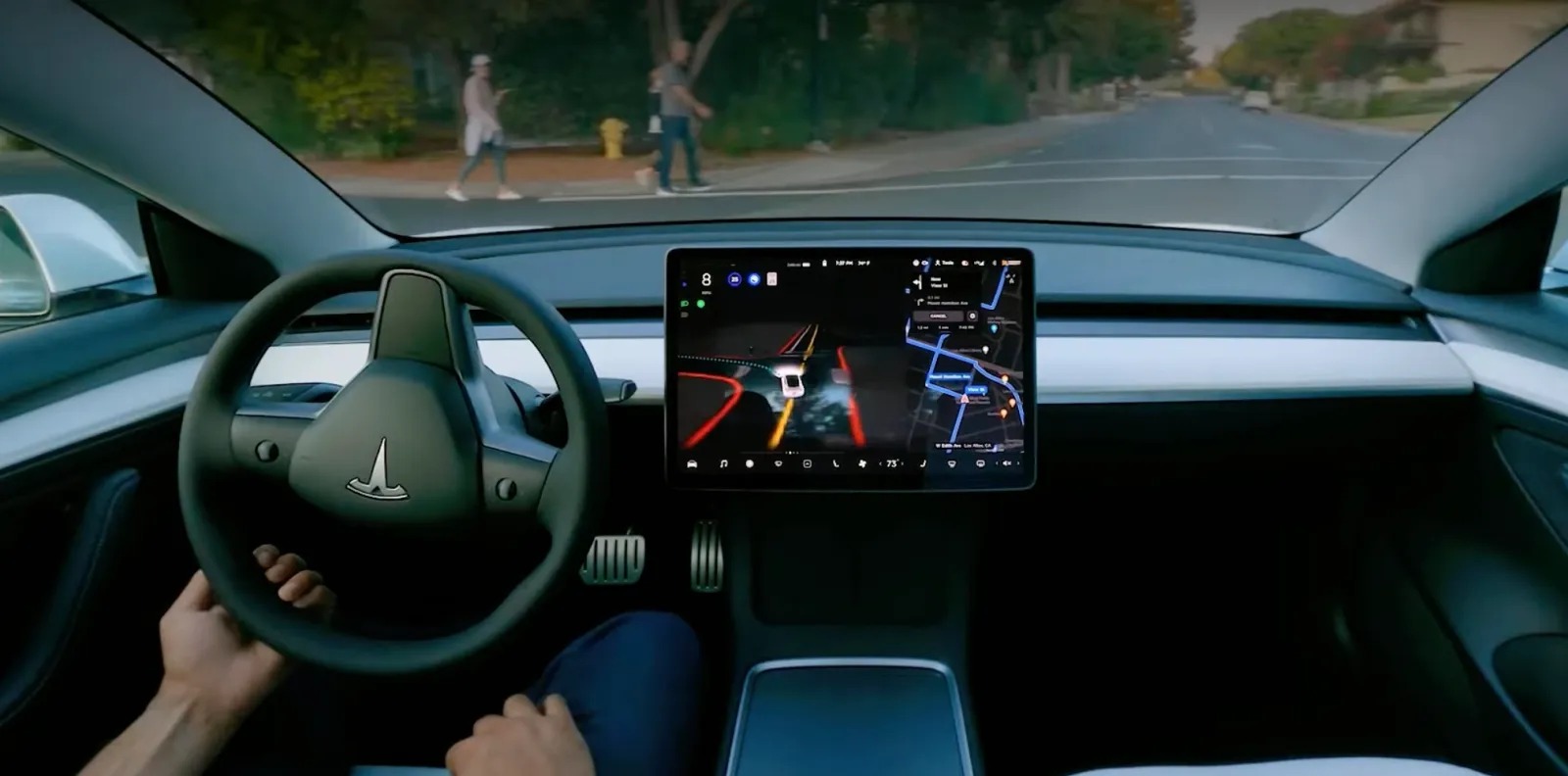
RDW described this update as "several minor changes" that Tesla requested them to evaluate. Regulatory authorities stated that they have reviewed the implementation and did not find any adverse or unexpected effects, and have incorporated these changes into the existing type approval without making any modifications or extending the approval period. RDW also emphasized that the name change will not alter the functionality of the system; it remains a driving assistance system, and drivers are still responsible for their actions.
RDW has notified the 9 member states that approved it: Belgium, Croatia, Czech Republic, Denmark, Estonia, Latvia, Lithuania, Slovakia, and Slovenia. Including the Netherlands, there are a total of 10 countries, which is more than the 8 at the beginning of October.
Decisions at the EU level are still in the hands of the Motor Vehicle Technical Committee ( TCMV ). RDW stated that these discussions are confidential and no comments will be made. As we reported earlier, the EU has postponed the voting until at least December, and a qualified majority is required for approval: at least 15 out of 27 member states must support it, and these countries must represent at least 65% of the EU's population.
Excessive speed has always been a major point of opposition.
Speed has always been the biggest issue Tesla faces in Brussels. In June, Sweden requested that the EU reject FSD, unless Tesla removes the ability to set speeds above the legal limit. In September, a pedestrian safety organization in Brussels found that in 55% of the 30-kilometer-per-hour speed limit sections they tested, there was speeding, even though the system had previously been approved in the countries where it was used. France, on the other hand, refused to recognize the Dutch approval on the grounds of speeding on urban roads.
Subsequently, on October 6th, the German Transport Ministry stated that it would support the EU's approval after Tesla agreed to abandon the name “Full Self - Driving”. The ministry argued that this name was misleading, and Tesla also agreed to set the upper limit for speed tolerance at 10%. Today's update implemented both of these requirements.
However, 10% is not the standard required by Sweden. Sweden prefers that there be no speed limits that exceed the prescribed limits at all. Some European countries are known for their strict enforcement of speed limits.
Views of Electrek
That's good, but it only solves part of the problem. Tesla's biggest current challenge, FSD, is that it cannot correctly identify speed limits.
If you don't know the actual speed limit, then setting the upper limit 10% higher than the speed limit doesn't make much sense.
Renaming is necessary on a global scale, and it was long overdue. “Tesla Assisted Driving” better describes the actual functionality of the system. Meanwhile, Tesla is still selling similar software in the United States under the name “Full Self - Driving ( Supervised )” for $99 per month. If this name is misleading in Berlin, then it is also misleading in California.
From the actual results, this update has essentially secured Tesla's support in Germany. The question in December is whether the 10% limit is sufficient to be accepted by France, Italy, and Spain, or whether Sweden's zero-tolerance stance will prevail.
If you are purchasing an electric vehicle, using home solar power can reduce fuel costs to nearly zero. Last year, electricity prices rose by nearly 10%, and it is expected to continue to rise. Installing solar energy is one of the best ways to counter these increasing costs. Through leasing and the PPA program, you can even start with zero down payment and start saving money immediately. If you want to find the best option, you can check EnergySage. This is a free service, and hundreds of selected installers will compete for your business, so you can save 20% to 30% compared to searching on your own. There will be no sales calls before you choose an installer. Click here to get a free quote.
FTC: We use automated affiliate links that can generate income. For more information.