Key Points
- The U.S. economy added 165,000 new jobs, exceeding expectations.
- Unemployment rate drops to 4.1%, wages rise
- The probability of the Federal Reserve raising interest rates in December is close to 80%.
The U.S. economy created 165,000 new jobs in October, nearly three times what economists were expecting, which also strengthens the case for the Federal Reserve to raise interest rates again in December.
According to a report released by the U.S. Bureau of Labor Statistics on November 6, non-farm employment increased by 165,000, while the median estimate in a Reuters survey was 65,000. The unemployment rate also fell from 4.2% to 4.1%.
These unexpectedly strong data figures prompted traders to increase their bets on a rate hike in December. Shortly after the data was released, the futures market indicated that the probability of a 25-basis-point rate hike was around 80%.
U.S. employment beats expectations by 100,000; hiring accelerates
The employment growth in October was higher than the average monthly increase of 48,000 people over the past 12 months, indicating that despite economic uncertainties, recruitment continues to be strong.
The professional and commercial services sector added 70,000 new jobs, healthcare added 42,000, and the transportation and logistics industry contributed another 25,000 jobs.
The government also revised upward the non-farm employment data for August and September by a total of 84,000 jobs.
Among them, the increase in September was revised upward from 29,000 to 60,000, and the valuation in August was revised upward from 133,000 to 186,000.
This improvement continues the stronger employment trend observed in earlier US employment reports by Coinpaper. At that time, the unexpectedly resilient hiring drove up yields on US Treasury bonds.
The wage growth rate has also accelerated. In October, the average hourly wage increased by 0.4% month-on-month and by 3.1% year-on-year.
However, the annual wage growth rate is still lower than the inflation rate of 3.7% in September, indicating that household purchasing power is still under pressure.
The probability of the Federal Reserve raising interest rates has risen to 80%
A stronger labor market gives Federal Reserve policymakers more room to focus on inflation rather than supporting employment.
According to Reuters, interest rate futures indicate that the probability of a 25-basis-point interest rate hike in December is about 80%, which is higher than the approximately 75% before the report was released.
U.S. Treasury yields initially rose after the data was released, with the two-year yield climbing to around 4.52% and the 10-year yield approaching 4.88%.
Previously, U.S. Treasury yields had risen to 5%, sparking concerns in the market about increased borrowing costs for various financial assets.
Higher interest rates will increase financing costs and at the same time reduce the relative attractiveness of high-valued growth stocks.
After the recent contraction in the valuation of artificial intelligence stocks, this concern is particularly noteworthy, as investors re-evaluated the future profits of technology companies at that time.
What Does Strong Employment Mean for Stocks and Bitcoin?
The financial market's reaction to these employment data is mixed.
Nasdaq initially rebounded from the record selling on Thursday, with NVIDIA and semiconductor companies leading the gains. The latest stock market reports from Coinpaper provide detailed explanations for this.
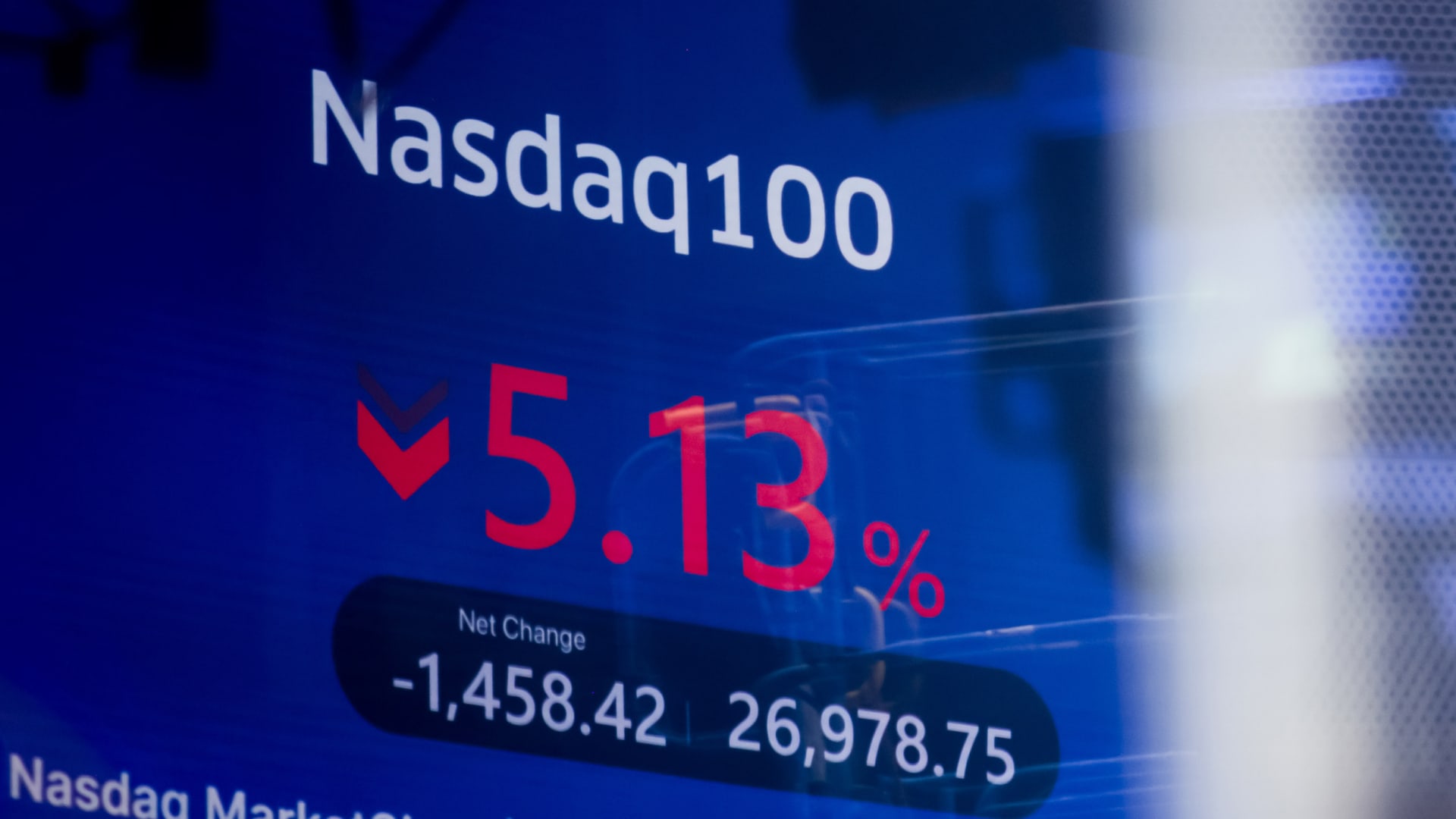
However, higher interest rate expectations may complicate this round of rebound, especially after the Nasdaq 100 index has entered a correction zone.
As investors reassess risks, cryptocurrencies also face uncertainty.
In recent times, Bitcoin has seen a capital outflow of $430 million, indicating that institutional sentiment was already quite fragile before the release of employment data.