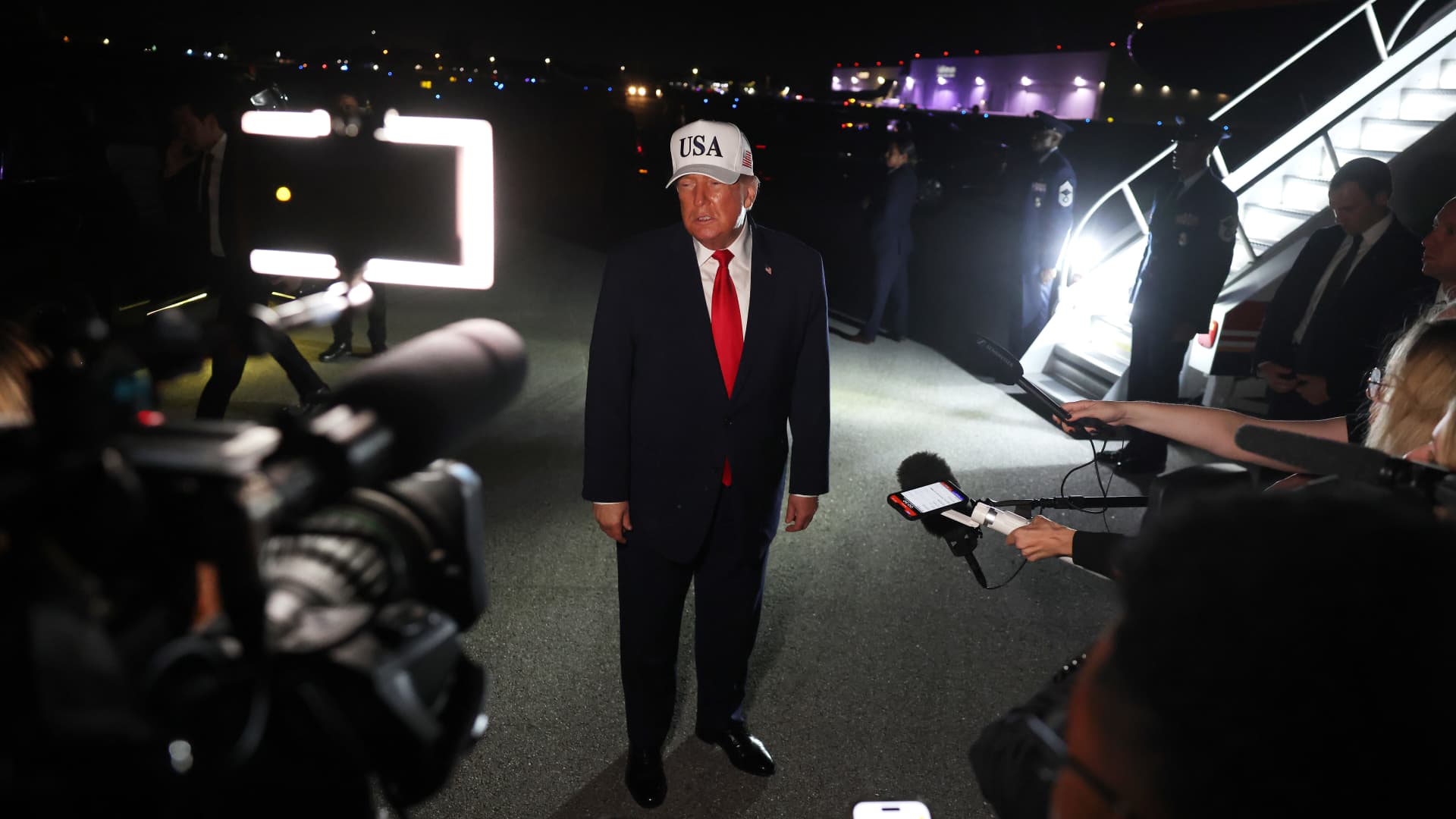
IT News on November 7th: On November 5th, Geely Automobile Group officially signed a strategic cooperation framework agreement with the Earth System Numerical Prediction Center of the China Meteorological Administration.
The two parties have jointly launched the industry's first 'ZhiXiang-XingRui Traffic Meteorology Large Model', which focuses on extreme meteorological scenarios such as icing and fog. This model can achieve real-time monitoring and alerts of the meteorological conditions at the lane level, providing support for further enhancing driving safety under complex weather conditions and the reliable operation of autonomous driving systems.
For areas where visibility drops suddenly, black ice forms on certain bridge surfaces or in shaded sections of roads, and heavy rain causes water accumulation in localized areas, creating "visible weather but unclear road conditions," the "ZhiXiang-XingRui Traffic Meteorology Large Model" has currently developed a product that provides lane-level visibility, black ice, and heavy rain risk warnings—known as the "Ultra-Range Safety Warning" function. This function can intelligently detect dangerous road conditions such as icing through multi-vehicle communication and issue proactive alerts.
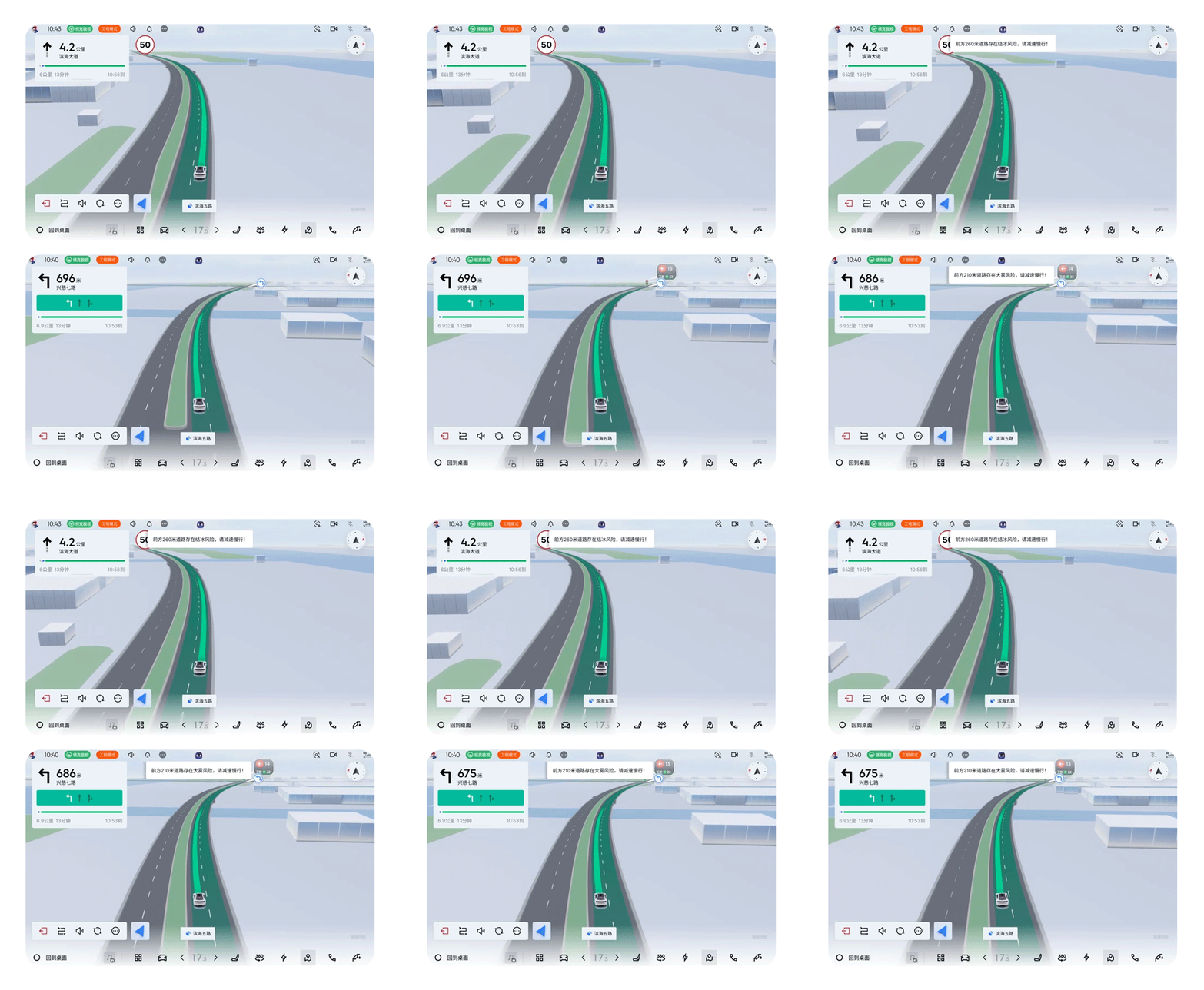
IT has learned that this model is planned to be mass-produced first on the Lynk & Co 900L, and in the future, it will gradually be applied to models of multiple brands such as Geely, Galaxy, Lynk & Co, and Krypton.
In addition, in the first quarter of next year, Geely Automobile Group will also jointly release the industry's first "general meteorological model" with the Earth System Numerical Prediction Center of the China Meteorological Administration.
In the future, both parties will also jointly promote the implementation of the national standard proposal for "Data Collection and Processing Specifications for Meteorological Environment of Intelligent Connected Vehicles," striving to establish a technical path and standard solution that suits the actual needs of the domestic industry in the field of in-vehicle meteorological observation.