Key Points
- The United States collected over $12 billion from Venezuela's oil and natural resources sales in the first nine months of 2026.
- Approximately $12.11 billion has been allocated to Venezuela.
- The arrangement has come under scrutiny due to the non-disclosure of the oil buyers.
The United States collected over $12 billion from Venezuela's oil and natural resources sales in the first nine months of 2026. A report released by the U.S. State Department on Thursday, November 12, revealed this information.
The Trump administration subsequently returned nearly 99% of this funds to Venezuela, although Washington still retains control over how the funds are allocated.
This report was prepared by the accounting firm KPMG and represents the most detailed public explanation of this financial arrangement to date. The arrangement was established after U.S. forces captured Venezuelan President Nicolas Maduro in January.
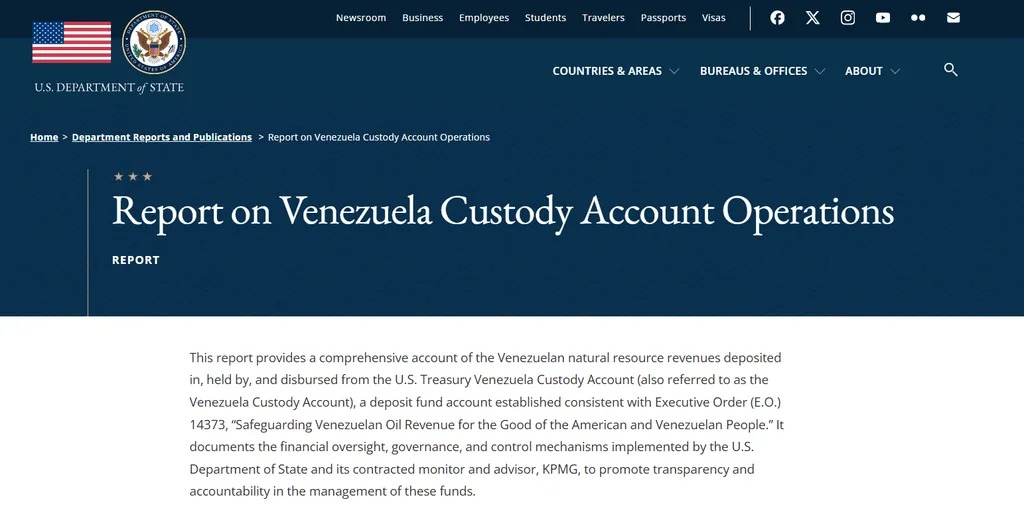
U.S.-managed Venezuelan resource revenues reached $12.26 billion
The report states that between January 3 and September 30, 2026, approximately $12.26 billion flowed into accounts controlled by the United States. Of this amount, over $12.1 billion came from oil, petroleum products, and natural gas. Other revenues included $108 million from gold, $22 million from minerals, and $24.6 million from fertilizer sales.
According to the agreement reached with the provisional government of Venezuela, international buyers deposit the funds into an account managed by the U.S. Treasury Department.
Subsequently, Venezuelan authorities requested approval to utilize these funds for government operations, infrastructure projects, and other approved expenditures. As of September 30, approximately $12.11 billion had been allocated, with another $168.6 million still held in custody by the United States.
Where did $12 billion go?
Most of the revenue is distributed through foreign exchange transactions involving Venezuelan commercial banks. These funds will be used to support economic stability and domestic enterprises. In addition, $133 million is directly used for the services and procurement of supplies by the Venezuelan government.
Approved expenditures include $5 million paid to the Miami-based law firm Greenberg Traurig, nearly $24 million for dialysis and coal mining equipment, and $8.7 million to settle outstanding debts for vaccine purchases.
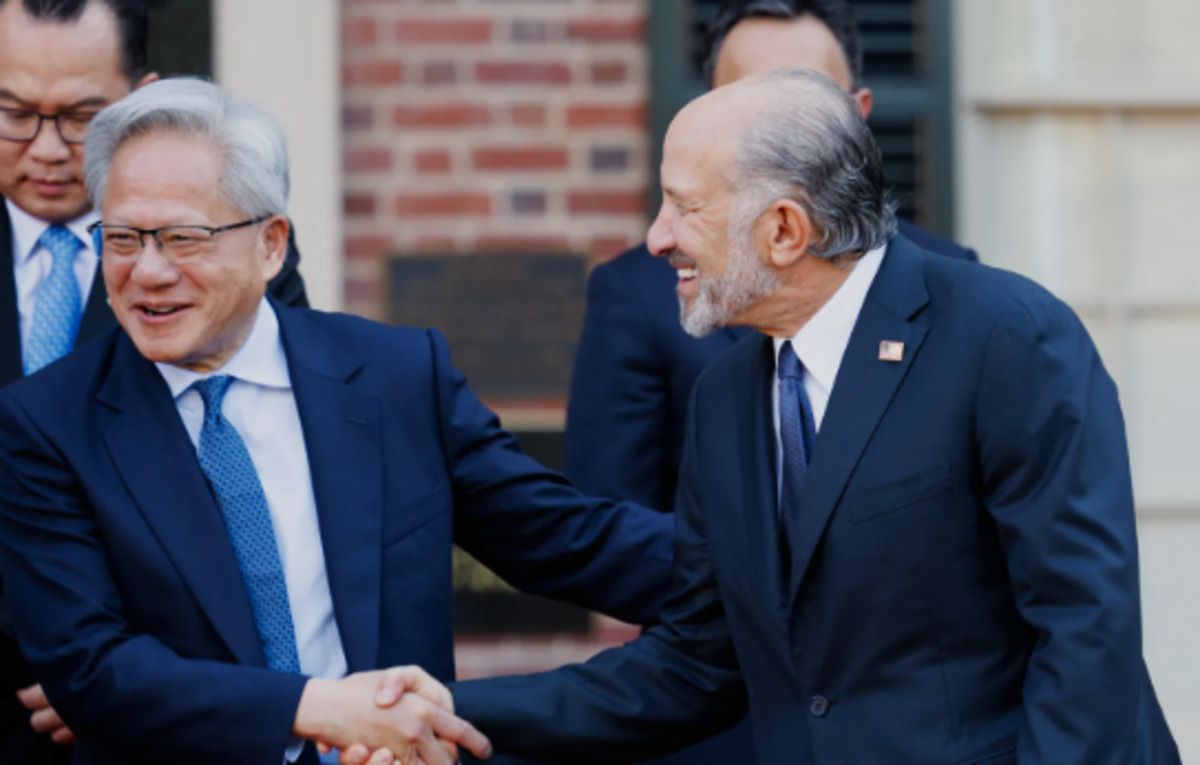
Although these funds legally belong to Venezuela, U.S. Secretary of State Marco Rubio still retains the authority to release them.
U.S. Secretary of State Marco Rubio
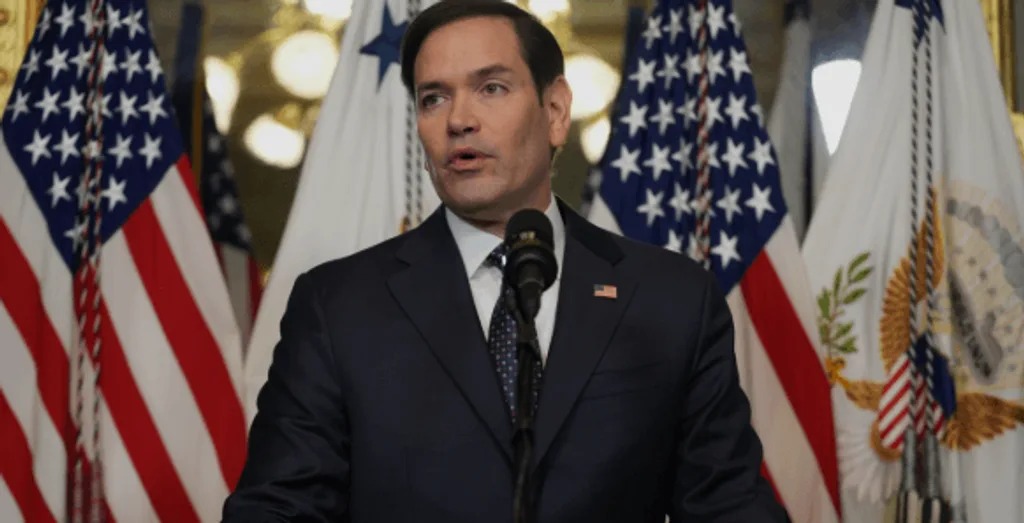
The U.S. State Department defended this arrangement, stating that it supports essential public services, economic stability, and the reconstruction of key sectors.
Questions about transparency arise over the arrangement of oil revenue
The report also raised questions about the companies involved in the sale of Venezuelan oil.
Publicly released documents concealed the identities of about 20 buyers. However, The New York Times reported that commodity trading giants Trafigura and Vitol accounted for most of the revenue. Reuters reported that a trader from Vitol's relationship with Vice President JD Vance helped the company obtain authorization to trade Venezuelan oil.
Despite the government's claims that these financial control measures help prevent corruption and support economic recovery, there are still some doubts regarding who the ultimate beneficiaries of these transactions are.
Danielle Walgenbach
Danielle is a journalist who covers cryptocurrency and financial markets. With over four years of reporting experience, she is adept at breaking down complex financial and economic topics into clear, well-researched stories.