













From most aspects, the content provided by the micro-series startup Shortical is no different from that of its competitors. The company produces soapy, drama-filled stories—almost always with somewhat explicit love plots—and presents them in short episodes of two minutes each, keeping viewers glued to their phones, not wanting to miss the latest twists and turns in these vulgar and suspenseful tales.
Shortical was established last January, and its main source of profit is through subscriptions. Typically, the first 7 to 10 episodes of a micro-series can be watched for free; thereafter, if users wish to watch the entire series, they must pay a small monthly fee to unlock all content on the website.
Over the past year, the company has released a series of popular real-person romance-themed works, such as Crossing, the, Line, with, My Neighbor, Accidentally Married My Boss, Spoiled, by, and My Billionaire Sugar Daddy.
However, recently, the company's homepage has been filled with content generated by AI. The reason is not difficult to understand: compared to content filmed by real people, the production cost of AI content is much lower; if it can attract viewers, the profit margin will also be much greater.
The latest micro-series premiered in Los Angeles last week. Titled “Inevitable”, this series is starring Israeli film and television star Aki Avni. Avni has been active in American television series for many years, having made a brief appearance in the Fox drama “24” which deals with the 9/11 theme. Now, he is attempting something that is almost unheard of in modern Hollywood: licensing his facial image to Shortical for use in their AI content.
This project, entirely created by AI, uses Avni's facial technology to generate a digital avatar. In Inevitable, he plays himself – and the plot is also quite "meta-narrative": the actor Aki Avni grants his face rights to a film company, and then a series of thrilling events unfold one after another.
This is Shortical's first attempt at such an authorized transaction, but it is very likely not the last time.
Avni told TechCrunch in a phone interview that he was both nervous and excited about this project. “Listen, this represents a new era for artists,” said the actor, “AI is a new form of art. It’s a new format. It’s always great to be a pioneer of something.”
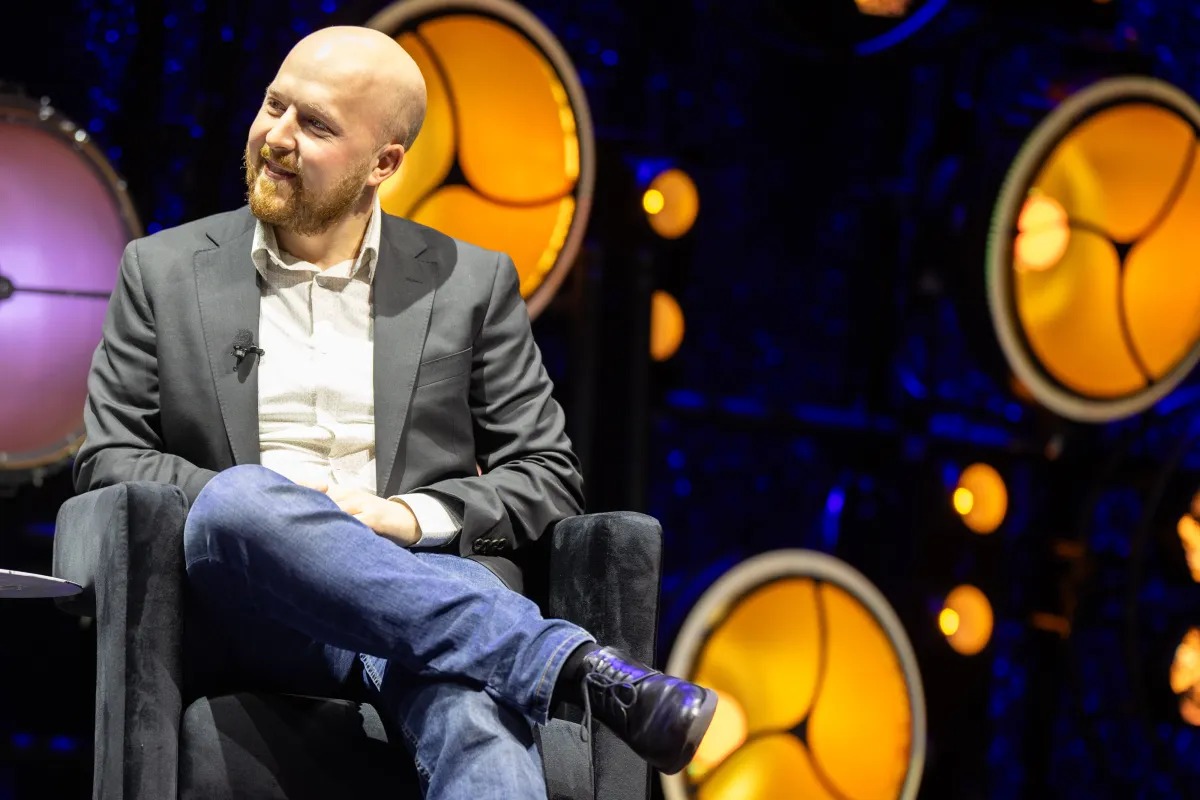
Shortical The Chief Executive Officer Guy Shimoni emphasized the creative potential of this new tool. “One of the benefits of AI is that it allows smaller teams to produce works of film quality,” Shimoni said, “Previously, when we created real-person content with a focus on mobile devices, we were limited by budgets, but now we can offer epic fantasy stories. We have kingdoms and dragons. We have superheroes. We also have werewolves.”
But if it's a werewolf romance story generated by AI, who on earth would read such a thing?
Obviously, there is a considerable audience. Although China has the largest audience for micro-short dramas in the world, Shimoni indicates that the majority of his platform's viewers are actually in the United States. The demographic of the audience in this industry is clearly skewed towards females. Many viewers may enjoy these dramas in the evening as a way to relax and get a slight dose of dopamine stimulation before going to bed. Many AI generated programs that already exist on the company's website seem to have millions of views each.
Today, Shortical is betting on the emergence of a new generation of creators – those who, like Avni, are willing to relinquish their right to their own image in exchange for compensation. The Shortical website states "Authorize Your Face" and explains that interested individuals can submit their social media accounts to the company, which will then decide whether to provide a "contract outlining the terms of using their personal image" for the company's AI content generation.
A company representative told TechCrunch that this “service is still in its early stages, and no contracts have been signed yet.” The representative added, “For this drama co-produced with Aki, Shortical is using real-person portraits for the first time; this was accomplished by reaching a direct agreement with them, rather than through the platform. Shortical hopes that this drama will draw more attention to facial licensing and plans to promote this service more actively after this release.”
This trend is already quite common in China, the birthplace of micro-short dramas, where AI generated content is very popular, and facial authorization has also become a trend. However, this trend may not necessarily be particularly profitable for creators. A recent report by Rest of World found that micro-short drama companies pay people between $15 and $700 for facial portrait authorization.
Shortical will pay how much for face authorization transactions? The company has not disclosed this information. As for whether Shortical will provide creators with royalties similar to what is paid for missing episodes of TV dramas, Shimoni only replied vaguely: "It depends on the specific circumstances."
Another representative further explained to TechCrunch that the company does not wish to "reveal the amount of this specific contract, which is Aki". However, this representative stated that he joined "as a project partner, and his compensation is in line with the industry standards for similar non-AI actor roles".
But for other actors, such transactions may be very different. At the same time, many creators also feel uneasy about the inevitable infiltration of automation into their industry. Until recently, micro-series seemed to be a safe and entry-level path into the entertainment industry, where young actors could gain experience and refine their acting skills on set. Nowadays, companies are downsizing, and the content produced no longer even requires real actors.
Jennifer Cooper, who has long been paying attention to this industry and founded the consulting company Vertical Drama Love, pointed out that there is a significant amount of distrust of AI both among the audience and within the micro-video industry itself.
“Everyone has been affected by AI,” she said, “Many of us have either lost our jobs due to AI or we can see that it has destroyed this industry – turning micro-series into something that is now rare in the world, yet once a growing sector that provided job opportunities, especially for young people... It’s been completely ruined, you know.”
The issue of consent regarding portraits has also been plaguing this industry (some creators claim that their portraits have been misused), and this is clearly a problem that Shortical aims to address by launching a new facial authorization service.
However, these authorized transactions may also lead to a further “gig economy” within the industry: creators pay a fee to distribution platforms in exchange for the opportunity to have their content (or their faces) featured, and then they receive a share of the revenue based on the audience interaction they generate. Shortical has recently collaborated with a company called Payouts.com, which claims to be a “payment infrastructure platform that supports large-scale payments for creators and the gig economy.” The two parties plan to establish a system that will allow creators to seamlessly connect to the Shortical platform and receive compensation for their work.
Cooper believes that the driving force behind this industry's transformation towards AI comes from broader financial trends. The micro-short drama business is mostly dominated by startups, and venture capitalists prefer to hear about growth plans that include automation. "Now, anyone who wants to get investment in the micro-short drama field has to mention the word AI," she says, "In everyone's eyes, AI is like gold."
Despite the large amount of investment attracted to this field, Cooper still doubts whether there is truly such a vast audience in the market to consume this type of content. “Some of it does have viewership, but many don’t,” she said when discussing AI content. “I think it’s more like forcing the content on the audience, rather than the audience actually having a need for it or wanting it.”