Washington Picks Crypto Custody Winners as Federal Trust Charters Expand
逃离重力
04-03 19:39
Ai Focus
Washington expands federal crypto custody oversight as OCC approvals place Coinbase, Crypto.com, and others into the national trust race.
Helpful
No.Help

Washington has moved further into crypto custody, but the shift is not entirely new. Recent actions by the Office of the Comptroller of the Currency, or OCC, show that federal regulators are now deciding which crypto firms can move toward national trust charters. Those charters would let approved firms operate as federally supervised custodians across the United States.

The latest step came on April 2, 2026, when Coinbase received conditional OCC approval for a national trust company charter. Reuters reported that the approval would let Coinbase operate as a federally regulated crypto custodian if the charter is fully granted. The company also said the charter would not turn it into a normal commercial bank because it would not accept retail deposits or use fractional reserve banking.

That followed another recent move. On February 23, 2026, Crypto.com said it had received conditional OCC approval for a national trust bank charter. Reuters reported that the approval would allow the firm to move toward federally supervised custody and trade settlement services, though it still could not take cash deposits or issue loans like a traditional bank.

Federal Crypto Custody Gains Speed

These approvals matter because they show Washington is building a federal lane for crypto custody. A national trust charter gives firms broader reach than a state trust structure. It also gives institutional clients a clearer regulatory framework for holding digital assets, settling trades, and using custody services under OCC oversight.

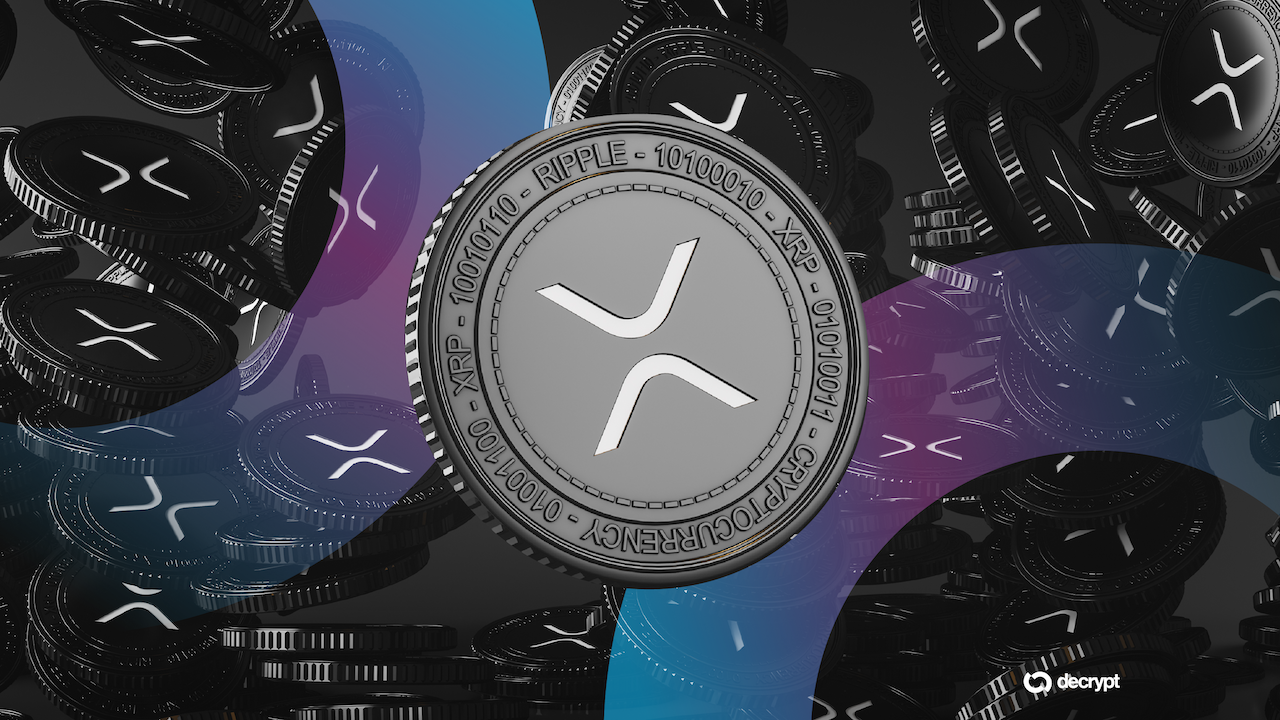
Still, this is not a brand new policy. Reuters reported on December 12, 2025, that the OCC had already granted initial approval to Ripple and Circle to establish national trust banks. It also approved applications from BitGo, Paxos, and Fidelity Digital Assets to convert state trust charters into national ones.

So the recent Coinbase and Crypto.com approvals are better seen as the next phase of an existing trend. Washington started opening this path in 2025. Now, in 2026, the list of firms moving into that federal structure is getting longer.

What The Charters Actually Mean

These charters do not create full-service banks. Reuters said the approved firms would not be allowed to take deposits or make loans like traditional lenders. Instead, the trust model focuses on custody, safeguarding client assets, and helping settle transactions within a federal supervisory system.

That distinction matters because some headlines make the shift sound broader than it is. Washington is not handing crypto firms normal banking powers. Instead, it is deciding which firms can handle digital assets and related settlement functions under national oversight.

Tip
$0
Like
0
Save
0
Views 178
WalletJYS reminds readers to view blockchain rationally, stay aware of risks, and beware of virtual token issuance and speculation. All content on this site represents market information or related viewpoints only and does not constitute any form of investment advice. If you find sensitive content, please click“Report”,and we will handle it promptly。
Submit
Comment 0
Hot
Latest
No comments yet. Be the first!
Related
Google Survey: Scientists Save Nearly 7 Hours per Week Due to AI; After Efficiency Increases, Experiments Become a New Bottleneck
On September 15th, Google updated AI and Economy ATLAS, and announced a study in collaboration with Google DeepMind and MIT FutureTech. The study analyzed 2,600 professional AI models and surveyed over 600 scientists from the United States and the United Kingdom. The results showed that nearly half of the surveyed scientists used some form of AI daily, and they reported saving nearly 7 hours per week as a result. However, the study also found that with the rapid generation of more hypotheses, there was a backlog in physical experiments, clinical validation, and result verification. This conclusion is more comprehensive than the claim that "AI speeds up scientific research": while models can streamline some mental processes, they cannot automate...
CoinMeta
·2026-09-17 10:16:17
26
OpenAI Testing "Sponsored Agents": Ads No Longer Just Wait for Clicks, but Require Answers in Conversations
On September 16th, OpenAI announced a new round of product updates for ChatGPT Ads, among which Sponsored Agents has drawn the most attention. After seeing the ads, users can proactively enter an agent dialogue sponsored by merchants and clearly labeled with relevant information. There, they can continue to ask questions about size, features, applicable scenarios, etc., before deciding whether to visit the merchants' websites. OpenAI also introduced an ad management plugin, suggestions for copywriting and images, as well as text adaptation features. Additionally, HubSpot and Shopify were integrated into the system. It is important to note that the sponsored agent feature is currently only being tested with some advertisers in the United States and has not yet been fully rolled out to users worldwide or all merchants.
CoinMeta
·2026-09-17 10:14:59
29
U.S. officials say large oil companies may invest in Venezuela
U.S. officials say large oil companies may invest in Venezuela; Brent crude oil prices rose to $108.75, with markets focusing on global supply prospects.
Coinpaper
·2026-09-16 22:28:27
41
Theo Launches Tokenized Silver Product thSLVR
Theo Launches Tokenized Silver Product thSLVR, and Incorporates Related Leased Assets into the Underlying Support Scope of thUSD.
CoinDesk
·2026-09-16 22:26:49
38
Latin American telecom operator VIVA integrates into Avalanche stablecoin settlement network
VIVA connects to the Iris network based on Avalanche, using the stablecoin USDi for settlement and US dollar reserves, indicating that stablecoins are entering the financial management scenario of telecommunications enterprises.
CoinDesk
·2026-09-16 22:26:47
40
View More