

U.S. employment data in August was generally stronger than expected. Non-farm payroll increased by 162,000 jobs, significantly higher than the market's previous estimate of 55,000 to 56,000 jobs. The unemployment rate remained at 4.1%, in line with forecasts. Wage growth was also slightly higher than expected, indicating that the labor market still has resilience.
Employment growth exceeded expectations
The increase in non-farm jobs mainly came from broader employment expansion, rather than being driven by a single industry. After the data was released, concerns about a slowdown in the U.S. economy eased, but judgments regarding subsequent inflation and interest rate paths will continue to be based on employment performance.
Slightly higher wage growth rate
The average hourly wage in the United States rose by 3.1% year-on-year, higher than the forecast of 3.0%; it also increased by 0.3% month-on-month, in line with expectations. The strong wage data indicates that salary pressures have not completely subsided, which also allows the Federal Reserve to retain more room for observation before its September meeting.
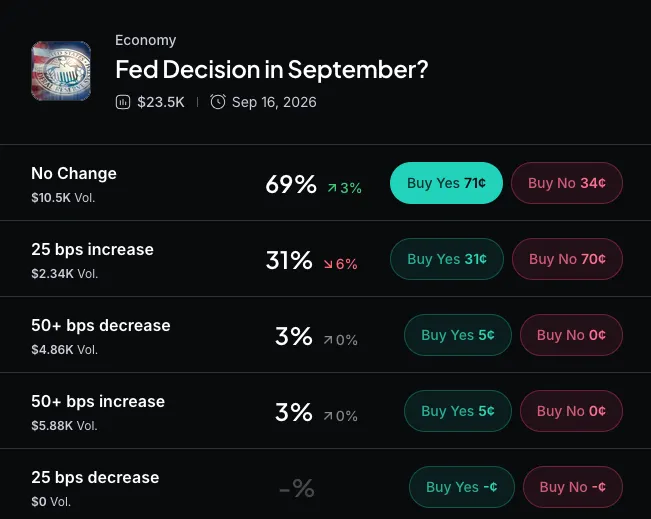
September interest rate decisions are in the spotlight.
This employment report is considered one of the important data points that will influence the Federal Reserve's interest rate decisions in September. If employment continues to show resilience, policymakers may be more cautious about the pace of interest rate cuts; if subsequent data weakens, the market's assessment of when easing measures will be implemented may also be adjusted again.