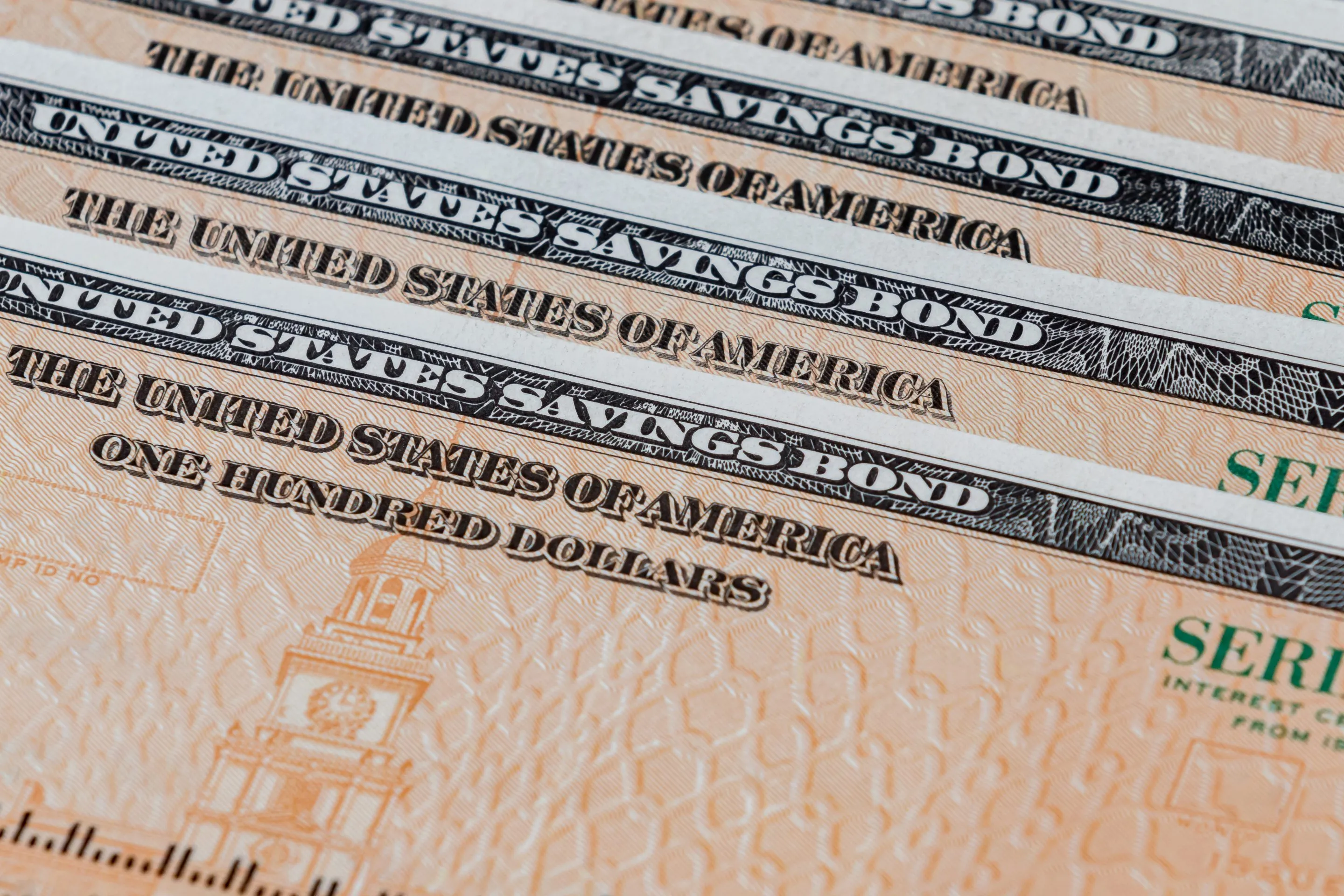


The world's largest sovereign wealth fund is considering adjusting its allocation of dollar-denominated bonds. The investment management company of the Norwegian Central Bank has proposed reducing its holdings of U.S. Treasury bonds and increasing its allocation to higher-yielding debt instruments such as U.S. mortgage-backed securities, while maintaining an overall unchanged exposure to dollar assets.
U.S. debt rating significantly downgraded
According to this configuration plan, the proportion of U.S. Treasury bonds in the fund benchmark bond index is proposed to be reduced from 34.1% to 21.9%. After the adjustment, the weight of government bonds in the overall benchmark bond index will also be decreased from 70% to 50%.
The proportion of eurozone government bonds will also be reduced, from 16.8% to 14.1%. In contrast, the proportion of Japanese government bonds is planned to increase from 4.6% to 7.4%, while the proportion of British government bonds remains unchanged at 4.2%.
The total US dollar exposure remains essentially unchanged.
Despite the significant reduction in U.S. debt holdings, the fund has not significantly withdrawn from its dollar-denominated assets. The plan indicates that the proportion of dollar-denominated assets is expected to be 52.5%, which is close to the current portfolio's 52.9%.
This means that the focus of adjustment is not on reducing dollar risk, but on changing the internal structure of dollar assets, shifting some of the allocation from U.S. Treasury bonds to other types of U.S. debt.
MBS is considered an alternative option.
The fund specifically mentioned US mortgage-backed securities, namely MBS. It explained that the main risk associated with these assets is not default, but rather the risk of early repayment. If interest rates fall, borrowers may refinance at lower rates, leading to early repayment, which benefits the borrowers more than the investors.
Therefore, MBS usually requires additional returns to compensate investors for the risk of early repayment. The fund also notes that such securities are typically guaranteed by Fannie Mae, Freddie Mac, and Ginnie Mae, and their credit quality is close to that of U.S. Treasury bonds.
- The proportion of U.S. Treasury bonds is proposed to be reduced to 21.9%
- The total exposure to US dollar assets remains at approximately 52.5%.
- Government bonds have dropped to 50% in the benchmark bond index.
Attention drawn by the timing of the adjustment
The fund described this change as moving closer to a broader market weight distribution, but the timing of proposing the plan is rather sensitive. The current scale of U.S. national debt has risen to 40 trillion dollars, and the federal fiscal deficit is expected to reach 2 trillion dollars this fiscal year.
At the same time, U.S. President Donald Trump has pushed for additional tariffs on allies and has repeatedly sent signals of tougher foreign and security policies. The article mentions that against this backdrop, the political risks associated with holding U.S. dollar assets are receiving more attention, and some overseas investors are also re-evaluating their long-term allocation of U.S. assets.