

Despite ongoing macroeconomic pressures and cautious consumer attitudes, retail sales are expected to still grow year-on-year during this holiday season, with spending remaining strong.
According to the annual forecasts of Bain and Company, holiday retail sales are set to exceed $1 trillion for the first time, with an expected growth rate of 4.5%. This growth is largely anticipated to come from physical store sales, which account for about 70% of the total, although e-commerce continues to expand its share as well.
Holiday spending is also supported by higher tax refunds. This year, the total amount of tax refunds has increased by $43 billion, a year-on-year increase of 17%, adding more cash to consumers' wallets. Nevertheless, the report indicates that JPMorgan estimates that half of this benefit has been offset by higher gasoline prices, which have significantly squeezed family budgets.
Bain also pointed out that behind the apparent increase in spending is rising inflation, which contributed the majority of that growth. This means that the actual increase in sales volume is weaker than it appears. The categories most affected by inflation and experiencing declining sales include food and beverages, furniture, as well as health and personal care products.
As this consumption forecast was released, Conference Board reported on Tuesday that consumer confidence in September dropped to its lowest level since 2014. Respondents expressed concerns about inflation and employment prospects.
However, the forecast provided by Deloitte is similar to that of Bain, which predicts that holiday retail sales this year will reach $1.7 trillion. The company noted that consumers will arrange their spending in more creative ways, including looking for discounted and reduced-price items.
"As consumers look to get more value for their money, we continue to see behavior across all income levels that seeks cost-effectiveness, including switching between brands and retailers, as well as using promotions to manage spending," said Natalie Martini, Vice Chairman and Head of U.S. Retail and Consumer Goods Business at Deloitte. "These behaviors are expected to shape consumers' holiday shopping habits this season."
The holiday shopping report for Adobe also reflects this trend, with the shopping approach of 'checking cost-effectiveness before placing an order' expected to drive growth and market share this year. The company also stated that as consumers become more mindful of their spending, 'buy now, pay later' transactions are expected to reach a record of $21.3 billion.
The holiday forecast report from AlixPartners indicates that consumers have smaller shopping carts when checking out, but they shop more frequently, especially when it comes to grocery shopping. They are also shifting from high-end brands to private labels and purchasing fewer items of higher quality.
AlixPartners, the head of fashion retail, stated: "Consumers are not cutting their spending evenly across all categories. They have become more selective when it comes to treating themselves, and they are striving to control their budgets while maintaining quality." Sonia Lapinsky
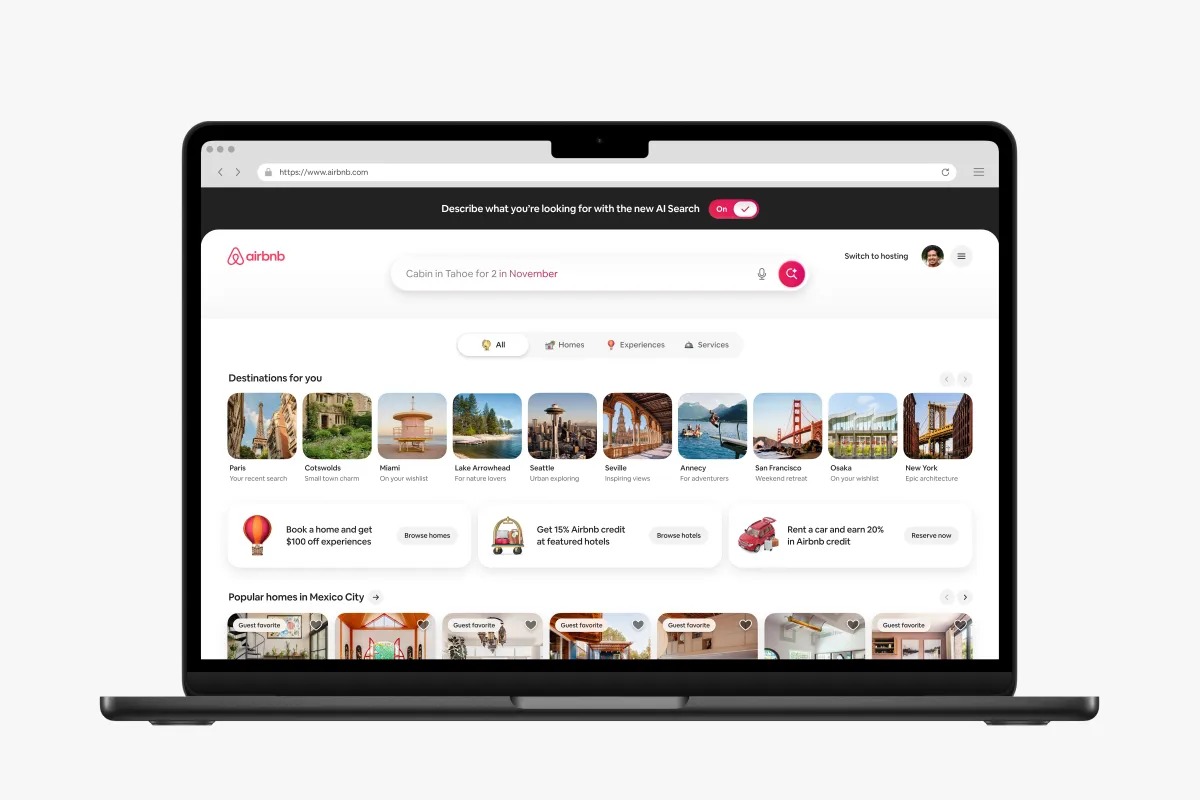
Artificial intelligence will also become a theme in the process of discovering and purchasing products during this year's holiday season. According to data from Adobe, the AI of retail websites in August drove a 127% year-on-year increase in traffic, and it is expected to grow by 130% throughout the holiday season, with a 141% year-on-year increase on Thanksgiving Day.
A holiday report from PwC indicates that 29% of consumers plan to use AI at some point during this year's holiday shopping, which is higher than last year's 22%.
However, consumers use AI in different ways for shopping: PwC indicates that 75% of shoppers use it to research products, and 55% use it to compare prices.
However, the company pointed out that despite people's strong desire to explore new technologies, the majority still do not purchase goods directly through the AI platform.
The report states: "For now, AI is more like a knowledgeable friend in a mall, rather than a cashier."