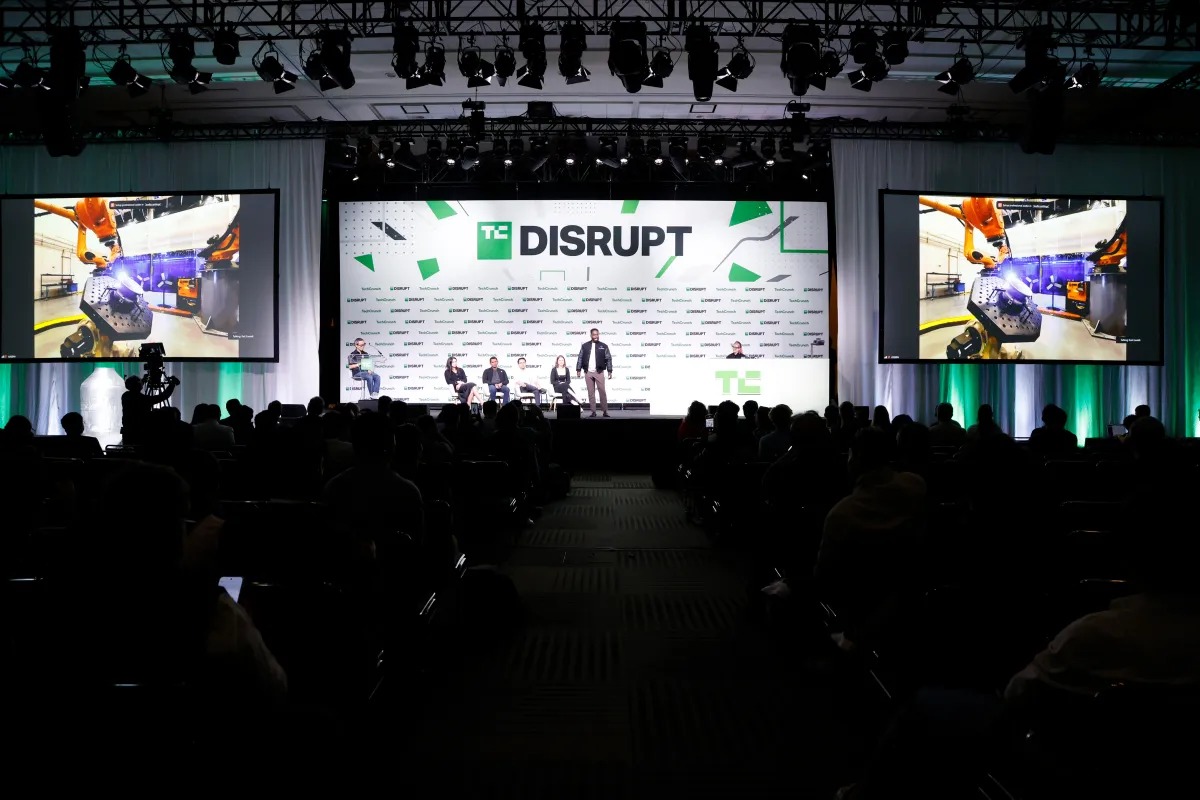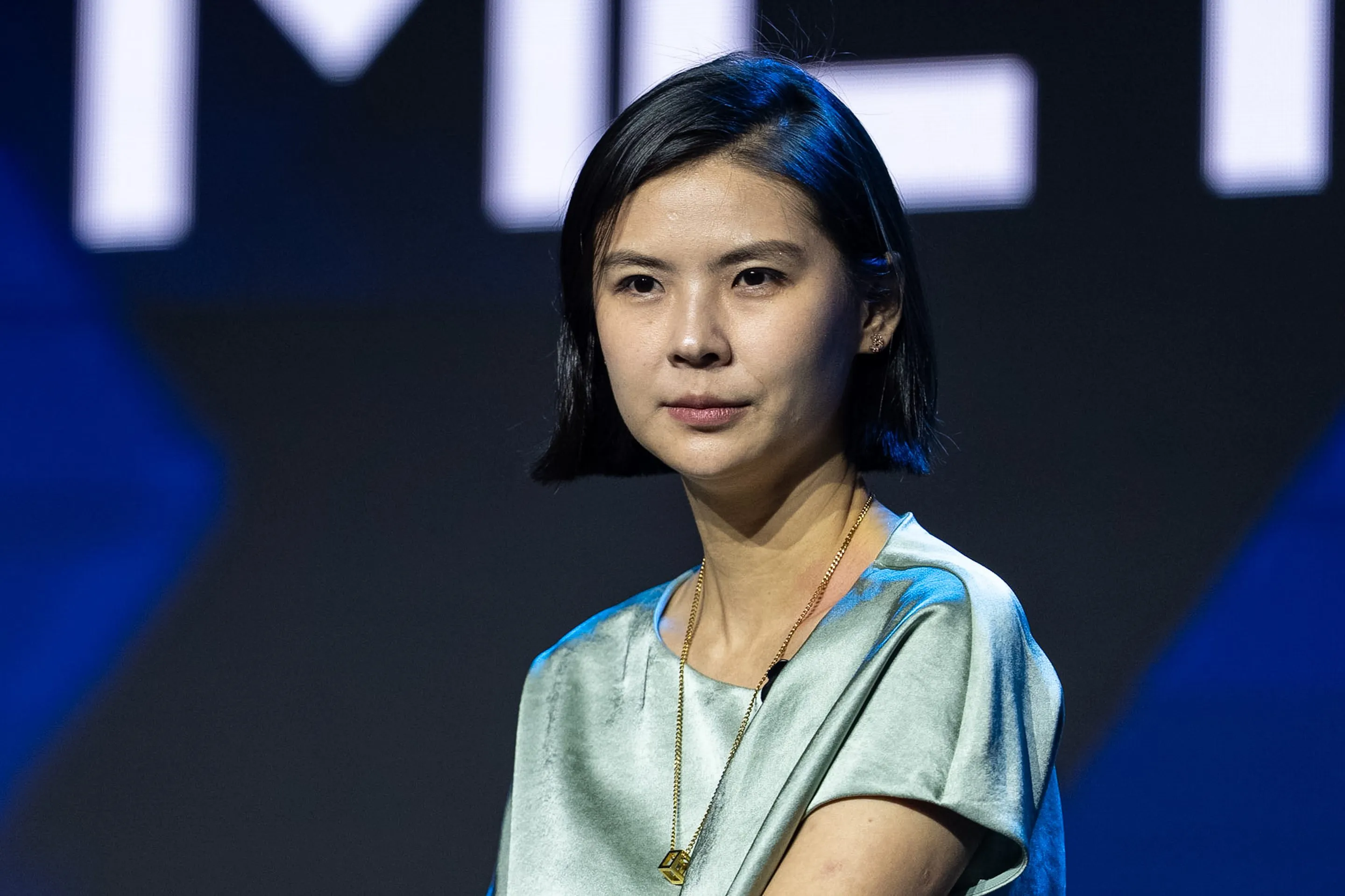


Tricia Wang is active in the Bay Area all year round. As a veteran in the local tech community, she has noticed that professionals in the emerging field of artificial intelligence have strong opinions on many matters, including cryptocurrencies. Wang says: "People from AI hate those in the crypto community. I can't even describe how much they despise them. Whenever 'blockchain' or 'cryptocurrency' is mentioned, they see you as a complete loser."
The statement is quite strong. However, AI's aversion to the crypto world might be understandable, given that the industry has long been plagued by various scams, not to mention the embarrassing behaviors of many of its leaders. Nevertheless, those who are opposed might want to soften their stance a bit, even if it's just because the blockchain technology that underpins cryptocurrencies could provide solutions to some of the real-world problems in AI's world.
Wang said that until recently, experts still regarded “human-in-the-loop” as the key to preventing such incidents. However, she believes that as the scale of AI expands to trillions of transactions, this approach is not practical; she advocates that machine-to-machine monitoring is the only feasible solution. The question is, whose machines will be responsible for carrying out this monitoring?
Wang believes that there are usually only two mainstream approaches at present: one is "trust me bro" – which relies on super-large-scale cloud service providers such as OpenAI and Anthropic to regulate their proxies; the other is "trust those bros" – where third parties like METR monitor what these proxies are doing. However, the approach proposed by her and Advanced AI Society relies on decentralized tools, requiring proxies to verify their authority before performing any operation. This organization refers to this process as "proof of control", and it also ensures that proxies cannot forge their own logs.
Wang says that this type of verification can be scaled up on a large scale, partly because it can leverage technologies developed in the crypto industry, such as distributed ledgers and zero-knowledge proofs. Some people – especially those in the crypto community who are inherently skeptical about AI – might see this as a self-serving scheme, given that the team proposing it includes several blockchain figures, including former Chairman of the US Commodity Futures Trading Commission CFTC, Chris “Crypto Dad” Giancarlo, as well as a former crypto evangelist Sheila Warren.
However, Advanced AI Society seems to be attracting some heavyweight supporters outside of the crypto community as well. Its advisory board includes renowned cryptographers Bruce Schneier and technical theorists Clay Shirky – neither of whom would easily associate their names with projects that are destined to be short-lived. Most notably, the first version of the proof-of-control standard was hosted by Linux Foundation, and Linux Foundation has become an important pillar in the tech industry due to its decades of advocacy for open source.
I admit that judging the best technologies and regulatory solutions for AI proxies has exceeded my area of expertise. However, I can say with certainty that crypto developers have a verifiable track record in creating decentralized technologies that have withstood the test of time in real-world use – the most typical example being Bitcoin – and the AI world should not exclude them too early.
Jeff John Roberts jeff.roberts @ fortune.com @ jeffjohnroberts
DECENTRALIZED NEWS
Robinhood has launched OpenAI and Anthropic proxies in its applications, allowing 29 million customers to trade stocks and cryptocurrencies with them – this move could profoundly change the way investing is done ( Fortune )
Cloudflare launches a tool that allows enterprises to collect USDC fees on behalf of AI ( Fortune )
The New York Times: A new profile about the founder of Binance, CZ, reveals that he suffers from chronic back pain and has to work while lying down. Moreover, his best friend in prison is a Vietnamese bank robber (NYT).
According to a new bullish report from Citibank, Bitcoin is expected to trade at $113,000 ( Fortune ) around this time next year.
MEME O ' THE MOMENT

Like the rest of us, the cat waiting to get its bag: