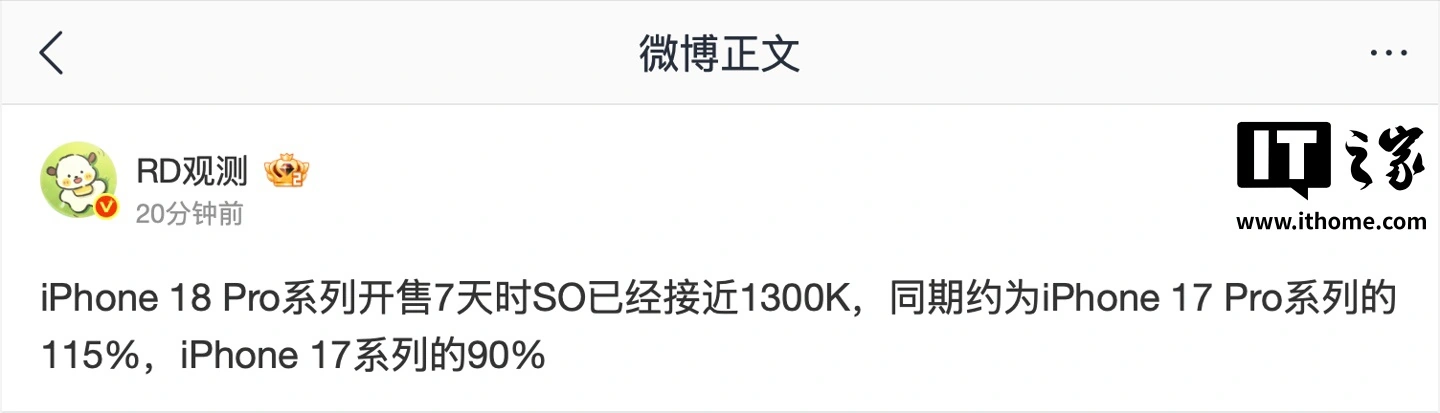
News from the IT Home on October 7th: Lu Fang, the chairman of Lantu Automobile Technology Co., Ltd., stated yesterday that during his vacation he came across reports of some drivers using intelligent driving assistance features while intoxicated, and he considered such behavior to be extremely dangerous.
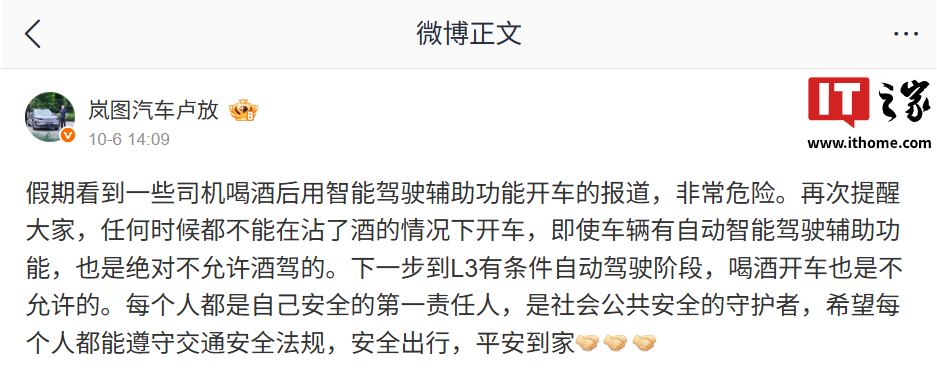
Lu Fang stated that one should never drive after consuming alcohol, even if the vehicle is equipped with automatic intelligent driving assistance features; drunk driving is absolutely not permitted. In the next phase, which is the L3 conditional autonomous driving stage, driving after drinking is also not allowed.
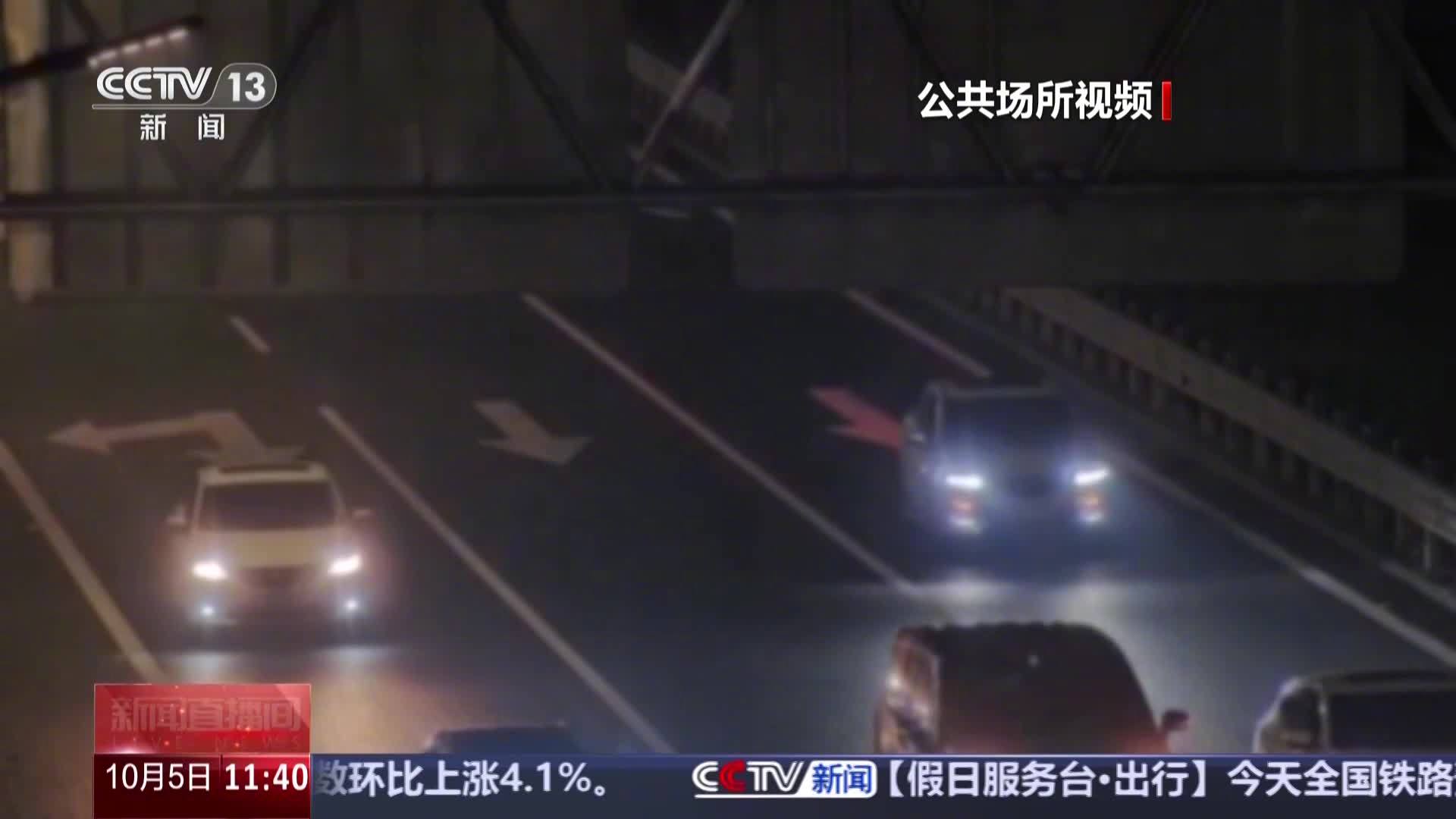
According to a previous report by IT, in Shaoxing, Zhejiang, at around 4 a.m., a person surnamed Qiu was driving a new energy vehicle on the highway with the hazard lights on, driving slowly, and eventually stopped in the middle lane of the highway.
After arriving at the scene, the police conducted a breath alcohol test on the driver, which resulted in a reading of 111mg/100ml. Subsequently, the police took the driver to the hospital for a blood test, and the final blood test result was 123mg/100ml, which met the criteria for drunk driving of a motor vehicle.
According to Qiu's statement, that evening he was dining with friends in Shaoxing and drank about half a kilogram of liquor during the meal. After the dinner, he got into his car and headed onto the highway, preparing to return to Hangzhou, while also enabling the intelligent assisted driving function.
At present, Qiu has had his driver's license revoked by the traffic police, and he is not allowed to take the driving test again within 5 years. At the same time, the court sentenced Qiu to criminal detention for dangerous driving and imposed a fine on him.
IT Note: In February this year, the Supreme People's Court issued its first set of guiding cases on criminal matters related to road traffic safety, clarifying the rules for determining the criminal responsibility of drivers when the assisted driving function is activated. With the increasingly widespread use of assisted driving technology, some drivers no longer concentrate on driving after activating the system; instead, they engage in activities such as using their phones or sleeping. Some even purchase and use illegal accessories known as "smart driving gadgets" to circumvent the system's safety monitoring, allowing them to drive without holding the wheel for extended periods, which poses a serious threat to road traffic safety.
Guiding Case No. 271, 'Wang's Dangerous Driving Case', clearly states that the in-vehicle assisted driving system cannot replace the driver as the primary controller of the vehicle. After the driver activates the assisted driving function, they remain the person who actually performs the driving tasks and are responsible for ensuring traffic safety. If a person activates the assisted driving function and uses privately installed components to evade the monitoring of the assisted driving system, even if they are not physically controlling the vehicle from the driver's seat, they should still bear the corresponding legal responsibilities as the primary driver.