Around stablecoin shopping, Peter predicts that lottery-style random retail purchases could become a business opportunity worth over $10 billion; Josip Volarevi then introduces that SP3ND is developing a lottery-like shopping experience.
As stipulated by the rules published by SP3ND, orders with an amount of $10,000 or more are required to undergo identity verification.
Josip Volarevi describes random shopping as development work, but no launch date has been provided.
The public system of Collector Crypt allows eligible holders of NFT to sell their prizes back at USDC.
The U.S. Federal Trade Commission ( FTC ) had previously addressed issues regarding the loot box settlement, including the probability of winning prizes, purchase costs, and the consent of parents of teenagers.
The profile of Peter's X account indicates that he comes from the investment firm 1kx. On October 21st, he posted that the gacha mechanism might expand from collectible card games to more categories of consumer goods. He predicts that companies adopting this model have the potential to become the next major e-commerce winner after Shopify, with a scale that could exceed one billion dollars.
His post presented an investment argument, but it did not provide sales data or consumer research to support this prediction.
In another post, Volarevi described SP3ND as a service that allows users to purchase goods with a stable coin in Amazon, eBay, and other online stores, and further introduced its random purchase feature.
The concept of stablecoin shopping extends beyond collection cards.
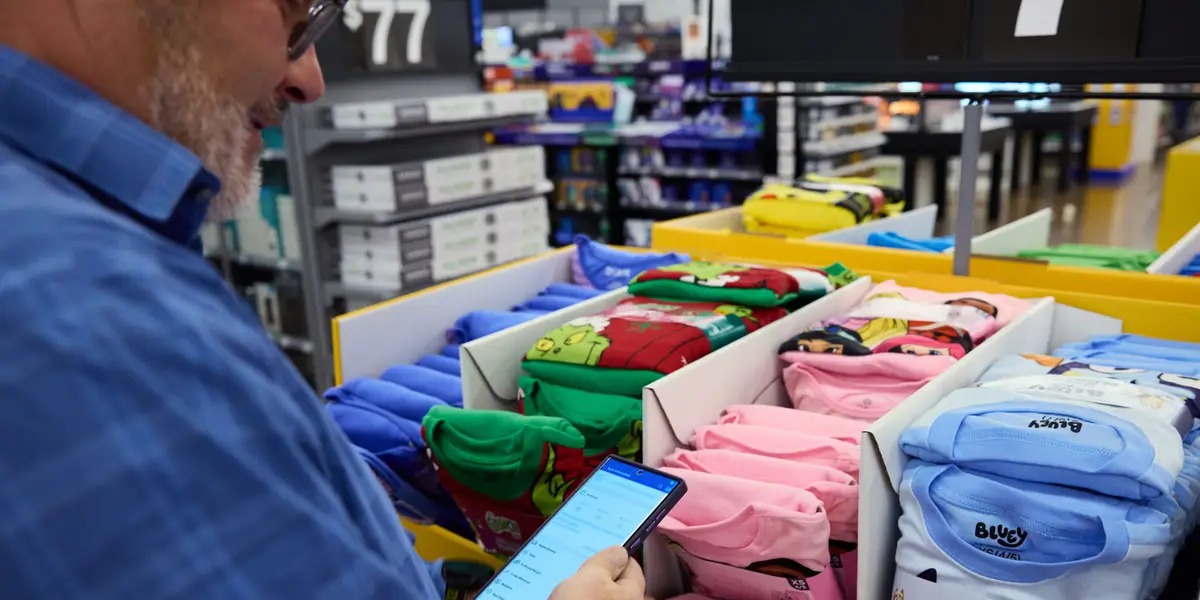
Volarevi indicates that SP3ND is promoting an experience where the inventory of online stores can become lottery-style products. He gave an example that the products could be computer hardware from Amazon, or baby items from local stores, and users decide what they will ultimately receive through a "turntable."
Neither of these two examples has announced prices, prize lists, or launch dates, nor has there been any clarification on how products that are not desired will be handled. His statements merely refer to work that is still in development and do not prove that users can already use these randomly distributed retail products.
The views of Peter have not received a unanimous positive response. A commentator named Sam argued that this approach is a form of high-stimulus consumption and believes that even though shopping and entertainment are becoming more integrated, blind boxes are not suitable for all retail categories.
Peter replied, 'Agreed.'
Another commentator mentioned Poppmart ( Pop Mart ) as an existing example of this model. Peter responded that this is just the beginning and maintained his prediction that this model will expand beyond the existing collection market.
SP3ND Publicly disclose current purchase fees and restrictions
The website explains the current process: users paste the product link, connect their wallet, and make payments using cryptocurrency. The company lists supported assets including USDC, SOL, and BONK, and claims that deliveries can be arranged in over 48 countries.
The company claims to be a registered corporation in Delaware and is also the seller in the transaction records. It publicly states that after receiving payment from customers, SP3ND will use its own funds to purchase goods from suppliers or performance partners.
For regular purchases, the service fee listed by SP3ND is as follows: 2.50 US dollars for amounts under 100 US dollars, 2.5% for amounts between 100 and 999 US dollars, and 1.5% for amounts of 1,000 US dollars and above. Their website does not provide a separate rate table for the proposed gacha experience.
Volarevi once described it as a shopping method that did not require identity verification or restrictions, but the terms that came into effect in April 2026 by SP3ND include additional conditions. Customers must be at least 18 years old, and orders totaling $10,000 or more are subject to identity verification. The company reserves the right to request additional information and may ban wallets that are flagged for screening services.
According to the FAQ page for SP3ND, customers are advised to check the estimated fees and shipping costs before making a payment. The shipping cost depends on the retailer's rates and the destination, and tracking information will be provided after the shipment is sent out. The company states that they will collect the necessary delivery information, including the address and email address, to fulfill their obligations.
Collector Crypt records a running gacha mode.
Collector Crypt has reported considerable mysterious package activities. crypto.news reports that Simon Dedic stated in a post on October 21st that the daily number of package openings reached 106,023, with gross revenue exceeding 22 million US dollars. These figures come from the operators' statements and are not audited profits.
The developer documentation for this platform describes a purchase process: after opening the package, a NFT is sent to the buyer. The machine data includes pricing, inventory, and the probability of winning prizes, with different machines having varying configurations.
According to the guidelines, eligible holders can sell back NFT at a certain proportion of its insured value using USDC. The repurchase mechanism outlined in the document will check whether this gacha has issued NFT within the past 72 hours, as well as whether the repurchase confirmation process has already been completed.
Coinbase announced physical Pokémon card packs on September 28, stating that buyers could open the packs on their mobile phones and choose to store or send them. The announcement did not provide a clear release date, pricing, or a list of the first markets for sale.
On August 31, during the launch of the Solana NFT transaction announced by OpenSea, Collector Crypt was listed as one of the related collectibles. This announcement allowed users to browse, purchase, sell, and bid on the Solana NFT supported by OS2.
FTC The case involves the cost of loot boxes and the probability of prizes.
In the United States, a settlement between FTC and Cognosphere in January 2025 involved the purchase of random numbers, and the relevant party is Genshin Impact. The institution stated that the developer agreed to pay $20 million to resolve allegations regarding child privacy, purchase costs, and the probability of obtaining rare prizes.
An announcement from FTC states that the proposed directive requires parental consent for children under 16 years of age to purchase loot boxes. The directive also mandates clear disclosure of probability and exchange rate information, and allows for the direct purchase of loot boxes with real money. It is mentioned in the announcement that the directive still needs to be approved by a court before it can take effect.