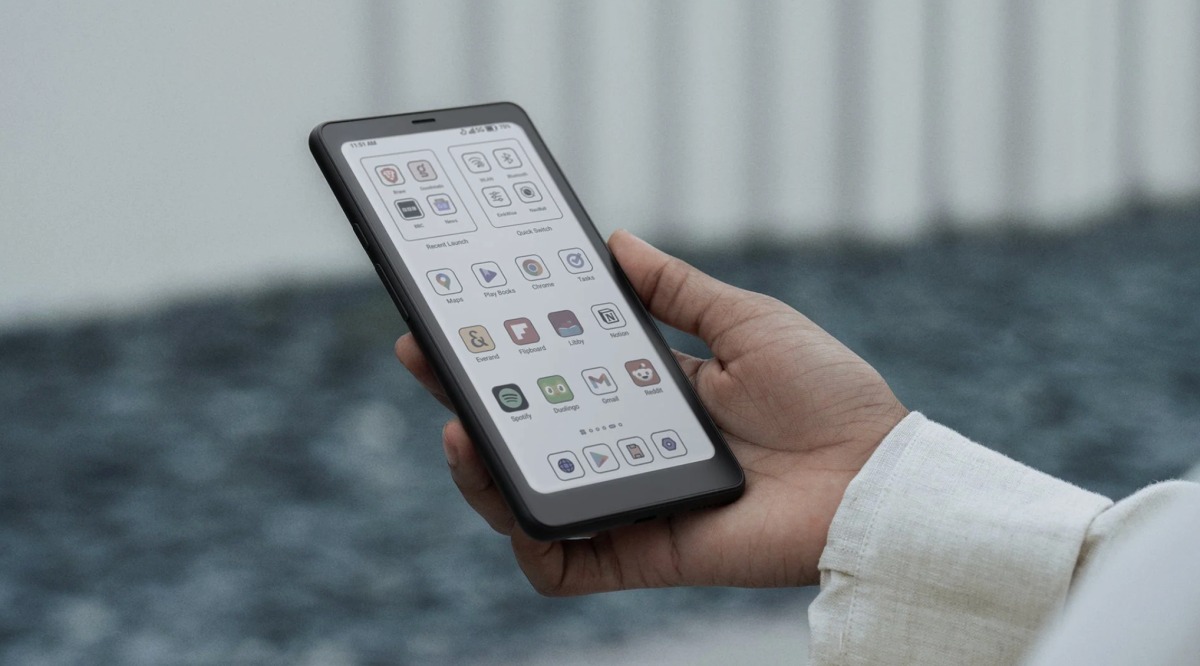
Rather than downloading another app, it’s better to send text messages directly to the growing number of AI proxies, just like sending messages to ordinary people.
You send it your requirements, and it can remember the context, connect you to the applications and services you are already using, and complete tasks on your behalf. These tasks can include scheduling appointments, organizing calendars, researching itineraries, sending emails, making reservations, shopping online, or reminding you of something a few days later.
The following are some of the most noteworthy options currently available, ranging from general-purpose personal assistants to agents designed for family, travel, and work purposes.
Ask Proxy
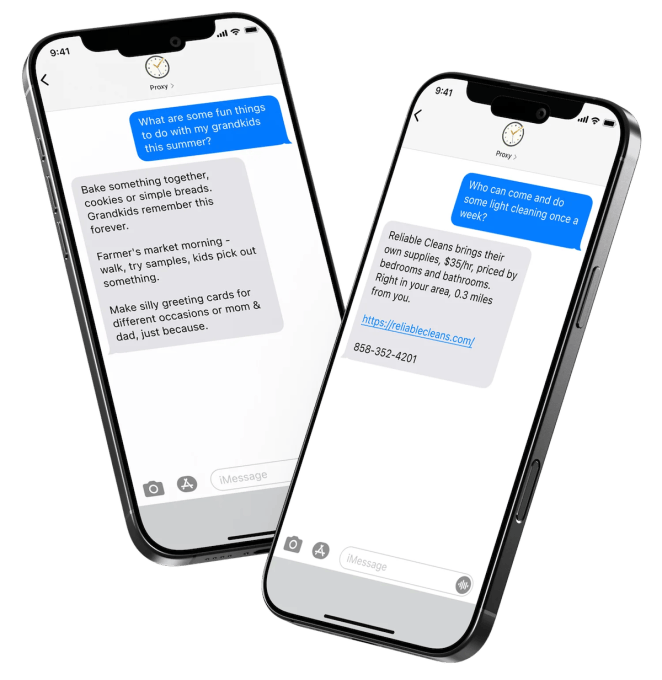
Ask Proxy The biggest differentiator is that it “thinks like a woman,” which means that, according to the company’s official website, it can anticipate your needs before you even speak.
Unlike ordinary chatbots, Ask Proxy takes a proactive approach. If it notices that you might forget something, or discovers new activities, restaurants, or experiences that you might enjoy, it will reach out to you on its own.
It also has a version designed for work use. The company claims that this version “allows employees to return to work more quickly, while keeping their personal data outside of the company’s systems.”
The personal version costs $1 per day. For the enterprise version, large companies start at $15 per employee per month; small teams with fewer than 49 employees start at $23 per employee per month.
Ask Proxy works via SMS. You can send “start” to 820-732-2625 to use it.
Caddy
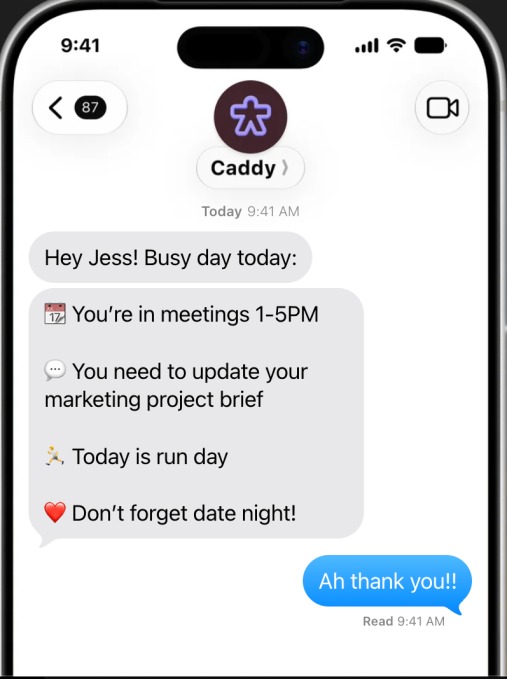
Caddy is a AI assistant designed to turn the scattered information on your phone into content that you can actually take action on. It runs on iPhone's iMessage as well as Android's RCS, so there's no need to download a separate app, nor do you have to constantly check another inbox.
For example, if there is a meeting that needs to be added to your calendar in an email, or a friend sends you a list of items to purchase. Caddy ensures that these details are not overlooked; it connects your calendar with the conversations, identifies tasks that may need to be handled, and can add events to your calendar, set reminders, track follow-up actions, and even assist you with research.
Caddy has been open for public testing since April 2026.
Comma
Comma is designed to manage tasks in both work and daily life. It will push tasks forward until they are completed, check one's own work, and determine when a task is finished.
It can work across users' browsers, computers, and files, and can also be used remotely through Signal, Telegram, and messaging apps such as WeChat. Comma retains context and memory between different devices and conversations, provides daily summaries, marks urgent matters, and summarizes the content of recorded calls.
Comma can be used for free and is open-source.
Fambot
Fambot is a home "chief advisor" driven by AI, designed to integrate various tasks in family life, including school notifications, sports activities, meal planning, calendars, and other daily responsibilities, and to organize them into an orderly plan.
This service can be used through applications as well as via text messages. Fambot is available on iOS, Android devices, and web pages, and family members can also interact with it directly through text messages. Every evening, Fambot automatically sends a summary for the following day, including upcoming events, to-do items, and details such as uniform requirements or packing instructions. Parents can reply to these messages to ask questions, verify information, or make changes to the calendar.
Fambot is currently connected to Gmail, Google Calendar, Outlook, and WhatsApp. In the future, it is planned to support Apple Calendar as well.
The company launched its beta version in early September 2026 and has already completed a pre-seed financing of $3.5 million. During the testing period, the service is currently free, but it is expected that in the future, Fambot will charge a subscription fee roughly equivalent to Netflix.
Folk
Folk is designed to become an assistant that can be accessed through iMessage, WhatsApp, and Telegram. It can remember personal contexts, manage reminders, research topics, track flights, handle emails, and perform real-world tasks such as making restaurant reservations.
One difference is that Folk runs on its own private cloud computer. It can also execute code and perform multi-step tasks, rather than just responding to conversations.
Folk launched a beta version in May 2026, and it is currently available for free use. However, if you desire unlimited background tasks, it also offers a Pro subscription for $8.33 per month.
Instinct
Instinct initially attracted attention by raising $350 million with a valuation of $2.5 billion. In September 2026, it raised another $1 billion, bringing its valuation to $10 billion.
This always-online proxy can take action on your behalf, not just answer questions. Users can communicate with Instinct via text or voice, and connect it to the applications and services they are already using, such as email, calendars, Google Workspace, etc. The company stated that early users have used Instinct for tasks like planning trips, buying groceries, booking tickets, and canceling subscriptions.
In September, Instinct began to provide users with exclusive email addresses for their assistants. The idea is to allow Instinct to create and manage accounts on behalf of the users, thereby avoiding filling up the users' personal inboxes. This agent can use its own address to register for services, contact merchants, follow up on requests, and handle tasks that require an email account. (However, this level of autonomy has also raised concerns regarding privacy and security.) It has also started to gradually support making phone calls.
The company is still in the private testing phase.
Iris
Iris is based on Hermes Agent and aims to allow users to directly delegate tasks to AI assistants through iMessage. Users can connect their applications and assign tasks with a simple message. Subsequently, the assistant will complete the required steps while preserving the relevant context from previous interactions. It is also designed to proactively follow up with users, rather than waiting for the next request.
Martin
Martin is a general-purpose personal assistant that can be accessed via text messages, phone calls, WhatsApp, email, Slack, as well as its own iOS application.
It can help manage calendars, emails, reminders, tasks, notes, and communication affairs. It can also send messages or make phone calls on behalf of the user, and provide a summary of daily matters that need attention.
Its price is on the high side, with a subscription starting at $21 per month.
Maverick
Maverick describes itself as "the AI companion living in your text messages." As a personal assistant, it helps users manage their daily tasks directly from their messages.
It can correct spelling mistakes, cancel subscriptions, schedule meetings based on voice memos, and help group chats reach an agreement on a certain event date. A notable feature is that Maverick will seek your permission before taking any action.
The platform also offers hundreds of integrations, including Discord, Gmail, and Slack, enabling it to connect with applications you are already using.
It is currently in the beta version and can be used for free on iMessage. There is also a Pro version, which costs 27 euros per month (about 30.25 US dollars), and includes 500 tasks per month, 20 connected applications, scheduled tasks, and a memory function.
Miso
Miso applies the concept of personal assistants specifically to travel.
It operates through iMessage and combines the itinerary planning of AI with specialized travel team support. Users can arrange flights through messages, and Miso takes into account their travel preferences, frequent flyer points, and other priorities. Miso also provides travelers with itinerary details, flight updates, as well as personalized recommendations.
Ohai
Ohai is also a home assistant, dedicated to helping families manage the constant influx of information and tasks in daily life.
Users can send messages, forward emails, or make voice requests, and the assistant will convert this content into schedules, reminders, and plans. It can also coordinate the calendars, household chores, and meals of multiple family members.
It offers a free basic version, as well as different subscription plans based on the size of the family, with a starting price of $9.99 per month.
Ollie
Similar to other family-oriented agents, the approach of Ollie is that families actually already possess the necessary information, which is just scattered across school messages, calendars, to-do lists, and group chats. Ollie attempts to integrate this content and keep it synchronized. It can track calendars, emails, reminders, tasks, and other family details, and then convey relevant information to users via text messages.
Compared to other proxies, the biggest differentiator of Ollie is that it is one of the first mainstream AI assistants to obtain the SOC compliance certification. SOC is a widely used security standard.
Ollie was launched in June 2026, offering a free tier as well as a paid option. The basic paid plan starts at $25 per month and allows for the sending of 150 messages. The plan costing $100 per month allows for up to 1,000 messages.
Orbits
Orbits also has a AI assistant that focuses on families.
It can be used through Orbits applications and text messages, integrating calendars, to-do lists, and conversations to assist you in completing tasks. These tasks include web searches, purchases, restaurant reservations, schedule changes, as well as requesting quotes for home services.
In addition, Orbits can also remind family members to do household chores, communicate with service providers, and help coordinate responsibilities that go beyond the usual division of labor within the family.
Orbits has received support from investors such as Andreessen Horowitz ( a16z ), Speedrun, N49P, and Garage Capital.
Pally
Users can interact with Pally just like chatting with a friend, while allowing it to access the applications they already rely on. This assistant can connect the scattered information from services such as WhatsApp, Gmail, calendars, and Google Drive to help users track plans, receipts, dates, documents, and other details.
It offers a free solution that can be used through iMessage, RCS, and Telegram.
Poke
Poke was launched in March 2026 and is a general-purpose assistant that can be contacted via text messages. It can handle tasks related to calendars, planning, health and fitness, smart home control, photos, and other daily activities.
In June 2026, Poke received particular attention as Apple approved it to become the first AI agent on the Apple Messages for Business platforms. A month later, its parent company, The Interaction Company, was acquired by the AI programming startup Cognition for a transaction valued in the low hundreds of millions of dollars.
Rene
Rene is a AI personal assistant that is not positioned as another productivity tool, but rather as the user's "best contact." It is based on text and can convert natural language conversations into tasks, reminders, summaries, and other follow-up actions. Rene can also retain context between conversations, remember details, and later prompt for matters that may need attention.
In addition, it also comes with a browser, allows you to write code, helps you with shopping, and can also be used to create slides and pictures.
Rene can currently be used through iMessage, Telegram, and WhatsApp.
Skye
Skye is not designed to wait for users to open the app; rather, it serves as a "proxy home screen" on iPhone, analyzing information from connected services and presenting what it deems relevant through context cards, suggestions, and daily briefings. This assistant can generate audio briefings, prepare information before meetings, provide reminders, and identify potentially useful information.
Its company, Signull Labs, completed a seed round of financing of approximately $3.6 million in 2025. It entered the private testing and beta version in April 2026, but the official release date has not yet been announced.
Stanley
Stanley is a AI content assistant designed for content creators, rather than a general-purpose personal productivity tool. It can be used through iMessage, Telegram, and web pages to act as a kind of AI content manager, helping users come up with ideas, turn those ideas into posts, and maintain a steady publishing rhythm.
For example, Stanley can connect to the user's Instagram account, and using this context, it can suggest content based on what the user has actually done before. Users can also send voice memos, which Stanley will convert into scripts, copywriting, and other social media materials. It includes a content calendar and allows for scheduling of releases. The overall goal is to make content creation a more continuous and automated process, rather than requiring users to sit down and plan everything from scratch each time.
Szn
Szn aims to coordinate tasks and follow-up through a single conversation thread. Users can send text messages, voice memos, photos, or forwarded emails, and the assistant will take action on their behalf, including making phone calls, sending emails, and managing subsequent matters.
According to the company's official website, Szn has served over 7,500 enterprises in more than 16 countries, completed over 10,000 tasks, and handled 95 hours of calls.
Tab
Tab Allows users to delegate daily tasks through familiar messaging platforms. Users can send requests to the assistant via iMessage or WhatsApp, ranging from ordering groceries to finding birthday gifts, and Tab will handle the entire process on their behalf.
The company ended its stealth mode at the beginning of October, with a valuation of $300 million. Its investors include SV Angel, Valar Ventures, and American Spirit.
Tomo
The biggest difference between iMessage's personal assistant and others is that it's not a private assistant with which you can only interact alone; it can also join group chats.
In addition, like other proxies, it is also designed to help with tasks such as target management, responsibility tracking, scheduling, and daily organizational affairs. It can also send reminders, search web pages, manage calendars and emails, watch videos, and edit photos.
The basic plan starts at $19.99 per month.
Town
Town leans more towards professional life. It provides users with a “Townie”, which is a AI assistant designed to learn the user's work methods and handle repetitive professional tasks. It can manage emails, calendars, documents, Slack, and other platforms.
In June 2026, the company completed a $55 million Series A financing round led by Andreessen Horowitz and Forerunner.
Underdog
Underdog is a privacy-conscious AI assistant that launched a beta version limited to invitations in early October 2026. Unlike cloud-based AI services, this model runs entirely on the user's device, keeping personal data within the hardware that the user already possesses. The initial version is compatible with Mac and Windows computers, with plans to release versions for Linux, iPhone, and Android in the future.
Wajo
The first consumer-grade agent of Wajo, Fo, can make phone calls to businesses, send emails, join group chats, place orders for purchases, and coordinate with others to complete daily tasks.
A key part of the Wajo method is to provide Fo with an independent identity. This agent has its own email address, phone number, and payment card, allowing it to interact with merchants without requiring users to provide their own credentials.
It is worth noting that when Fo encounters something it cannot handle on its own, Wajo indicates that it can bring in a human assistant to complete the task.