

By Thursday evening, investors will hear news from the Federal Reserve as well as the three largest spenders in the AI transactions: Alphabet, Microsoft, and Amazon.
The main question will be a familiar one: Can large technology companies continue to invest funds in AI infrastructure without shaking investors' confidence in returns?
The following is a timeline of events that investors will be watching, as well as possible market reactions:
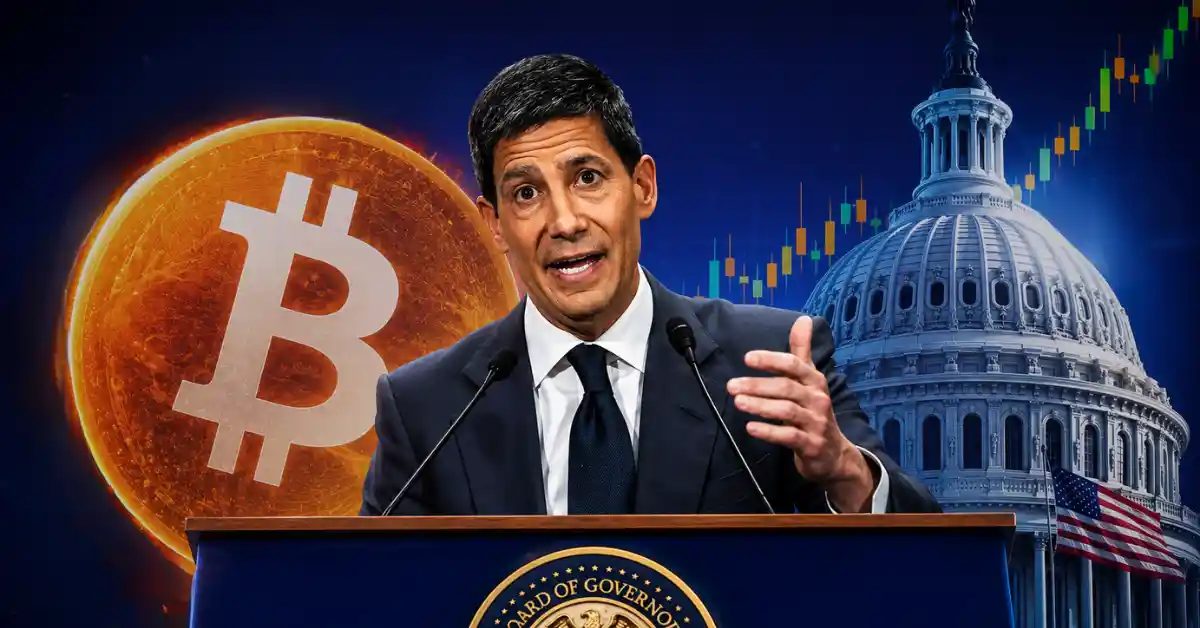
2 p.m. Eastern Time on Wednesday: Fed decision and press conference with Kevin Walsh
What Investors Are Watching: The market generally expects the Federal Reserve to keep interest rates unchanged, so the focus will be on statements from Chairman Kevin Warsh. Will he express concerns about stubborn inflation and higher energy prices? Or will he leave room for a pause in further rate hikes before the end of the year? If it's the latter, the market will have to re-evaluate its expectations for a rate hike in December; currently, that probability is around 75%.
Investors should also pay attention to whether there will be votes against raising interest rates, as this may reveal how much appetite the market has for further policy tightening.
How the market might react: If Walsh's tone is more hawkish than expected, it could push up U.S. Treasury yields and make the already fragile AI trades even more volatile. If his tone is more patient, it might trigger a round of moderating rebound, but that is far from enough to address the larger question of whether inflation is indeed cooling down.
After the close on Wednesday: Alphabet and Microsoft announced their financial results
Alphabet
What Investors Care About: The business growth that is most likely to show results in AI expenditures is Alphabet, especially the cloud business. Investors also hope to see steady growth in the search business, as AI agents are reshaping the way people search for information online. Finally, investors also want to see a capital expenditure outlook that is ambitious yet does not once again raise concerns about cash flow and financing.
How the market might react: Strong growth in cloud business could continue to support Alphabet's existing position as a high-quality target for holding AI construction themes. However, if there is a significant increase in expenditures without a corresponding revenue story to support it, it could reignite concerns about capital expenditure, and this would not be limited to Alphabet but could also affect a broader range of AI transactions.
Microsoft
What investors are concerned about: Azure growth and Copilot profitability – these are once again the areas most directly related to whether Microsoft's AI expenditures are effective. Investors also hope to hear that demand remains strong enough to support the company's massive data center expansion plans.
How the market might react: A Azure that significantly exceeds expectations is likely to boost the entire AI trading. Any signs indicating a slowdown in cloud demand, or that capital expenditure growth outpaces returns, could put pressure on Microsoft's stock price as well as that of its peers in the chip and data center sectors.
After the close on Thursday: Amazon releases its financial results
What investors are concerned about: the growth of AWS, as this business is one of the main beneficiaries of the expenditures of AI; the guidance on operating profit margins; and whether CEO Andy Gassie will once again raise the company's capital expenditure forecast of approximately $220 billion.
How the market might react: If AWS performs strongly, it could put a period at the end of this week with renewed confidence in AI. However, if cloud business data is weak, or if the company significantly increases its expenditures again, it could reignite investor anxiety throughout the entire AI trading period.
By Friday morning, investors should have clearer answers to the market's most pressing question: Will AI spending remain a driver of growth, or is it turning into an excessive burden of financing?