NVIDIA is investigating its own CEO. Meanwhile, Google is stepping up efforts to develop chips that could potentially steal NVIDIA's customers.
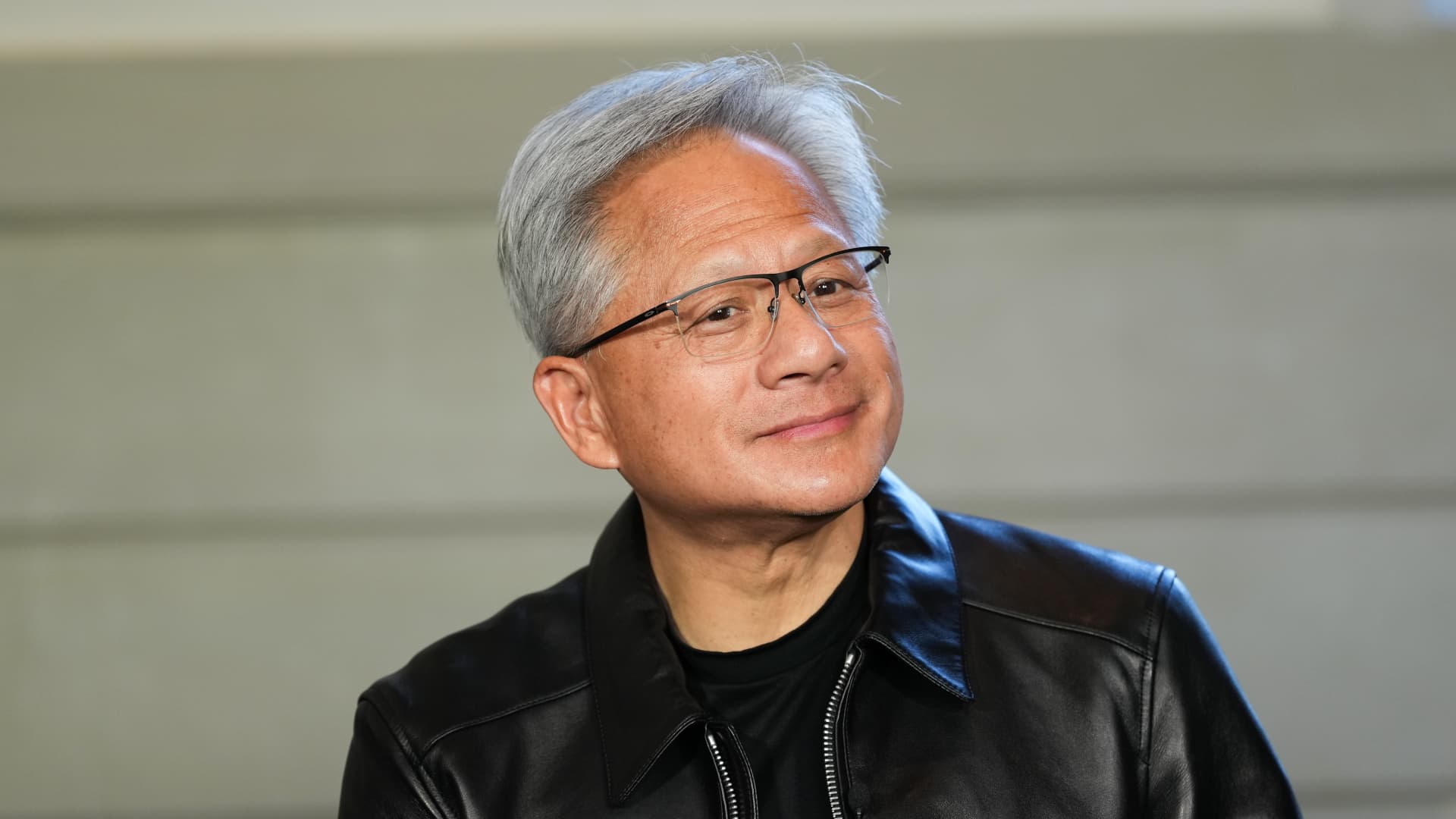
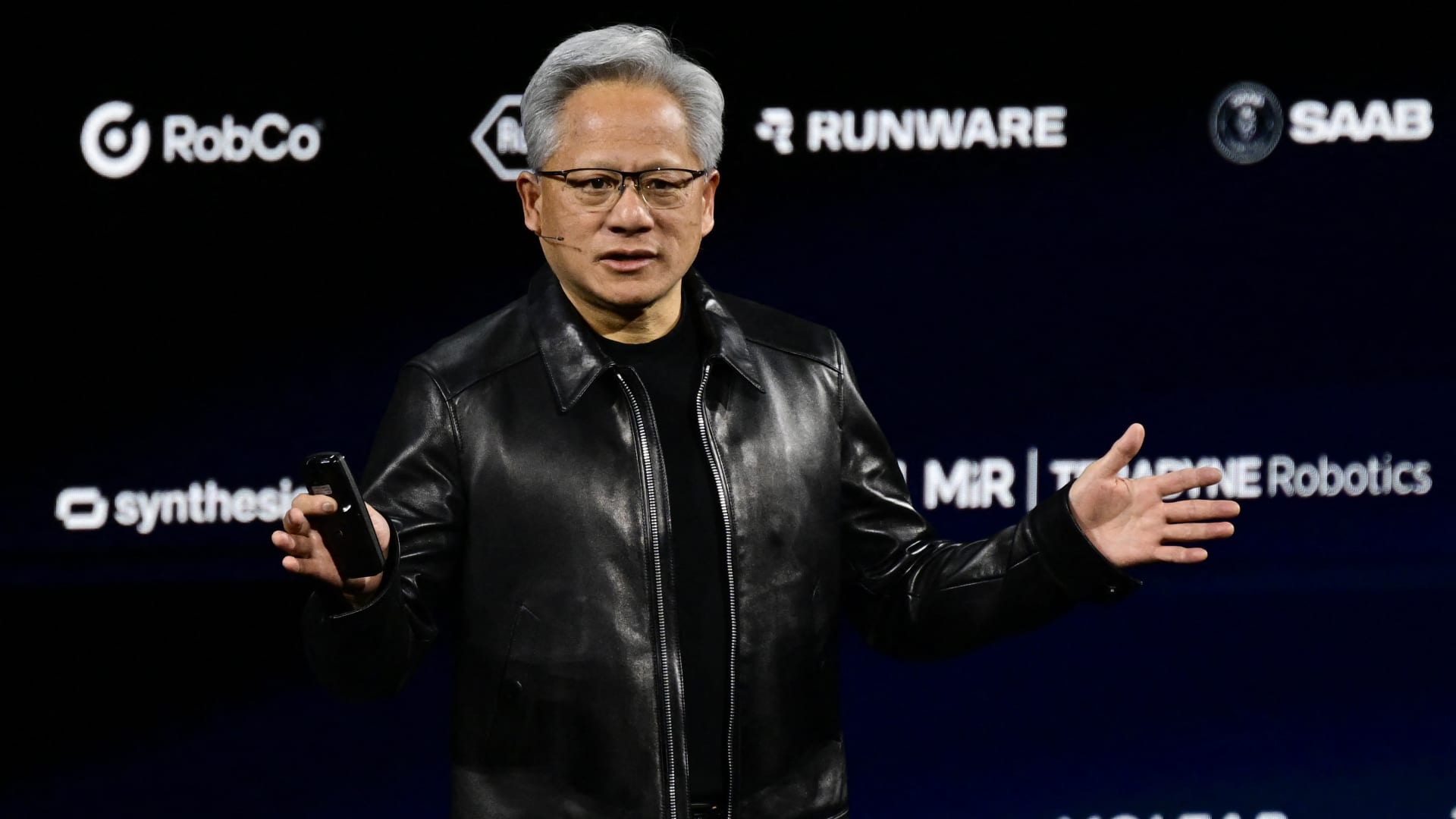
After the opening on Monday, NVIDIA's stock price plummeted by 8%, falling to its lowest level since March of this year. The trigger was the company's board of directors initiating an investigation related to CEO Jensen Huang. Alphabet (the parent company of Google), represented by the symbol Alphabet, saw its stock price rise by about 3%. This is also the latest development in the scandal involving CEO, the first company with a market value of $4.5 trillion to face such issues on Wall Street.
Google launched two new tensor processing units ( TPU ) on Monday, which are Google's self-developed AI chips: the TPU 8tx and the TPU 8i. Together with the TPU 8t and TPU 8i that were unveiled in April of this year, they form a complete product lineup. This is the first time Google has released four TPU systems in a single year, and the two new chips will be officially shipped next year.
This can be understood as a kind of chip menu. TPU 8tx can encrypt data throughout the process, and is aimed at government, banking, and other industries with strict regulations. It is used in conjunction with the processor AMD. TPU 8i and Max encapsulate two chips within the same package, specifically designed to meet the needs of very large context windows – where a context window refers to the amount of information that the AI model can process simultaneously.
The most notable aspect is the institutional forecasts. According to Bloomberg Industry Research, excluding chips leased through Google Cloud, the sales of TPU chips are expected to grow from approximately $12 billion this year to over $135 billion by 2028, representing a more than 11-fold increase in just two years.
In contrast, NVIDIA's data center business saw nearly an 8-fold growth in the first two years of the AI trend, increasing from $150 billion in fiscal year 2023 to $115 billion in fiscal year 2025.
Today, TPU chips are being produced in large quantities. Industry data shows that this year, the total computing power of TPU in a single quarter has doubled, with approximately 800,000 chips shipped.
Anthropic is the most representative key customer. Its IPO declaration documents show that the lease payments related to TPU amount to approximately 161 billion US dollars. Raymond James Securities stated that this makes Anthropic Broadcom's ( Broadcom ), Google's design partner, the largest custom chip customer. Meta, OpenAI, and Oracle are also purchasers from TPU.
In the past, Google launched about one data center TPU per year, but now it is able to provide a corresponding TPU product for each type of business load.
However, NVIDIA still holds products with stronger performance. According to calculations by Yahoo Finance, NVIDIA's next-generation Rubin chip has a computing power of 35 petaflops (35 quadrillion floating-point operations per second); Google's TPU 8i has about 10 petaflops, and the TPU 8i Max has about 20 petaflops.
Google emphasizes its cost-effectiveness advantage. Industry newsletter SemiAnalysis points out that when running tasks with the AI intelligence, Google's existing Ironwood (Tiemu) TPU can achieve AI processing power per dollar, which is nearly three times that of the NVIDIA Blackwell (Blackwell) chip; of course, if one pursues ultimate speed, NVIDIA's flagship products still have the upper hand.
It should be noted that predictions do not equate to actual sales figures; NVIDIA's AI chips still lead all competitors by a large margin in terms of actual sales.
NVIDIA's next key milestone is November 17th, when it will release its third-quarter financial report. On the day before that, significant news regarding this was just disclosed. Investors are paying close attention to whether customers have already begun to prepare for a bullish trend and diversify their chip purchases. As Bernstein analyst Stacey Rassgorn wrote in a research report for clients, "Jensen Huang is no ordinary CEO; he is synonymous with NVIDIA itself."