New York, November 12th / PRNewswire / -- The New York Stock Exchange (NYSE) stated that this year, nine companies have transferred their listings from NASDAQ to the NYSE. Based on the median market value of these issuers, the number is significantly higher than that of companies moving to other exchanges this year. The NYSE also mentioned that its system operated normally despite record trading volumes, successfully handling the new peaks.
Large companies transitioning to the New York Stock Exchange
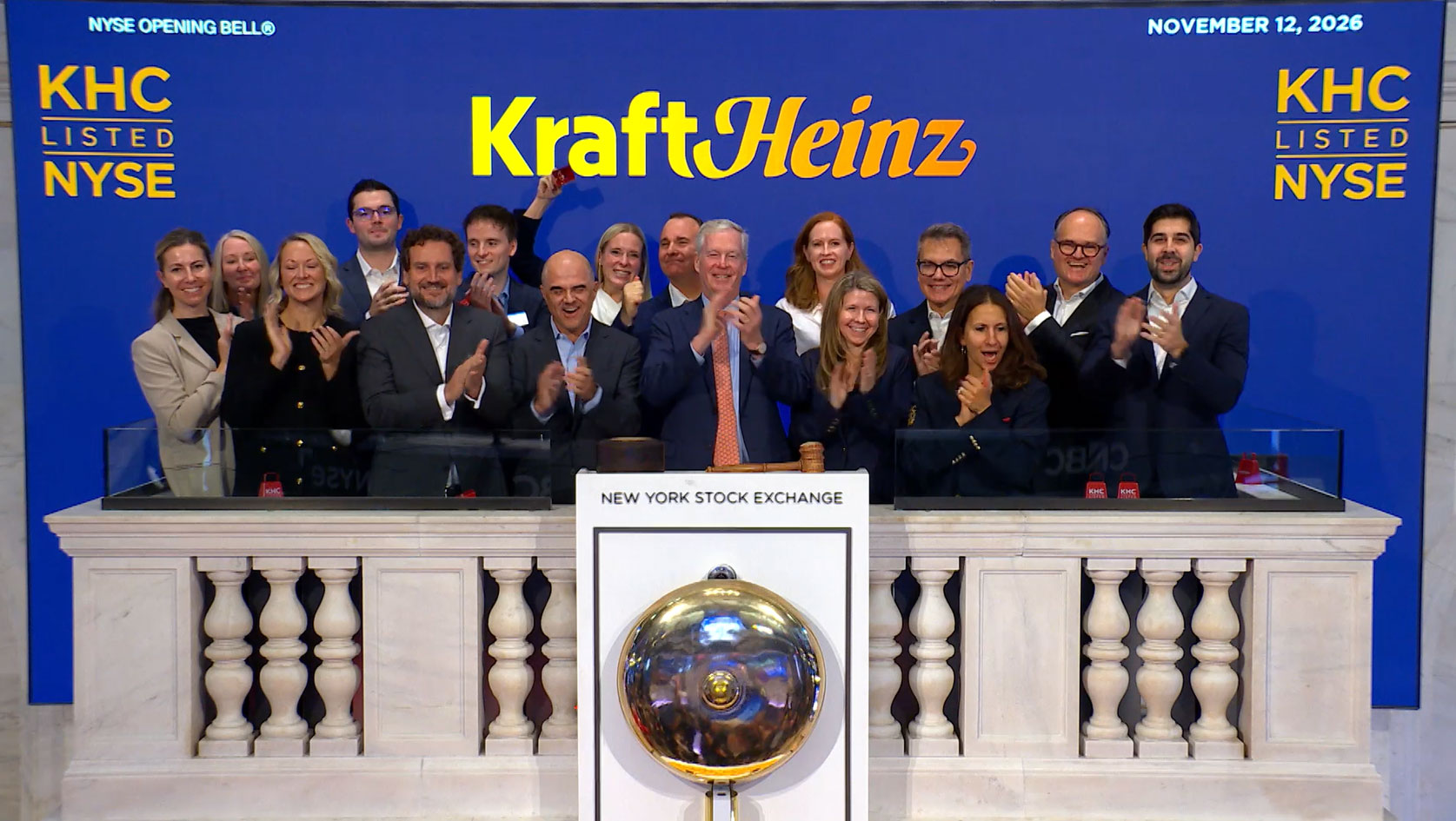
AstraZeneca, Kraft Heinz, and Skydance: This year, three constituents of the Nasdaq 100 index have moved to the New York Stock Exchange (NYSE). Another large company, Fifth Third Bancorp, has also completed its transfer, with the NYSE stating that this marks the largest bank transfer in history.
What does the data reflect?
The data shows the scale and characteristics of these companies undergoing transfer listing:
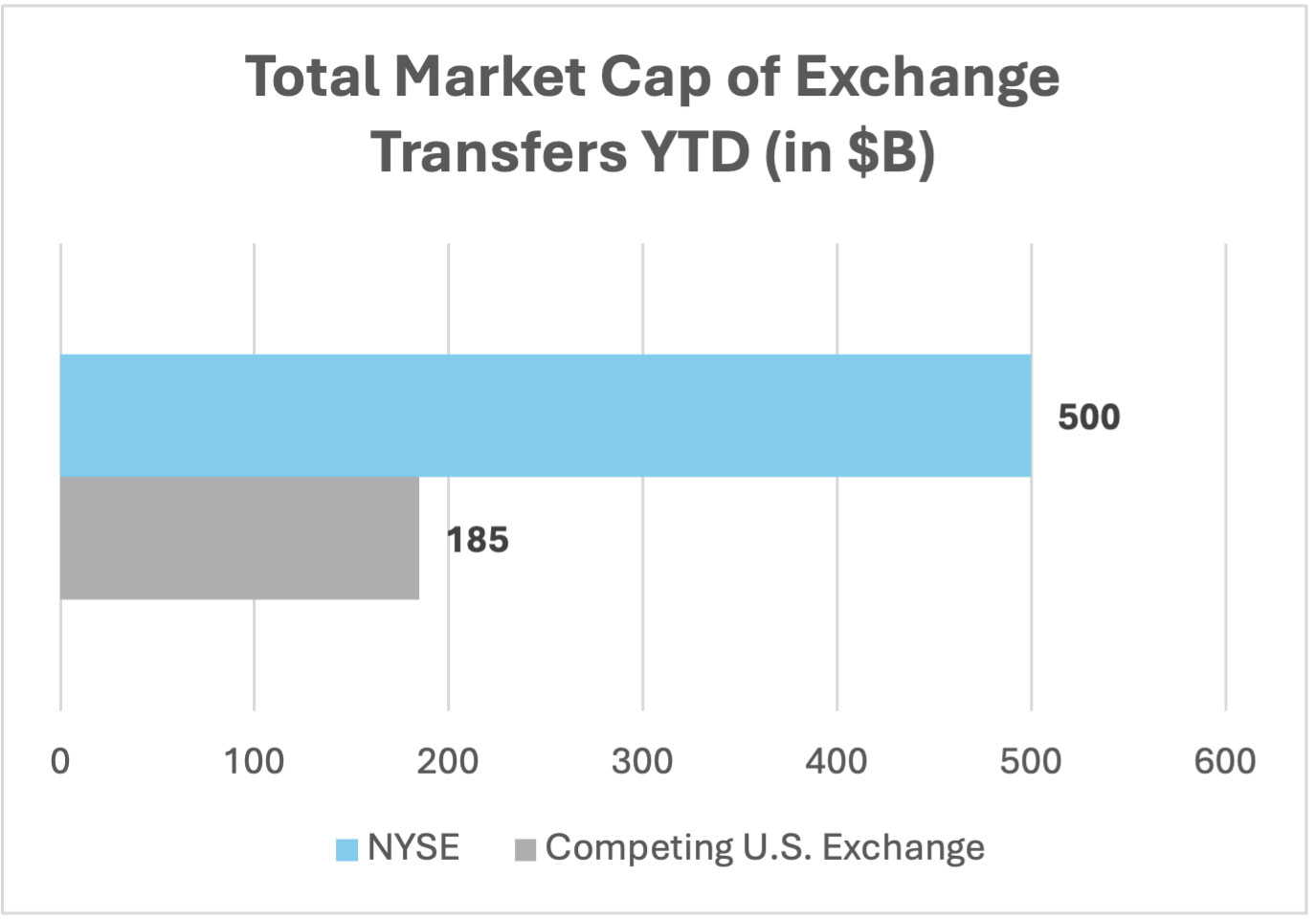
- Near $500 billion: As of now, this is the market value that has transferred from competitors to the New York Stock Exchange (NYSE); in contrast, this year, the market value that has transferred out of the NYSE is $185 billion.
- $15.7 billion: The median market value of issuers transferring to the New York Stock Exchange; the median market value of issuers turning to competitors is $1.4 billion.
The New York Stock Exchange also studied 21 companies that joined the Nasdaq 100 index over the past 40 years and found that these companies exhibited a contraction in their price-earnings ratios compared to their peers. On average, in the year following their announcement of the transfer, their valuation was 7.4% lower than that of their peers; in the year after they entered the Nasdaq 100 index, their valuation was 9.6% lower than that of their peers.
Why is execution quality important for issuers?
A recent study by the New York Stock Exchange (NYSE) shows that issuers often favor this exchange's hybrid model because the combination of human designated market makers (DMM) and algorithmic execution can help to suppress intraday price fluctuations and enhance liquidity during key closing bid auctions.
The strength of the NYSE community
The New York Stock Exchange (NYSE) stated that 70% of the components of the S&P 500 index, as well as 74% of the Fortune 500 companies listed in the United States, consider the NYSE as their listing venue. This year, the NYSE also welcomed several new issuers of different types, including Jersey Mike, Reformation, HawkEye 360, Madison Air, Forgent Power Solutions, Bob's Discount Furniture, and Once Upon a Farm.
Veradermics Inc has achieved the best listing performance when calculated based on the return rates from the issue price to the current price, as well as from the issue price to the closing price on the first day; the listing of Madison Air marks the largest industrial IPO in the United States in nearly thirty years.
Infrastructure built for peak trading volumes
During the selling pressure on November 5th, the New York Stock Exchange processed 11.66 trillion messages, which is about 4% higher than the previous high set during the volatility period in April 2025. The system performance was consistent with that on previous peak days.
Stocks: The trading volume on the stock exchanges is about 16% higher than the previous peak, with NYSE Texas increasing by 63%, NYSE American Equities by 60%, and NYSE National by 36%.
Options: The trading volume on the options exchange is about 10% higher than its previous peak, with NYSE American Options increasing by 8% and NYSE Arca Options increasing by 12%.
The New York Stock Exchange (NYSE) stated that the delisting of large companies, the emergence of diversified new listed companies, and the stable performance of the market on its busiest trading days all point to one conclusion: an increasing number of issuers are considering the NYSE as their preferred listing destination.