Iran Demands Bitcoin Fees for Ships Passing Through the Strait of Hormuz
逃离重力
04-08 22:28
Ai Focus
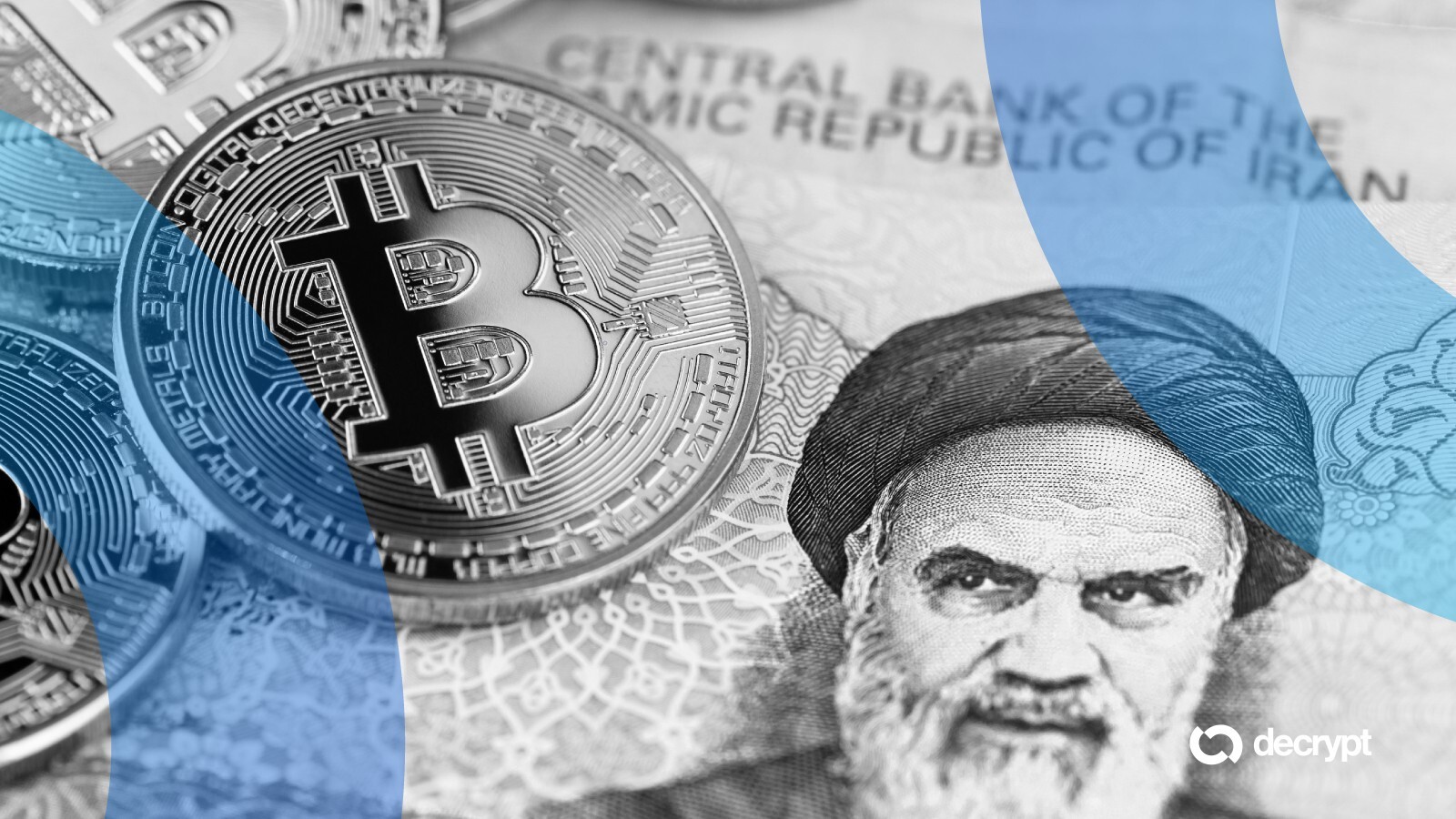
Following a two-week ceasefire agreement between the United States and Iran, Iranian leaders have introduced a Bitcoin-based plan to regulate the Strait of Hormuz. Ships passing through will be required to pay a $1 fee per barrel in Bitcoin to Iranian authorities for approval.
Helpful
No.Help

In the wake of a two-week ceasefire reached last night between the United States and Iran, Iranian leaders have announced a Bitcoin-centered plan to retain control of the Strait of Hormuz while allowing oil tankers to resume normal traffic through the crucial waterway.

The Iranian government will levy a fee of $1 per every barrel of oil that passes through the strait, and the fee will have to be paid in Bitcoin, according to a Wednesday report in the Financial Times.

Every ship seeking to pass through the Strait of Hormuz will have to email Iranian authorities about the contents of its cargo, then wait for approval. Upon receiving the green light, the ship’s operators will have “a few seconds” to send a Bitcoin payment to an Iran-controlled wallet.

Such a system will ensure the fees “can’t be traced or confiscated due to sanctions,” an Iranian official told the Financial Times.

Iran says the system is intended to ensure weapons aren’t sent through the Strait during the two week period in which the United States and Iran have just agreed to cease hostilities. The conditions and logistics of the Hormuz toll were determined by Iran’s Supreme National Security Council.

Iran seized control of the Strait of Hormuz shortly after the United States and Israel launched attacks on the nation in late February. Roughly a third of the world’s crude oil supply passes through the narrow waterway every year, and the ongoing war has sent oil prices skyrocketing.

Other oil exporters in the region, however, including Saudi Arabia, the UAE and Qatar, are likely to balk at the notion of Iran controlling the shared Strait for an extended period.

On Wednesday morning, President Donald Trump told ABC News he hoped the United States and Iran might charge tolls in the Strait of Hormuz together as a “joint venture.” The president called the idea “a beautiful thing.”

No such notion of a joint toll system was mentioned by Iranian officials who outlined the Bitcoin-centered toll plan on Wednesday.

Tip
$0
Like
0
Save
0
Views 813
WalletJYS reminds readers to view blockchain rationally, stay aware of risks, and beware of virtual token issuance and speculation. All content on this site represents market information or related viewpoints only and does not constitute any form of investment advice. If you find sensitive content, please click“Report”,and we will handle it promptly。
Submit
Comment 0
Hot
Latest
No comments yet. Be the first!
Related
The US and Iran suspended mutual attacks for the second consecutive day, and the Hormuz negotiations continued.
For the second consecutive day, the US and Iran suspended mutual attacks, and Iran continued consultations with Oman on navigation arrangements in the Strait of Hormuz, temporarily easing geopolitical tensions.
Fortune
·2026-07-26 23:51:35
571
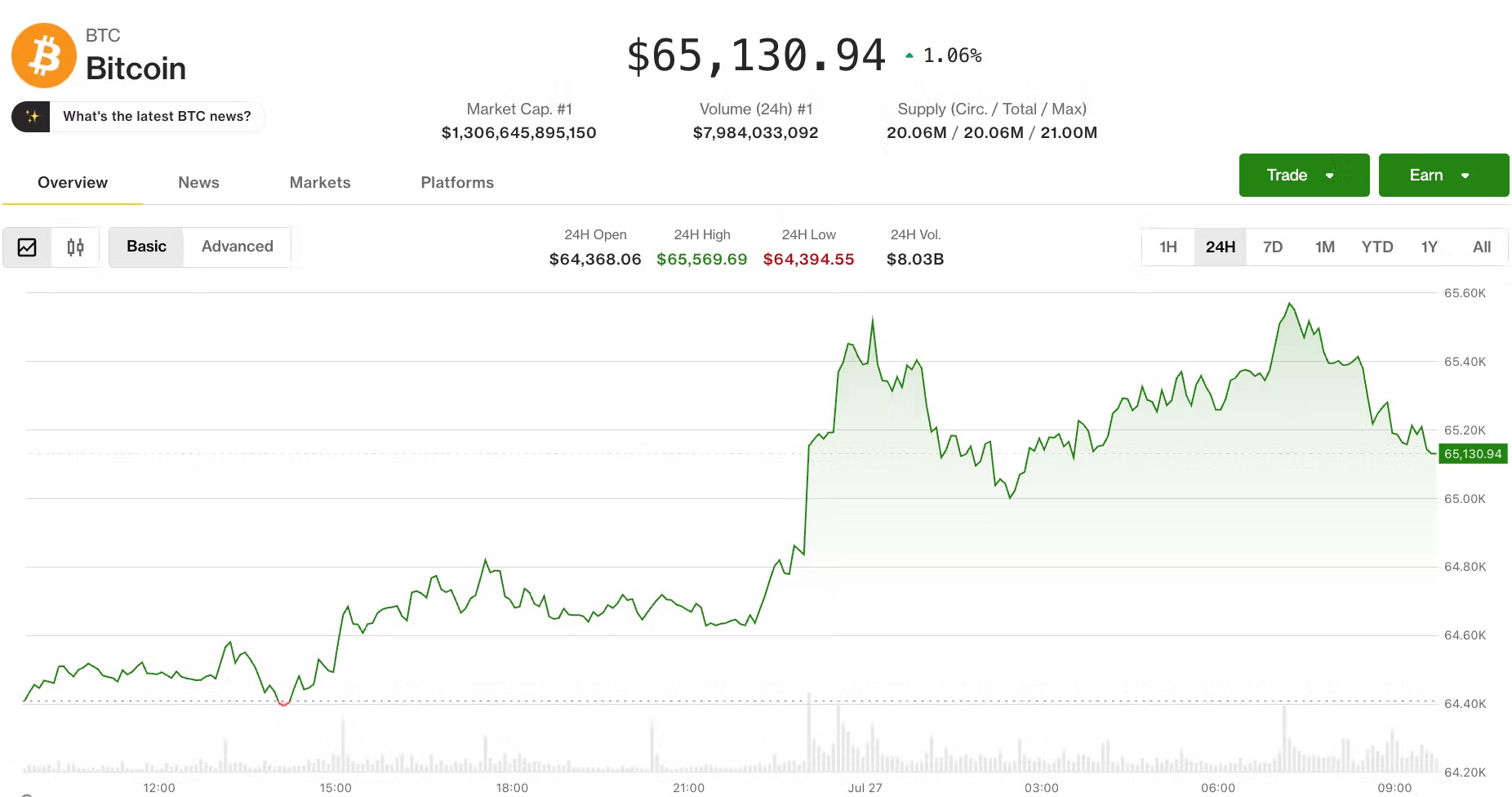
Ethereum: As tensions in the Hormuz ease, Bitcoin holds steady near $65,000.
Easing tensions in the Middle East led to a decline in oil prices, stabilizing the cryptocurrency market with Bitcoin holding steady around $65,000. Market focus is now on this week's Federal Reserve interest rate decision.
CoinDesk
·2026-07-27 18:41:34
263
Web3: US-Iran conflict eases, Bitcoin breaks $65,000
The temporary easing of the US-Iran conflict led to a decline in oil prices, while Bitcoin returned above $65,000, and the market turned its attention to the Federal Reserve's July interest rate meeting.
Coinpedia
·2026-07-27 18:12:29
738
Web3: Trump suspends strikes against Iran, Bitcoin rebounds above $64,000.
Bitcoin rebounded above $64,000 after Trump suspended strikes against Iran, but ETF outflows and weakening stablecoin transfers continued to suppress the rebound.
Coinpaper
·2026-07-27 02:51:29
322
Muddy Waters Research adds new fees to cover security expenses
Muddy Waters Research reportedly added a fee of up to 0.1% to cover rising security costs, reflecting the operational pressures faced by active short sellers.
Businessinsider
·2026-07-30 17:55:55
435