web3: Cryptocurrency developers accidentally click on fake links; Claude The link is at risk of backdoor attack
U.Today
08-30 22:50
Ai Focus
Hackers used fake Claude links to deploy malware and achieved re-infection after system reinstallation through the AI configuration files.
Helpful
No.Help

An encryption developer recently revealed that while setting up his work environment, he obtained the download link for a transcription application using Claude. As a result, he ended up accessing a phishing website. After downloading the software, his device was quietly infected with a program designed to steal information, which targeted passwords, exchange account credentials, and private keys from hot wallets.

Still get reinfected even after reinstalling.

After discovering the anomaly, the developer immediately isolated the device and performed a complete reinstallation on the work computer. It seemed that the risk had been eliminated, but when restoring the backup files, he found that a AI configuration document named SKILL.md had been manually altered.

This document was originally intended to serve as his personal AI style guide. However, the attacker modified the file structure so that once it was imported into a new, clean device, it would automatically connect to the attacker's server, download the information theft program again, and continue to collect credentials.

Backdoor hidden in configuration files

This means that the risk does not only come from the malware initially downloaded, but also from the trusted configuration files used during subsequent recovery processes. Even if the operating system has been reinstalled, as long as the contaminated files are reused, the malicious programs may still return to the device.

Reports indicate that this incident has exposed a new method of attack: hackers not only forged the download links provided by AI, but also concealed backdoors within the AI skills or configuration files, creating a continuous infection pathway.

Web3 Developers become a key target

NEAR Protocol, co-founder, and Illia Polosukhin have also noticed this matter. He pointed out that security issues surrounding autonomous AI proxy infrastructure are becoming more prominent, and the number of attacks carried out using "context poisoning" is also increasing.

For the developers of Web3, local work devices have always been high-value targets, as they often contain the development environment, account credentials, and wallet keys. This incident demonstrates that seemingly ordinary AI configuration files, such as md or json, can no longer be simply regarded as harmless text.

In the future, such files will need to be checked in the same manner as executable code before import, synchronization, or restoration. Otherwise, attackers may use the AI tools and configuration files within the regular work process to introduce malicious programs onto new devices.

Tip
$0
Like
0
Save
0
Views 510
WalletJYS reminds readers to view blockchain rationally, stay aware of risks, and beware of virtual token issuance and speculation. All content on this site represents market information or related viewpoints only and does not constitute any form of investment advice. If you find sensitive content, please click“Report”,and we will handle it promptly。
Submit
Comment 0
Hot
Latest
No comments yet. Be the first!
Related
Who decides on the liquidation when assets remain with the custodian bank and funds are lent out onto the blockchain?
After institutions hand over their collateral to qualified custodian organizations, they can still obtain funds from the on-chain lending market. This is the approach outlined by Chainlink on October 26th when introducing CustodySync. The official first-party partner is Anchorage Digital Bank, which, in conjunction with its Atlas collateral management product, integrates the custodial arrangements familiar to institutions into the liquidity of DeFi.
币界网
·2026-10-31 08:54:08
58
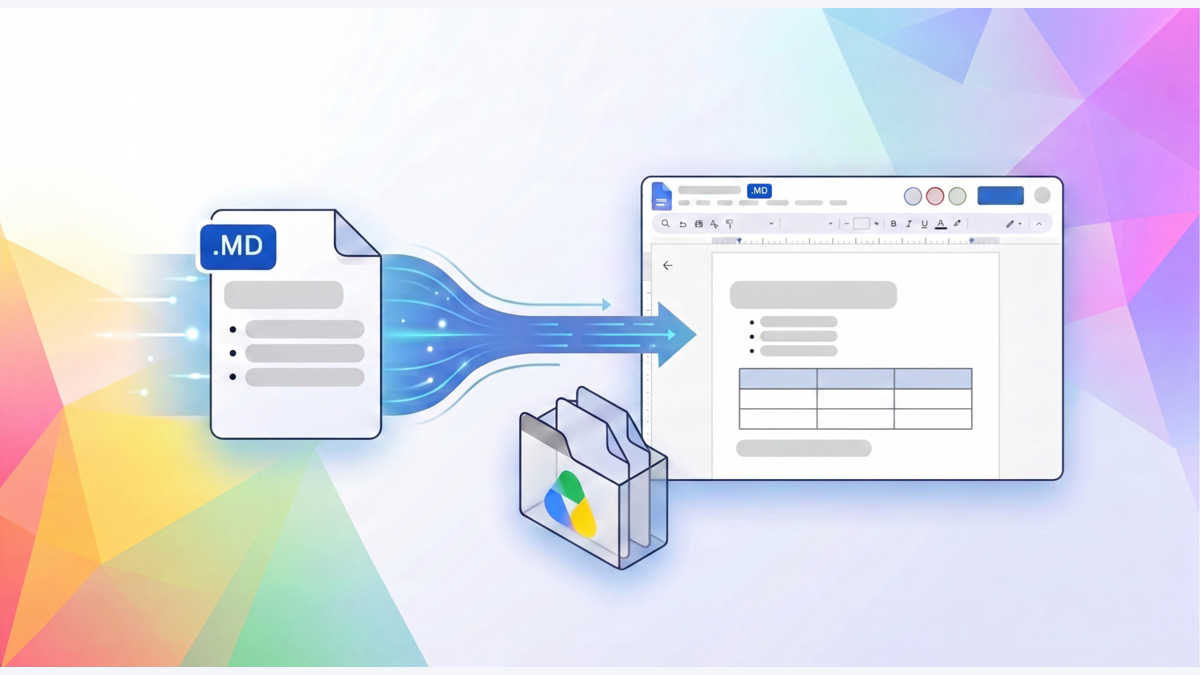
There's a md marker at the top of the document; Google has taken over the revision work for both humans and agents.
Upload a Markdown file to Google Drive, and then open it with Google Docs. A “. md” marker will appear in the document title area. This serves as a reminder to the editor that the file in their hands is still of the Markdown type. On October 26th, Google announced that Docs and Drive now support native viewing, editing, and collaboration of such files. Users can make revisions within the familiar document interface while retaining the file type.
CoinMeta
·2026-10-31 08:53:59
29
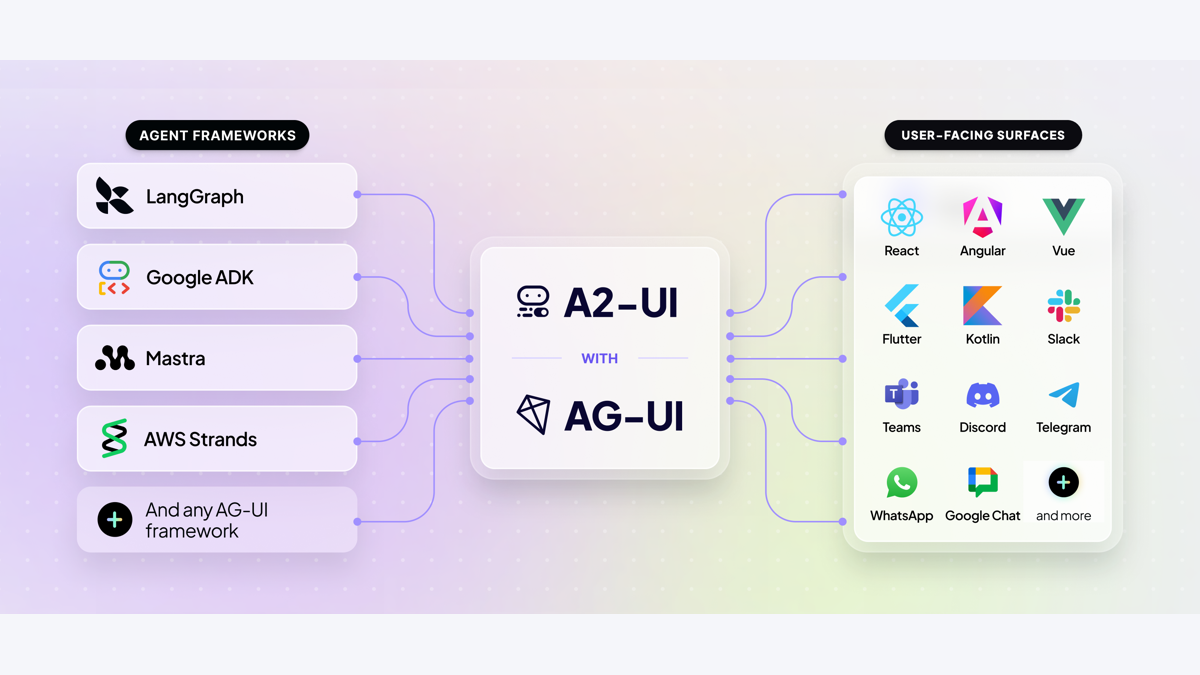
The agent starts to design the booking interface, with component permissions remaining in the hands of the application.
When selecting a vacation, users may simply need to compare six packages side by side and then click on a date. However, chat-based intelligent agents often present flight details, hotel information, and prices in long blocks of text, before finally providing a link to proceed. In a tutorial published on October 29th by Google and CopilotKit, they took a different approach to this booking process: they incorporated selectable cards and input fields into the conversation, allowing users to continue their operations right within the original interface.
CoinMeta
·2026-10-31 08:53:55
25
Hon Hai's "Ecosystem Empowerment Token Factory" AI Initiative Debuts at Hon Hai Technology Day 2026
At the 7th Hon Hai Technology Day 2026, Hon Hai Technology Group (Foxconn) showcased its "_Token Factory_" solutions for the next-generation AI infrastructure, 321 exhibits, and its vertical integration capabilities from components to system integration. For the first time, the company also focused on its long-term partners. Additionally, Hon Hai Technology displayed applications in _NVIDIA DSX POD, _AI supercomputing and cloud operations, humanoid robots, precision manufacturing, as well as _AI security-related technologies.
PR Newswire
·2026-10-31 08:09:07
38
Applebee Exposes Customers' Personal Data by Leaving Database Passwords in the Application
TechCrunch reports that a security vulnerability has been fixed in Applebee. Previously, a researcher discovered the internal database password in its mobile application, which allowed access to the personal information of registered customers. Dine Brands stated that an investigation has been launched, and so far, no evidence of unauthorized access has been found.
TechCrunch
·2026-10-31 07:53:16
38
View More