

Paxos has issued Global Dollar ( USDG ), which is now live in the DeFi ecosystem of Arbitrum. The coverage includes Morpho, GMX, Fluid, and Maple. Kraken provides channels for depositing and withdrawing funds.
The stablecoin alliance is constantly growing. OpenUSD has received support from Mastercard, Visa, Stripe, Coinbase, and Shopify, while Qivalis has gained the support of 37 European banks.
Arbitrum is joining the stablecoin alliance Global Dollar Network, which is led by Paxos and centered around USDG. This Ethereum layer-2 network hopes to gain a portion of the profits from the stablecoin economy that is already in circulation on its chain.
USDG was launched on Arbitrum on Tuesday, with integration covering transactions, lending, and payments, including Fluid, Morpho, GMX, Maple, Li.Fi, Gauntlet, Steakhouse, LayerZero, and Kraken. Uniswap and Fhenix are also planned to be connected later on.
This stablecoin is issued by Paxos and is backed 1:1 by US dollar reserves. Its circulation across various networks has exceeded 3 billion US dollars. Global Dollar Network has over 150 partners, including Robinhood, Kraken, Mastercard, and OKX. The model is to distribute the profits generated from the reserves of USDG to the partners who promote its adoption, rather than allowing all these economic benefits to be solely owned by the issuer.
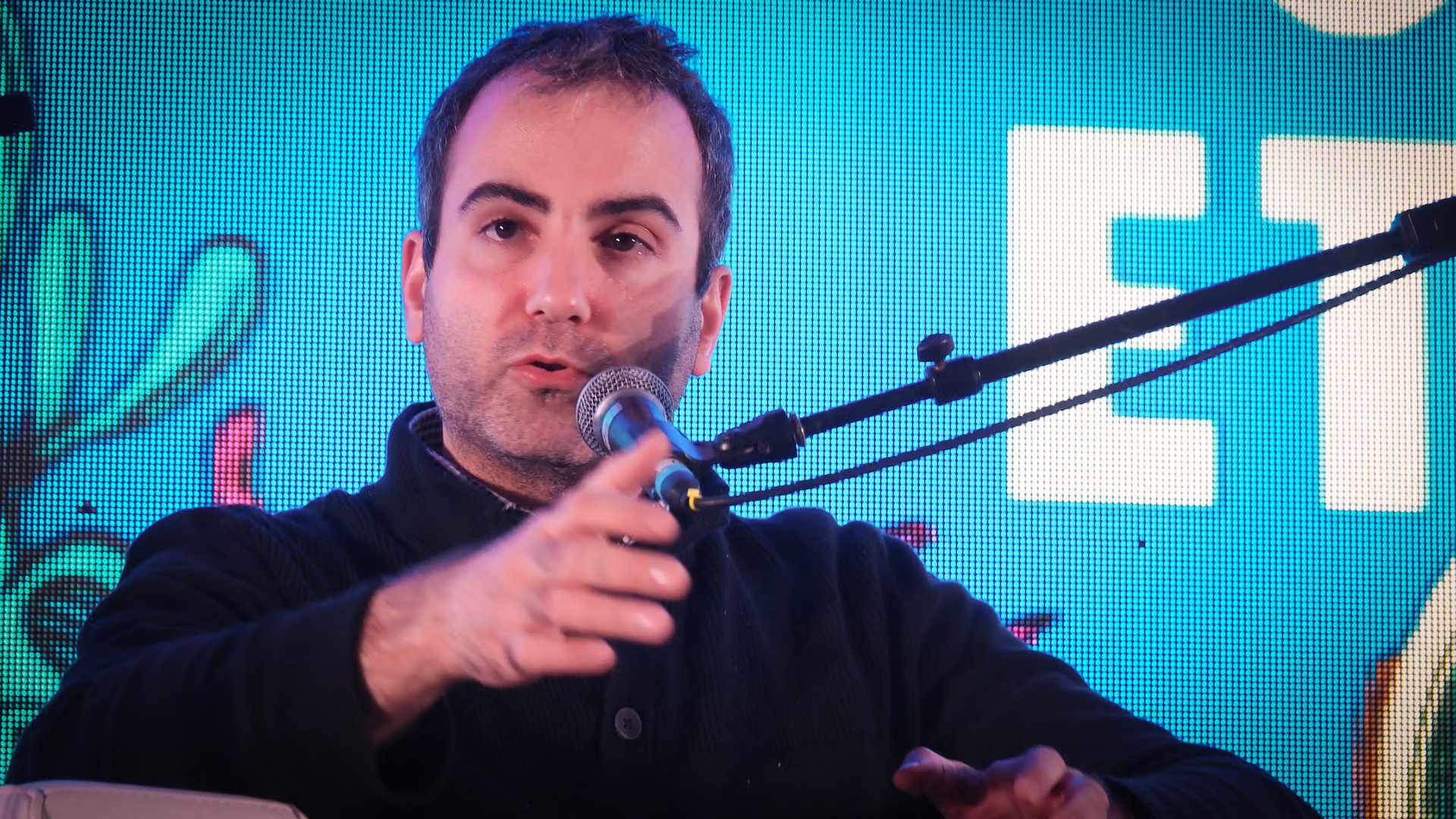
Arbitrum, the person in charge of the foundation's investment strategy, Brendan Ma stated that this model provides a new way for Arbitrum to profit from stablecoin activities on the internet. Currently, there are approximately $3.8 billion in stablecoins on this network, of which Circle's USDC accounts for about 60%, according to DefiLlama data. Arbitrum does not directly share the reserve income generated by these tokens.
Brendan Ma said, "With USDG, Arbitrum, and the developers on the platform, we can now all share the upside potential brought about by growth."
A governance proposal announced on Tuesday requires ArbitrumDAO to list the growth of USDG as a strategic priority, to add 100 million ARB to its DRIP incentive program, and to use treasury assets to support the liquidity of USDG.
This advancement highlights that stablecoin alliances are becoming an increasingly important part of the battle for the digital dollar. Open Standard is building an ecosystem around OpenUSD and has gained support from large payment and commercial companies such as Mastercard, Visa, Stripe, Coinbase, and Shopify. In Europe, Qivalis has received support from 37 banks. The approach is to distribute issuance, distribution, and economic benefits across a wider network of partners, rather than keeping control in the hands of a single company.
Arbitrum itself has also recently regained attention. Its technology provides underlying support for Robinhood Chain, which is a network based on Ethereum that Robinhood plans to launch; Robinhood agrees to share a portion of the revenue generated from user activities with the Arbitrum ecosystem.