

Good morning. Does anyone else think, like me, that the new name Mistral gave to its new AI model is quite interesting?
I can consider myself a fan of it, and that's not just because I have two French Bulldogs; it's also truly worth having such a title.
Ten years ago, we would give names to new consumer technology products; however, the "intelligence era" is not as creative in this regard. But things are changing: OpenAI started adding Latin names to its new models earlier this year (such as Sol, Terra, Luna, etc.), and Anthropic has also preferred to give artistic names to the "configuration settings" of its models since 2024 (such as Fable, Opus, Sonnet, Haiku, etc.).
However, nothing compares to Google's Nano Banana. Give a thumbs up to Naina Raisinghani.
Here are today's technology news. —— Andrew Nusca
Have any ideas? Suggestions? Exclusive tips? Send me a message.
Headline Story
OpenAI Executives say how the military's use of AI "keeps me awake at night"
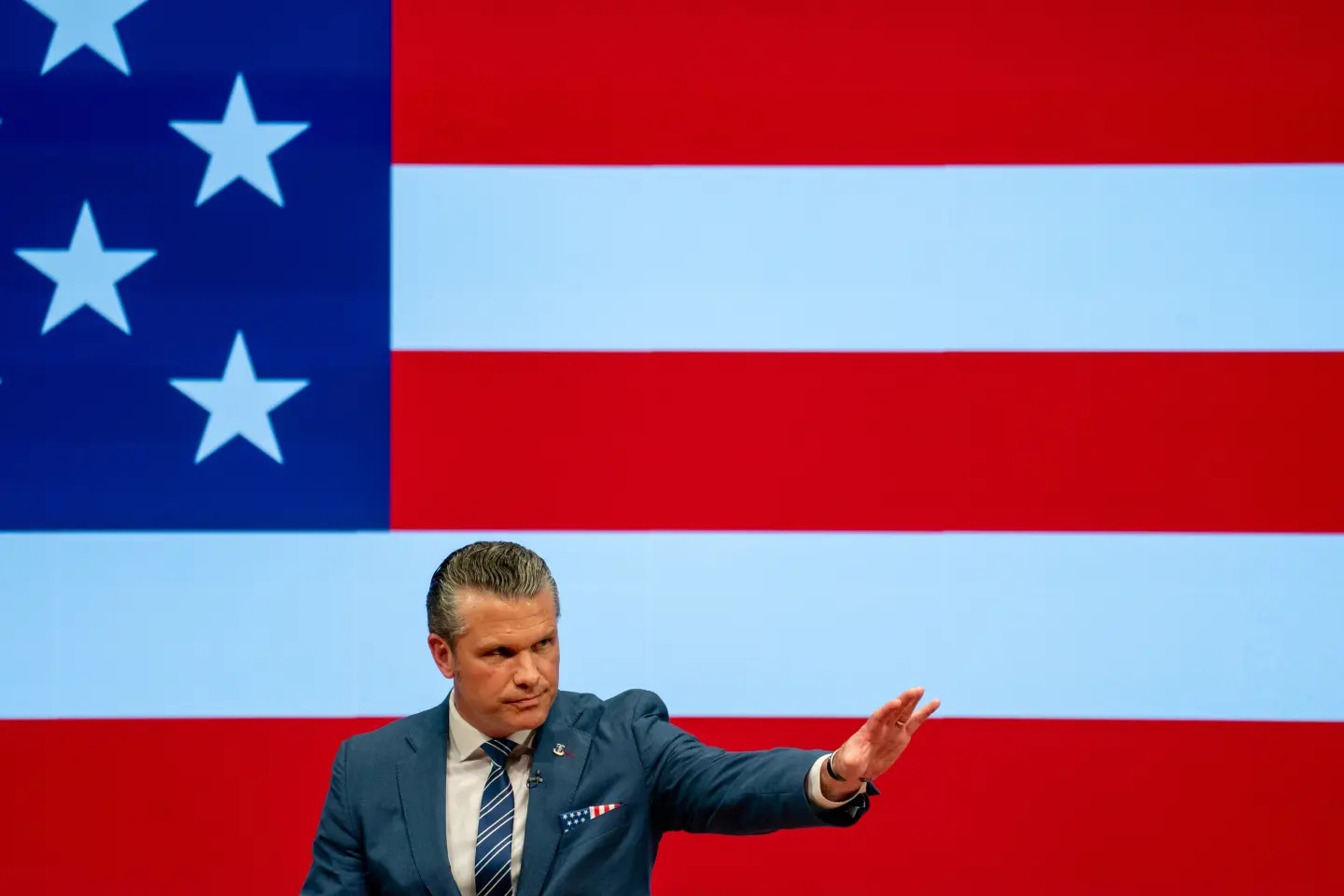
Armed forces around the world are rapidly integrating AI into their combat procedures, and are developing new weapons such as drones and robots, as well as autonomous systems.
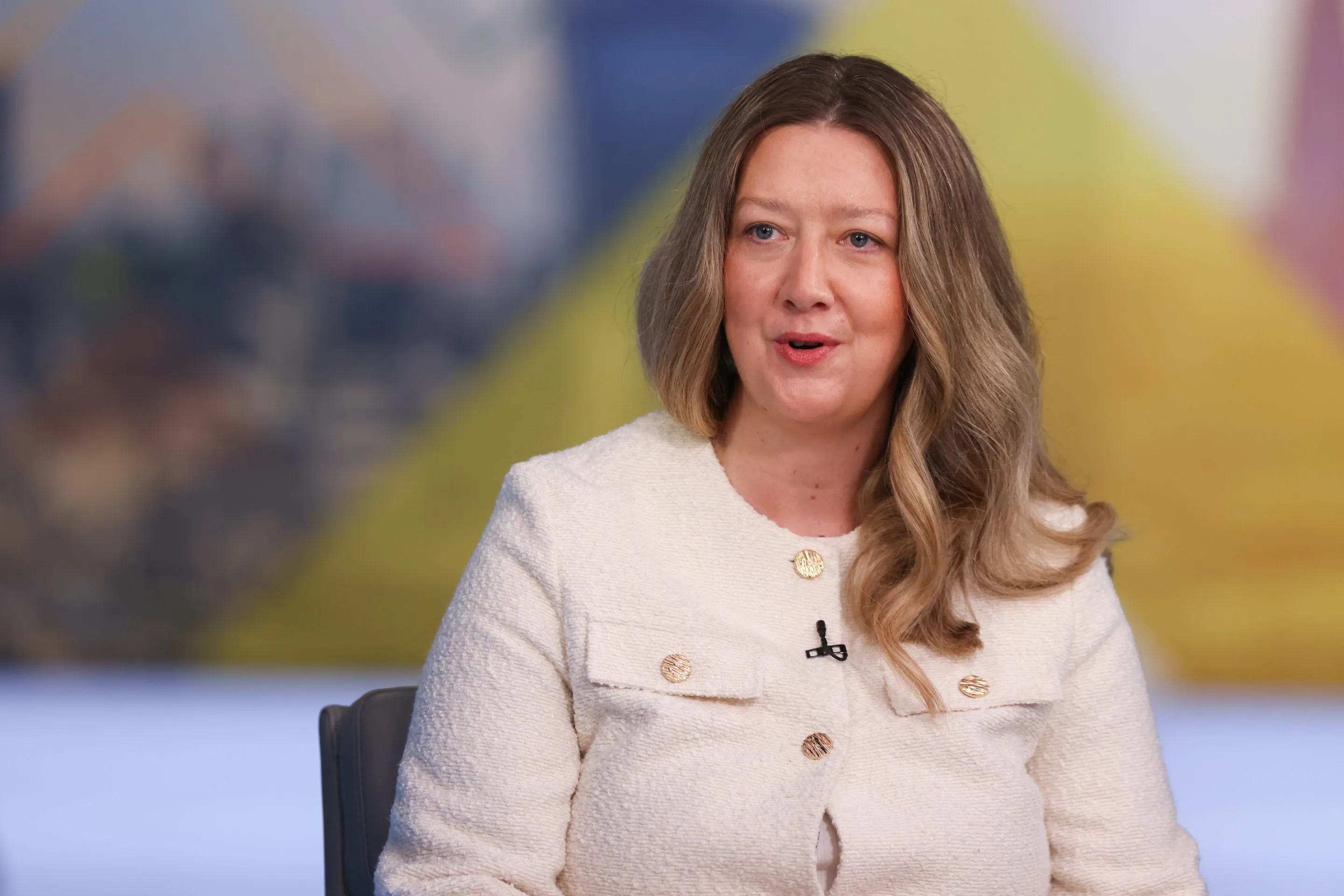
OpenAI, the person in charge of human rights and responsible deployment, Sarah Yager, stated that this makes her feel worried.
"Everyone is very worried, and that worry is justified," Yager said at the ScaleUp : AI meeting held in New York City on Tuesday. "It keeps me awake at night: 'How will the military use AI for target identification? What about autonomous weapons? Where will all this ultimately lead?'
Yager joined OpenAI in June. Now, she has the opportunity to address these thorny issues from within one of the world's most powerful AI companies.
“I’ve always wanted to reach out to some people who may not necessarily consider human rights as their top priority,” said Yager.
Not long after OpenAI signed a contract with the U.S. military at the end of February to deploy an advanced AI system in a confidential environment, the company issued this job offer to Yager. This highly anticipated deal came shortly after the Pentagon publicly fell out with OpenAI's competitor, Anthropic. Anthropic hoped to set certain restrictions on how the military would use its technology; however, defense officials did not agree to these conditions.
Since joining, Yager has achieved some results in influencing technical directions. She is able to collaborate directly with researchers and engineers to improve models, for example, by ensuring that the models respond appropriately to basic international protocols, including the laws of war stipulated in the Geneva Conventions established after World War II in 1949.
However, applications in the real world have proven to be quite challenging. For example, as reported by CNN, earlier this year, the U.S. military nearly generated an intelligence report based on inaccurate AI, mistakenly identifying a Chinese warship as a target for attack.
Yager indicates that AI companies should not 'reinvent the wheel' when it comes to the question of 'what is human nature and morality.' 'Society has already reached a consensus in many areas, and that is human rights. That should be the bottom line,' she said. 'I don't want a AI company to tell me what is good. If we allow this industry to decide what is good, then it will become a chaos.' – Emily Forlini
Blind box
“Unless you’ve done it yourself, you can’t imagine how it works.”
Click here to read the full story.
Overview
- Boston Dynamics hires a new CEO: Former Alexa leader from Amazon, Rohit Prasad.
- Apple has collaborated with LG to launch a range of home products, including doorbells, door locks, and thermostats.
- Have recent bank hacker attacks in South Korea used AI proxies? Officials are attempting to find out.
- Personal Agent Protocol: The AI standards for robot-enterprise interaction, jointly established by Meta, Sierra, Shopify, Stripe, Walmart, and others.
- It is reported that China's DeepSeek is raising $12 billion from companies such as CATL and Tencent.
- FBI Removes an Accenture contractor due to data breach. It is alleged that the data of thousands of employees was compromised.
- Uber will acquire ezCater for $2.3 billion. This transaction is related to Uber Eats, which is aimed at corporate customers.
- Lambda is currently raising funds up to $4 billion. This company, which is about to IPO and has received support from NVIDIA, neocloud, is reportedly valued at over $14 billion.
Closing sentence
Mistral indicates that its new AI model Le Chonk (apologies) was trained from scratch, using 3800 NVIDIA Grace Blackwell GPU. These chips are deployed in data centers located in Mistral in Europe.
These AI chips are clearly just a part of a larger Blackwell GPU order – to be more precise, they are 13,800 pieces of GB300. Mistral announced this order in March of this year and also stated that it had received $830 million (723 million euros) in debt financing.

So, how much did it actually cost to train the model with the official name Mistral Large 4, which is also ML4? Considering that each NVIDIA GB300 NVL72 enterprise rack contains 72 Blackwell chips, and the retail price for different configurations is about 3 million US dollars, this means that the hardware cost for Le Chonk is approximately 160 million US dollars—not to mention the electricity costs. Le Chonk truly lives up to its name.