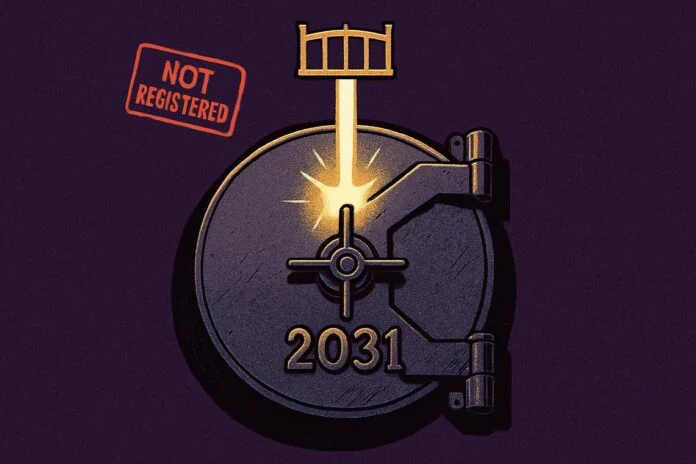


According to the guidelines issued by the European Securities and Markets Authority (ESMA) on October 8, EU crypto platforms are required to deal with unauthorised stablecoins held by customers by January 8, 2027. The EU's regulatory timeline for stablecoins gives companies up to three months to gradually clear related exposures, while also stopping the service of allowing customers to continue buying more affected tokens.
Key Points
- ESMA has set a three-month limit for handling unauthorized stablecoin holdings.
- Neither USDT nor PayPal USD has obtained authorization from MiCA.
- During the gradual exit period, limited exit and custody services are still permitted.
According to CoinDesk, regulatory authorities in various countries must oversee this process and require that the remaining balances be settled as soon as possible. This deadline applies to stablecoin holdings that do not comply with the requirements of the European Union's 'Regulation on Markets in Crypto Assets' (MiCA).
EU sets a three-month enforcement period for stablecoin regulation
The opinion of ESMA sets a maximum period of three months for regulatory authorities around the world to handle customers' remaining positions. This opinion requires authorized crypto asset service providers to cease providing services involving non-compliant stablecoins, except for limited activities necessary for a gradual exit from existing positions.
The regulations regarding stablecoins in MiCA will come into effect from June 2024. Token issuers that target EU users and have their tokens pegged to the US dollar or euro must meet requirements for authorization, reserves, redemption, and information disclosure. ESMA describes the relevant assets as "asset-backed tokens" and "electronic currency tokens."
Regulators stated that allowing non-compliant tokens to remain available on authorized platforms would undermine the reserve, redemption, governance, and disclosure requirements set for authorized issuers.
USDT and PayPal USD have not been authorized by MiCA.
USDT and PayPal USD ( PYUSD ) of Tether are major examples of stablecoins that have not been authorized by MiCA. USDT is the largest stablecoin in terms of market capitalization; PYUSD ranks third.
Crypto Briefing reports that Tether has indicated no intention of seeking a license for electronic currency tokens from the European Union. The report also points out that several large platforms have previously restricted or removed access to USDT for users in the European Economic Area.
Stop buying, but limited exit services will still be available.
Platforms must cease to allow EU customers to buy, trade, exchange, or increase their holdings of affected stablecoins. These guidelines apply not only to exchange trading but also to order execution, transfers, custody, management, investment advice, and portfolio management.
During the gradual exit period, enterprises can provide services required for selling, converting, withdrawing, transferring, or holding existing tokens. However, these permissions do not include buying, promoting, trading, or continuing to provide market availability.
Crypto Briefing also reported that service providers are expected to implement technical, contractual, and organizational safeguards to prevent customers from obtaining non-compliant tokens or increasing their holdings in such tokens.
Regulatory authorities in various countries supervise the remaining balances of customers.
Regulatory authorities in various countries will oversee compliance and decide how each platform should handle customers' remaining positions within a period of three months. Therefore, the regulation of stablecoins in the European Union places the handling of these balances under the supervision of national regulators.
EU users who hold USDT on the exchange must follow the guidelines of their respective platforms. During the phased withdrawal period, some users will be able to sell or withdraw their tokens, while others may encounter a platform deadline earlier; the latest deadline is January 8, 2027.
This article was generated with the assistance of artificial intelligence and has been reviewed by an editorial team.