News from the IT community on October 23: The founder of OpenClaw and a member of the OpenAI technical team, Peter Steinberger, revealed that he spent up to 10 million US dollars last month on work related to AI. At the exchange rate mentioned in the article, this is approximately 66.882 million RMB.
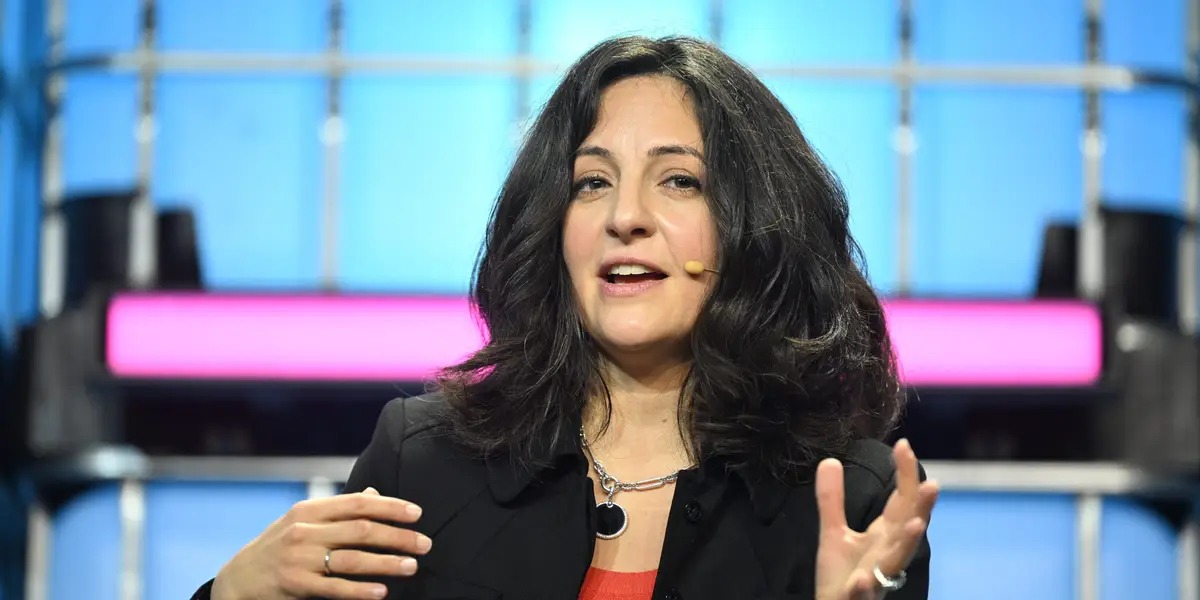
During the Cloudflare Connect 2026 conference held in San Francisco, Steinberger disclosed this figure during a conversation with Dane Knecht, the Chief Technology Officer of Cloudflare. He stated that the related costs would be borne by the investors. Faced with the surprised reactions of the audience, Steinberger added that not all Token expenditures necessarily generate actual value.
Knecht mentioned in the conversation that Steinberger had previously admitted to having an “almost unlimited Token budget”, yet not everyone present had such conditions.

When it comes to the AI Agent infrastructure, Steinberger believes that the existing infrastructure has not yet fully kept up with the development of AI technology. He raised the question of why some workloads still need to run on local computers instead of being completely migrated to the cloud. However, he also pointed out that cloud AI Agent can incur high operating costs, in addition to privacy and compliance issues. He mentioned again that he spent $10 million last month on AI-related work.
The conversation between the two parties also involved the impact of AI generated code on the open-source community. Knecht mentioned that some open-source project maintainers are troubled by a large amount of low-quality AI generated code, and have even stopped accepting external pull requests (Pull Request, PR), and asked Steinberger whether this current trend means that open source is on the decline, or whether it is entering a new stage of development.
Steinberger believes that the way of submitting code needs to change. Contributors should not only submit the final code but also explain how they derived the solution from the problem. He stated that if one could see the thought process of the contributor from the starting point to the final result, there would be a greater level of trust in the output, rather than just receiving a finished code without any explanation.
Regarding the future popularity of AI Agent, Knecht asked whether people will be able to run hundreds of AI Agent simultaneously in a few years. Steinberger holds a reserved attitude towards this. He predicts that in the future, everyone may have some kind of intelligent assistant that can run throughout the day, continuously think, and provide assistance, and may even be able to predict in advance what users might need, so that users can get the corresponding answers without having to ask questions actively.
At the end of the discussion, both parties talked about the trust and permission management issues related to AI Agent, including what data users should provide to Agent and how to restrict their access rights. Steinberger stated that this largely depends on the level of trust users have in the underlying model, as the behavior of the model is not entirely constrained by external control code (Harness). He also pointed out that as the model's capabilities improve, some of the mechanisms he designed earlier for OpenClaw may also need to be adjusted.
Regarding security risks such as prompt injection ( Prompt Injection ), Steinberger believes that even if engineering measures can reduce these risks, users should not grant all permissions to Agent as a result. He proposes that a Agent could be designated to specifically approve the permissions of another Agent, and then through negotiations among multiple Agent, it could be determined whether a certain operation is necessary or whether an alternative solution that complies better with security restrictions can be found.