Apollo has been making its way in the higher-end segment of the electric scooter market over the past few years. Now, the company is trying a different approach: launching the cheapest model to date, aiming at the mass market.
The recommended retail price for this new vehicle, Apollo Dash, is $699, but as part of the company's Black Friday promotional campaign that lasts until November 30th, the list price is $599. More importantly, Apollo indicates that Dash is not just a simply scaled-down, low-priced scooter; rather, the goal is to bring a significant portion of its existing technology to a lower price point.
This scooter features a 48V electrical system and is equipped with a Bosch motor with a rated power of 600W and a peak power of 1,200W, allowing for a top speed of 20 miles per hour (32 kilometers per hour). Its 480Wh battery can provide a range of up to 25 miles (40 kilometers) in Eco mode.
Apollo It is also mentioned that the 48V architecture prevents the motor power from being limited to too low a level when the battery charge decreases. This means that riders should not experience a noticeable slowdown in performance as the battery nears depletion, as is the case with some low-cost scooters.
Dash Weighs 43 pounds (19.5 kilograms), which is fairly portable, but to reduce both the weight and the price comes at an important compromise: it doesn't have a suspension system. Apollo Also sets a maximum rider weight of 220 pounds (100 kilograms) and recommends that users who weigh more or often ride on bumpy roads and slopes choose the more expensive Apollo Go.
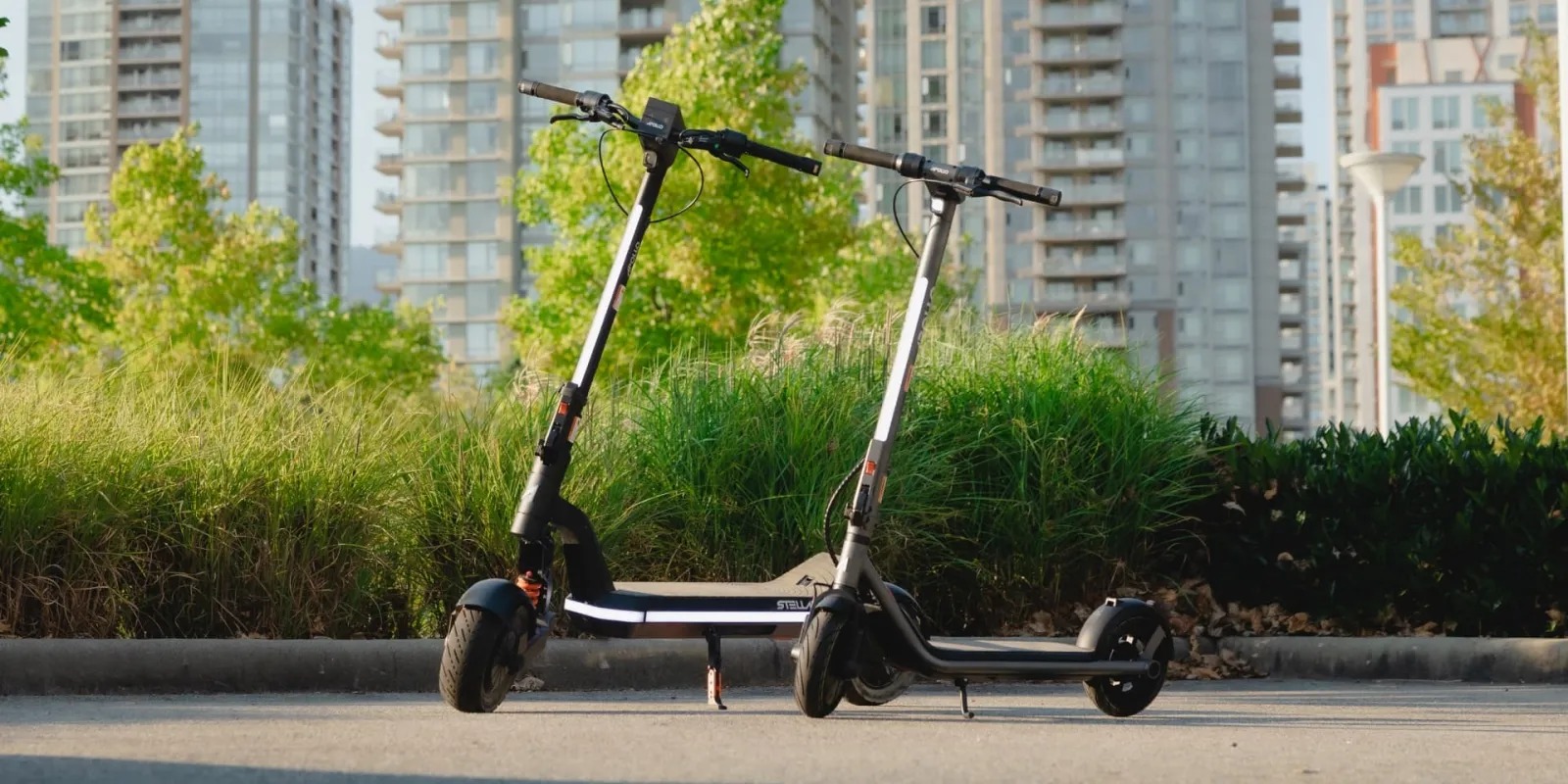
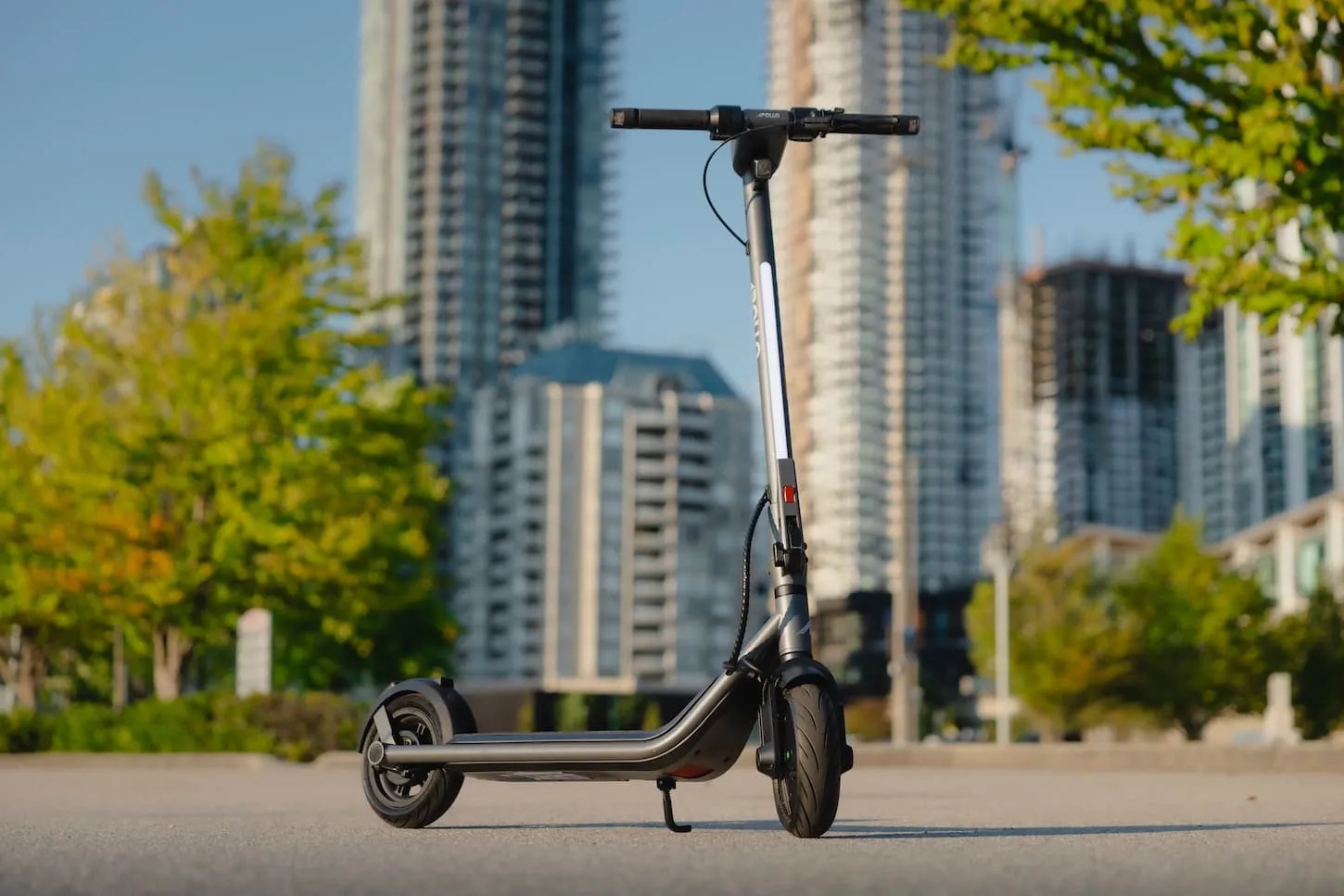
Despite the lower price, Dash is still equipped with a quite long list of features, including IP66 waterproof, self-repairing tubeless tires, regenerative braking, built-in turn signals, Apollo Beam pole lights, NFC unlocking, Apple Find My integration, as well as connectivity with Apollo smartphone apps.
Apollo indicates that before the mass-produced models were shipped, the durability of the frames was tested over a distance of 10,000 kilometers (6,200 miles). A Beta test project also completed a total of 144 rides, covering a distance of 1,002 miles, during which no tire blowouts or maintenance issues were reported. According to Apollo, the Beta test riders averaged 19 miles (30 kilometers) per ride, and at the end of the tests, there was still 29% battery remaining.
However, perhaps the more significant aspect is the positioning of Apollo relative to Dash. The company stated that 52% of its customers previously owned scooters from brands such as Segway, NIU, and Xiaomi, but in the past, upgrading to Apollo usually meant having to overcome a price barrier of over $1,000.
At a price of $599, Dash is clearly intended to allow these users to enter the Apollo ecosystem earlier, while also enabling the company to compete directly with scooters in the mass market that were previously priced at a higher range.
FTC: We use automated affiliate links that can generate income. For more information.