AI Infrastructure Company CoreWeave is responding to the policy shift in Texas, actively seeking to engage in dialogue with the new governor.
According to a report by Bloomberg on November 8th, CoreWeave co-founder and CEO Michael Intrator wrote to the newly elected Governor of Texas, Gina Hinojosa, expressing his welcome to collaborate with her transition team on the "responsible advancement of approved projects" as well as "clear and sustainable standards for future development." Hinojosa is the first Democrat to serve as Governor of Texas in over 30 years, and one of her key campaign promises was to impose a moratorium on new data center approvals. She has publicly stated that she will not lift this freeze until the relevant protective legislation is in place.
The context in which this letter was sent is the change in the political landscape following the U.S. mid-term elections. The Democratic Party won gubernatorial elections in several states and generally campaigned on a platform of stricter data center regulation. According to previous forecasts by Goldman Sachs, Democratic victories in these states would result in a temporary suspension of data center expansion plans for about 45% of U.S. data centers, with Texas accounting for approximately 25% of this figure alone. Approximately 13GW of data center capacity in Texas is directly exposed to policy risks.
CoreWeave Expresses Support for Regulatory Principles
It is reported that in this open letter, Michael Intrator stated that CoreWeave "strongly supports" Hinojosa's principle stance that the growth of data centers must benefit the people of Texas.
"We welcome to collaborate with your transition team to responsibly advance the approved projects and to establish clear and sustainable standards for future development," he stated.
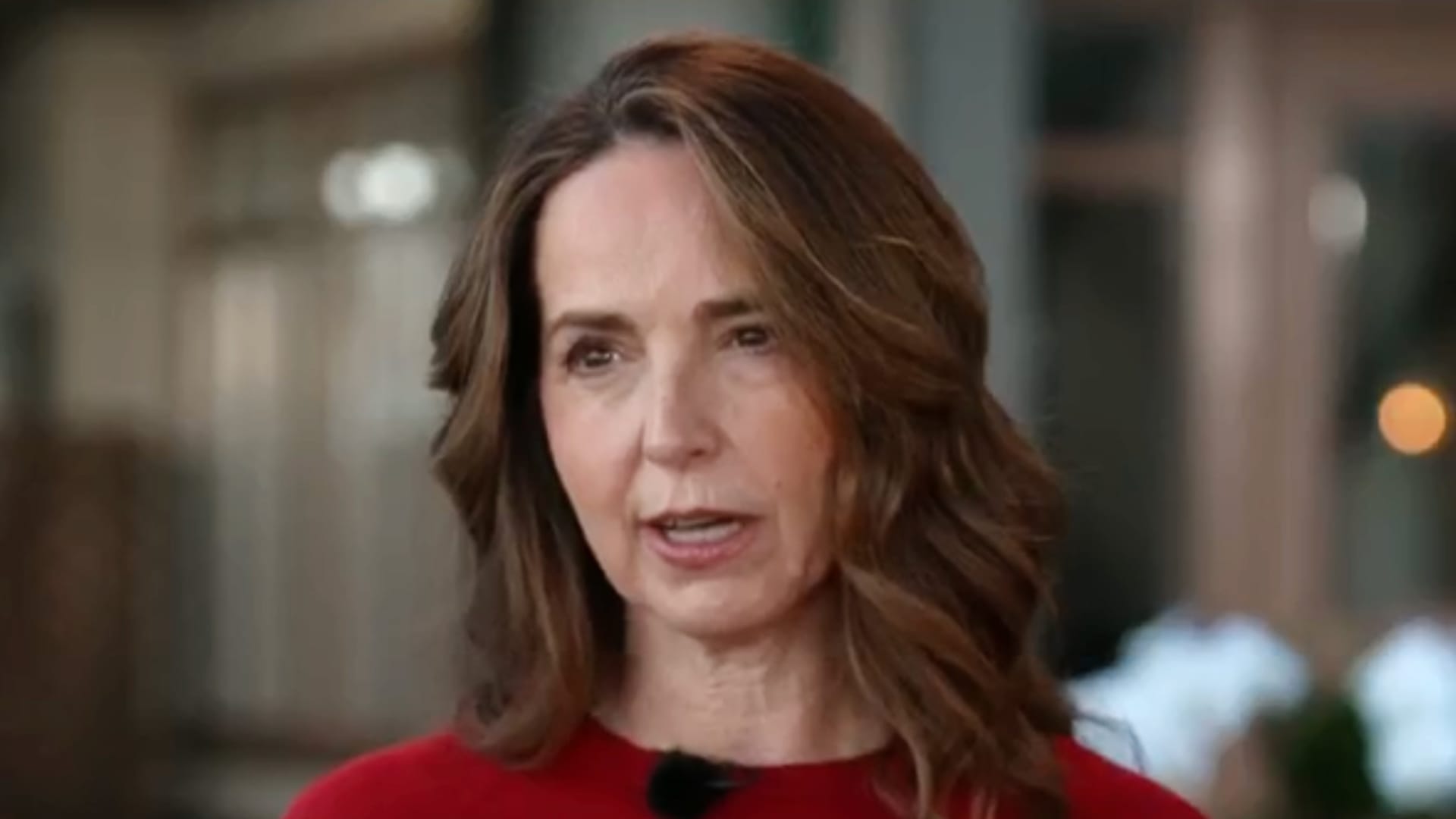
After being selected, Hinojosa elaborated on his governance philosophy during an interview with CNN.
Texas has always been a pro-business state, but with my appointment as governor, the change is that it must now be a partnership that benefits the people of Texas.
CoreWeave responded positively to the aforementioned stance in the letter, and Michael Intrator stated:
"You have clearly stated that the growth of data centers must be beneficial to the state of Texas, and we strongly support these principles."
According to an article from Wall Street Journal, Hinojosa stated clearly during an interview with CNN on November 6th local time: "We will enact laws to protect the residents of Texas, and until these protective measures are in place, we need to suspend all related work regarding data centers." She also added, "It's not that I hate data centers per se; I hate the way they exploit Texas. This situation will come to an end when I am governor."
When asked how to deal with tech giants, Hinojosa stated that it is possible to establish a cooperative relationship with Musk and his company, "but it must be on our terms." This statement sets her negotiation bottom line: Texas does not reject tech investment, but it does not accept the previous model where developers took the lead and the government cooperated.
NBC Exit polls show that 75% of Texas voters oppose the construction of new data centers in their communities. Hinojosa During the campaign, he accused the data center developers of "raising our electricity costs and depleting our water resources," and defeated the current Republican governor with a vote ratio of about 52.8% to 45.7%. Abbott
The suspension order is linked to the legislative process, so the thawing will not occur until at least May next year.
An article from Wall Street Journal wrote that the stance of Hinojosa actually links the timeline for unfreezing data centers with the legislative process. Goldman Sachs analyst Jonathan Leitol has previously confirmed that she "will not lift the freeze until more comprehensive regulatory laws are passed."
The 90th Texas Legislative Session is scheduled to convene on January 12, 2027, with the regular session concluding on May 31, 2027. This means that the freeze on data center approvals is not likely to be lifted until the end of May next year at the earliest.
GLJ Research It is estimated that approximately 13GW of data center capacity in Texas is directly exposed to policy risks, which is sufficient to power about 10 million households. Wells Fargo has calculated that a 10% reduction in Texas' data centers would have an impact of about 1.6% on the AI capital expenditure across the United States.
According to Bloomberg New Energy Finance (BNEF), with an estimated revenue of about $1.76 billion per GW for each AI unit, if the deployment of 13GW is delayed by 12 to 18 months, the postponed AI revenue would be in the range of $275 billion to $410 billion.
For AI Infrastructure Company, the uncertainty of Texas' policy direction directly affects its expansion pace and capital planning. CoreWeave's proactive letter is precisely in this context, seeking certainty at the policy level.
Texas becomes a "model"; the wave of tighter regulations may spread to multiple states
According to the results of the mid-term elections, the Democratic Party currently controls 29 governorships across the United States. Many of these governors are calling for a suspension of data center construction in their respective jurisdictions in response to the widespread dissatisfaction among voters with the rapid expansion of AI's infrastructure.
An article from Wall Street Journal wrote that Wolfe Research analysts have categorized Texas as a "model state for the anti-AI construction movement." The newly elected Democratic governors of states such as Georgia, Ohio, and Michigan have campaigned on stricter regulations for data centers, and JPMorgan Chase expects that "anti-data center actions will continue to spread to the legislatures of multiple states in 2027."
Hinojosa will officially take office in January 2027. Before that, whether infrastructure companies such as CoreWeave and AI can secure a clearer policy framework through negotiations will be a focal point of continuous market attention.