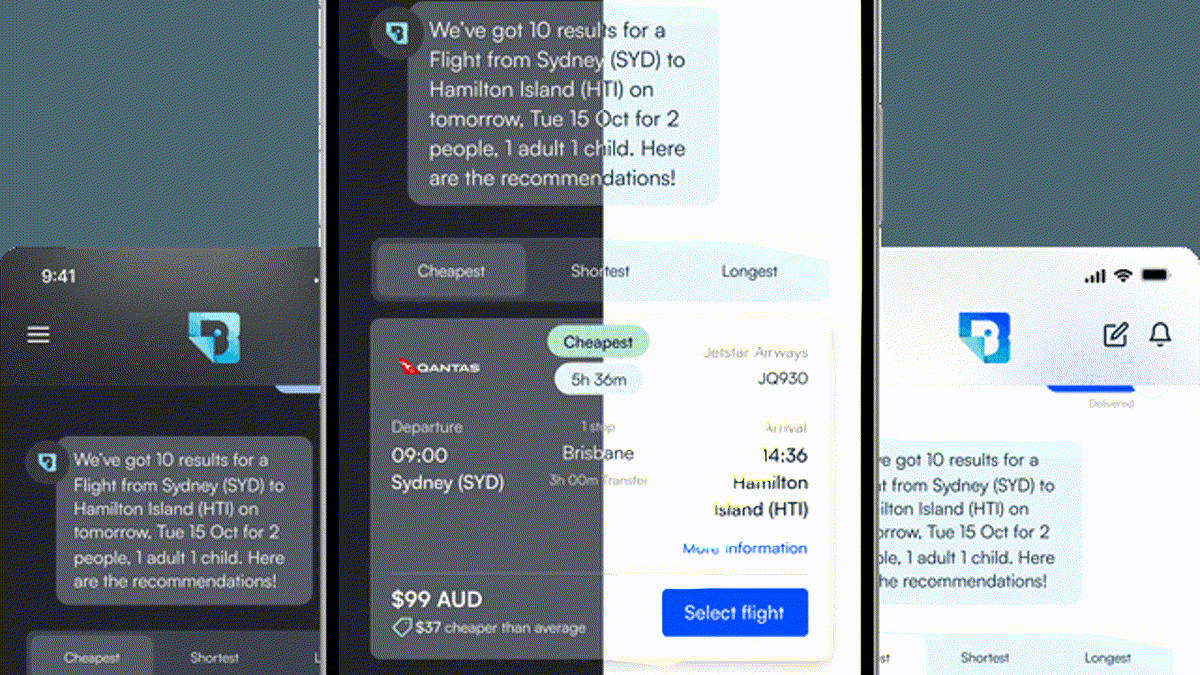


A simple request like "Help me order coffee for breakfast" used to mean opening an app, selecting a store, choosing the options, confirming the address, and making a payment. On November 10th, with the release of the monthly update Pixel, this process has begun to change. Now, with Gemini Intelligence (10 devices), users can handle multiple tasks such as grocery shopping, hailing a car, ordering food, and finding restaurants for reservations. The voice input feature Rambler will remove filler words like "um" and organize the user's speech. Additionally, the phone will proactively suggest sharing the estimated arrival time or help in finding a restaurant based on the content of the message.
This set of features doesn't just keep AI within the chat box. It begins to process the current task, invokes multiple services, and presents suggestions right at the moment when the user is ready to take action. The improvement in experience is quite noticeable: fewer app switches, less need to repeatedly enter addresses and preferences. However, as the model moves from "tell me what to do" to "do it for me step by step," the visibility of each step and the ability to undo those steps become more important than whether the responses are smooth or not.
After the voice is polished, whose words will actually be spoken?
Rambler deals with very minor actions: people speak naturally, the system removes oral pauses and re-formats the text, and then users review and send it again. It may seem to have a lower risk than placing orders on behalf of others, but it touches on a common boundary—tools can improve expression, but they cannot quietly change commitments, tone, or facts. Google retains " review and send " in its description, which means that the final sending is still subject to user confirmation.
This type of design is worth extending to more complex proxy tasks. When hailing a car, the model can recommend vehicle models and boarding points; when ordering food, it can organize the menu and common preferences; when it comes to prices, allergens, addresses, or payment, the interface should re-display the key fields. The stronger the automation, the less the confirmation page can just be a vague "Continue." Users need to know what the system has chosen, why it has chosen it, how much it will cost, and whether they can still cancel after pressing the button.
The proactive suggestion of Pixel also moves the judgment of AI from after the request to before the request. When someone asks "When will you arrive?", the phone suggests sharing the estimated arrival time with one click, which can save the need for additional actions; however, location, contact relationships, and the current context can all be sensitive matters. A good proactive feature should allow suggestions to be easily ignored, and the sharing targets and the scope of data shared should be clearly displayed. If such suggestions pop up frequently just to increase adoption rates, the convenience can turn into a cost in terms of attention and privacy.
Behind the feature list are strict requirements regarding devices and regions.
The update notes provide different availability ranges. Gemini Intelligence requires Pixel Series 10 devices or newer, Gemini applications, and specific setup procedures, and is also subject to national, language, and age restrictions; the multi-step task has been extended to Japan, the UK, and India this round. The Pixel Series 11 Call Screen upgrade is only available in the United States. New summaries for long conversations are available in German, French, Spanish, Italian, Hindi, and Traditional Chinese, while other features have different model-specific requirements.
This ensures that the statement "already launched" cannot be misconstrued as all Pixel users receiving the same set of capabilities simultaneously. A phased rollout helps to control service quality and manage regulatory differences, but it may also result in users seeing varying outcomes within the same brand and system version. The product team needs to clearly display availability on devices, rather than hiding regional restrictions in the footnotes of announcements. For enterprise-managed phones, administrators also need to be aware of which functions have access to messages, calendars, location data, and third-party applications.
Google also introduces custom widgets, conversation summaries, and a more natural screening system for unknown calls. All these elements point in one direction: the mobile phone interface will no longer be solely composed of fixed application entrances. The system will generate interfaces, summaries, and next steps based on context. Applications will still provide transactions and content, but the points of operation are gradually moving up to the system level. Whoever controls the suggestions, sorting, and confirmations is one step closer to the user's final choice.
What's at stake in the system-level intelligence competition is the final confirmation.
In the past, mobile phone manufacturers were primarily responsible for determining notifications, permissions, and default applications; once an intelligent entity enters the system, it also decides when to initiate actions, how to present options, and what to fill in by default. Application developers may have a shorter conversion path, but they may also lose the opportunity to directly explain the product to users. If restaurants, travel services, and retail businesses only have one interface that is called by the model, they need to ensure that prices, inventory, cancellation policies, and safety warnings do not disappear in the summaries.
For users, the most reliable convenience is not full automation, but rather compressing cumbersome steps while maintaining clear control over critical decisions. Rambler First, have others review the process; when hailing a car or placing an order, the amount, the recipient, and irreversible actions should be prominently displayed. Pixel What this update truly advances is the system's ability to handle multiple interfaces on behalf of users; what will determine its reliability in the future is its ability to fully return the decision-making power to the user at the moment closest to payment, sharing, and delivery.