





New progress has been made in negotiations in the U.S. Senate regarding the Cryptocurrency Market Structure Act. Republicans have released a new version of the Clarity Act, stating that this is the final proposal submitted to Democrats. Driven by this news, Bitcoin, Ethereum, and XRP saw gains, and the market re-evaluated the possibility of the bill being passed within the year.
More amendments have been added to the new version of the bill.
This new version of the bill, which is 635 pages long, was released later on Sunday evening. Reports indicate that the text incorporates government ethics provisions supported by the White House, as well as several amendments that the Democratic Party had previously requested.
According to Polit token issuance journalist Eleanor Mueller, approximately 80% of the content from the ethical proposals pushed by Senator Thom Tillis and Ruben Gallego has been incorporated into the new version of the text. Senator Cynthia Lummis stated that the revised bill includes over 120 demands from the Democratic Party.
Tuesday's vote becomes the next focus
However, the bill has not yet secured enough votes to proceed to the next stage. The U.S. Senate plans to hold a procedural vote on Tuesday, which will be the most critical point to watch in the short term.
Previously, some Democratic senators had been in negotiations with the Republican side for several months regarding government ethics, stablecoin provisions, and other matters. Whether the new version of the text can gain more cross-party support will directly affect whether the bill can continue to move forward.
BTC, ETH and XRP on the rise
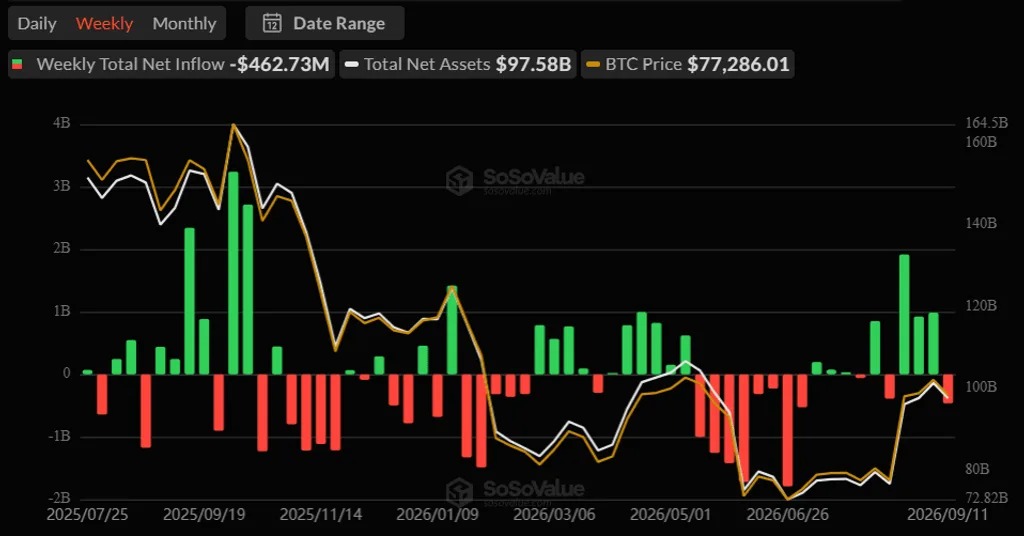
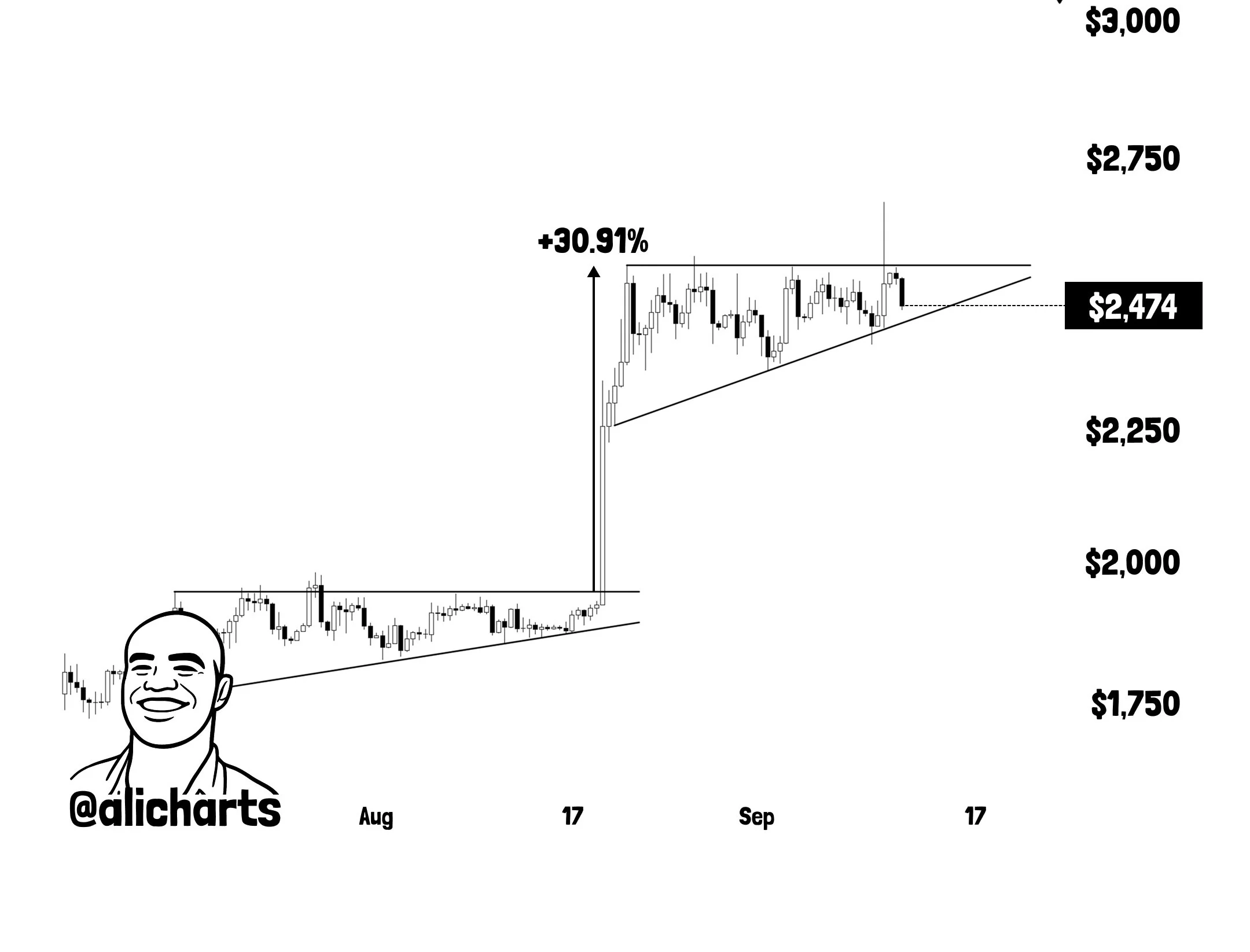
The market reacted positively to the legislative progress. At the time of the report, Bitcoin returned to around $77,700; Ethereum rebounded to the $2,500 range; XRP also saw a recovery from its previous weak trend.
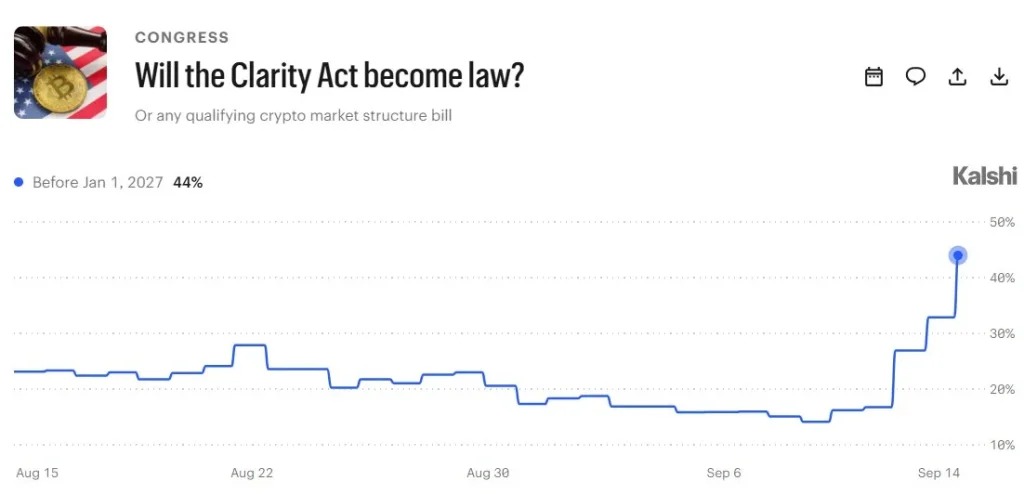
Polymarket Data shows that market expectations for the approval of Clarity Act this year have risen to over 30%. If the voting on Tuesday releases clearer signals of progress, market expectations for the US crypto regulatory framework may continue to heat up.